What Is the Best Time of Year to Buy a Car
Car buying has a season, but what matters most is why dealers want to sell at that moment.
Late in the year, and late in the month, tends to work in your favor
Dealers face pressure to clear out older inventory before new model years arrive, and they face pressure to hit sales targets before each month closes. Both of those line up most strongly toward the end of the calendar year, which is why that stretch gets mentioned so often.
That said, this is about leverage, not a guarantee. A dealer with a car sitting on the lot too long wants to move it regardless of the date. The calendar helps you predict when that pressure is highest, but it doesn't replace knowing what a fair price looks like for the specific car you want.
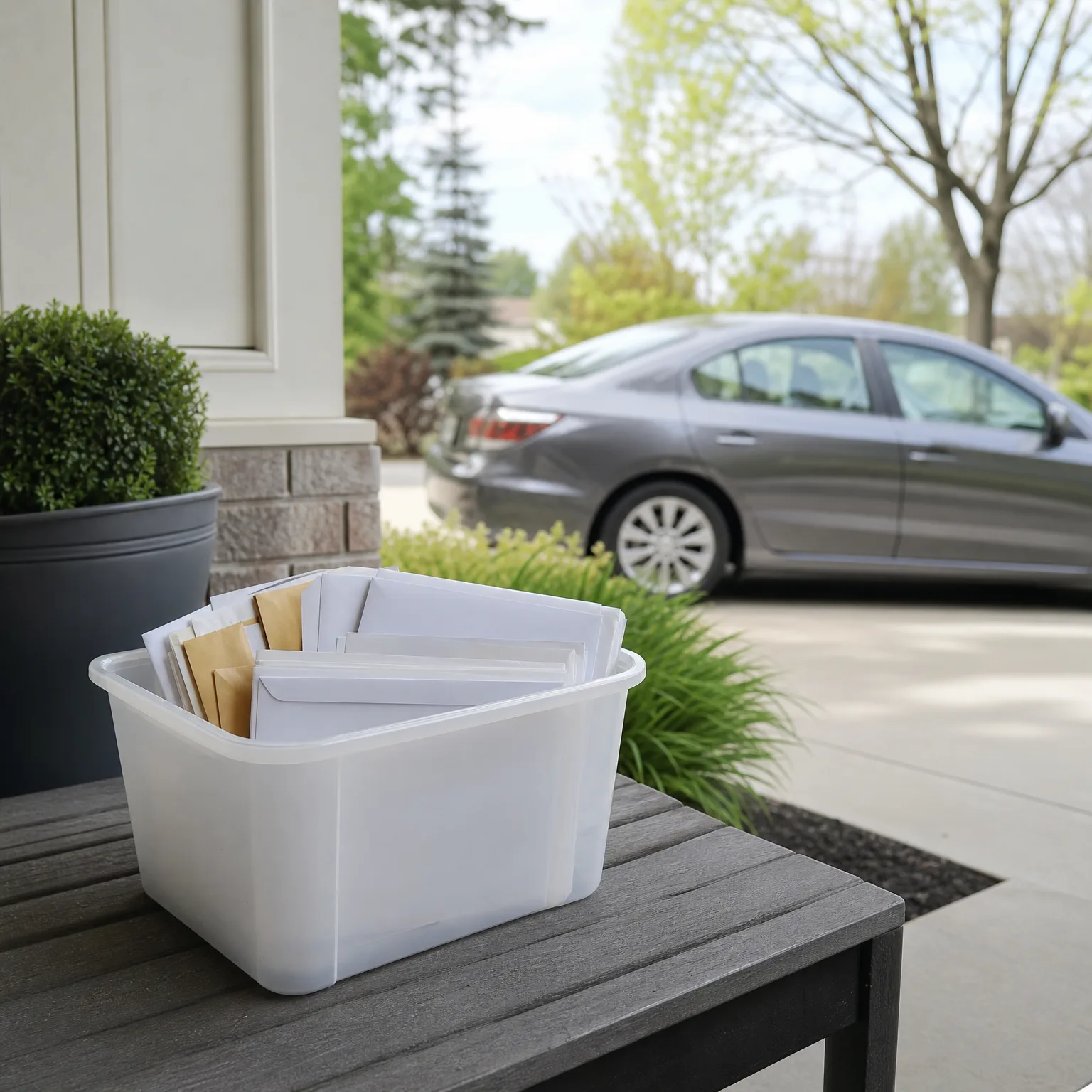
What matters more than the month is why the dealer wants to sell right now
A car that's been on the lot for a while costs the dealer money every day it sits there. That cost pushes them toward a deal faster than any date on a calendar does. If you can find out roughly how long a specific car has been in stock, you'll often learn more than you would from just picking a popular buying month.
Model-year changeovers matter for the same reason. When a new model year arrives, the outgoing version becomes harder to sell at full price, so dealers discount it to make room. That timing varies by brand and sometimes by region, so the exact month shifts depending on the manufacturer's release schedule.
End-of-month and end-of-quarter timing works similarly. Salespeople and dealerships often have targets tied to those dates, and a sale that helps them hit a number can mean more room to negotiate. None of this is fixed or posted anywhere. It's a pattern buyers have noticed over time, not a rule any dealer will confirm outright.
Your insurance cost depends on the car, not the date you bought it
Once you've settled on timing for the purchase itself, the car you choose affects what you'll pay to insure it, and that has nothing to do with the month. The model, its safety record, how expensive it is to repair, and how often it's stolen all factor into your premium.
It helps to get an insurance estimate before you finalize a purchase, especially if you're choosing between a couple of similar vehicles. Two cars priced close together can carry noticeably different insurance costs depending on their repair history and parts availability.
If you're financing, your lender will likely require a certain level of coverage, which can also affect what you end up paying. Ask the dealer or your lender directly what coverage they'll require before you sign anything, so there are no surprises once you're ready to insure the car.
Questions people ask about this
Is it better to buy a car at the end of the month or the end of the year?
Both carry their own kind of pressure on the dealer, and they can overlap. End of year combines monthly, quarterly, and annual sales targets along with pressure to clear out the outgoing model year, so it often brings together more reasons for a dealer to deal than end of month alone does.
Does buying a car in a certain season affect my insurance rate?
The timing of your purchase doesn't affect your rate, but the car you choose does. Insurers look at the vehicle's make, model, and history, not when you bought it, so the better question is which car fits your budget once insurance is factored in.
Should I wait for a holiday sale to buy a car?
Holiday sales events are often timed around the same end-of-year pressures dealers already face, so they can line up with good deals, but the advertised event itself isn't what gets you the price. It's still worth comparing the actual offer against what the car would cost on an ordinary weekend.
Do new model year releases always mean discounts on the older model?
Usually, but how much of a discount depends on how much demand there still is for the outgoing model. A popular model that's still selling well may not drop much in price even after the new year arrives, while a slower-selling model often sees bigger cuts.
Can I get a better deal buying a car at the start of the month instead?
It's less common, but not impossible if a dealer is behind on a target from the previous month or has specific inventory they need to move right away. Asking directly how their current sales numbers are looking can tell you more than guessing based on the date.
Once you know which car you want, see what it would actually cost to insure before you commit.

Decide on the car or short list of cars you're considering before you start shopping for timing. Call around or check online for how long specific vehicles have been sitting on a lot, since that tells you more than the calendar does. If you're buying near a model-year changeover, ask the dealer directly whether the new version has arrived yet, since that's when the outgoing model usually gets marked down. Get an insurance estimate for each car on your list so price comparisons between vehicles reflect the full cost, not just the sticker price. If you're financing, ask your lender what coverage they require so you can factor that into your budget before you negotiate. Bring that information with you when you talk numbers, since it gives you a clearer sense of where there's room to negotiate.