Gap Insurance on a Financed Used Car
Gap insurance pays the difference between what your car is worth and what you still owe the lender if the car is totaled or stolen and never recovered.
What gap insurance pays for
Covers
- The loan balance gap If the payout from your regular coverage is less than what you owe on the loan, this pays the rest so the loan is closed out.
- Total loss only It only applies when the car is declared a total loss or stolen and not found, not for repairs after a fender bender.
- Remaining payments It covers what's left on the financed amount, not a refund of payments you've already made.
- Both financed and leased cars Though it's often discussed for leases, it works the same way on an ordinary auto loan for a used car.
- Interest and fees sometimes Depending on how the policy is written, it may also cover a portion of accrued interest or a small early payoff penalty rolled into the loan.
Doesn't cover
- Your deductible Most gap policies don't cover the deductible you owe on your collision or comprehensive coverage, so you still pay that part yourself.
- Mechanical repairs This isn't a repair or warranty coverage, it only comes into play after a total loss payout falls short of the loan balance.
- A car you own outright If there's no loan or lease on the car, there's no gap to fill, so this coverage has nothing to do.
- Upgrades or aftermarket parts Custom wheels, stereo upgrades or other additions usually aren't counted in the car's value, so gap won't cover their loss.
- A payout above the loan balance It never pays you more than what you owe, so it won't hand you extra cash beyond closing the loan.
Usually not worth it once the loan is small or the car is paid off
The whole point of this coverage is to protect against owing more than the car is worth. Once your loan balance drops below the car's value, which happens naturally as you pay it down, there's no gap left to cover and the coverage has nothing to do.
If you made a large down payment or you're several years into the loan, you may already be past the point where this matters. Check your current loan balance against what the car would sell for today, not what you paid for it.
If you could comfortably cover the difference from savings without it changing your life, that's another reason to let it go. Gap insurance exists mainly for people who'd be in real financial trouble if they had to keep paying on a loan for a car that no longer exists.
How much you drive and where the car sits overnight don't really change this math. Those affect how likely you are to have a claim at all, not whether gap insurance would help once you do. The decision mostly comes down to the loan and the car's value, not your habits behind the wheel.
How a gap claim actually plays out
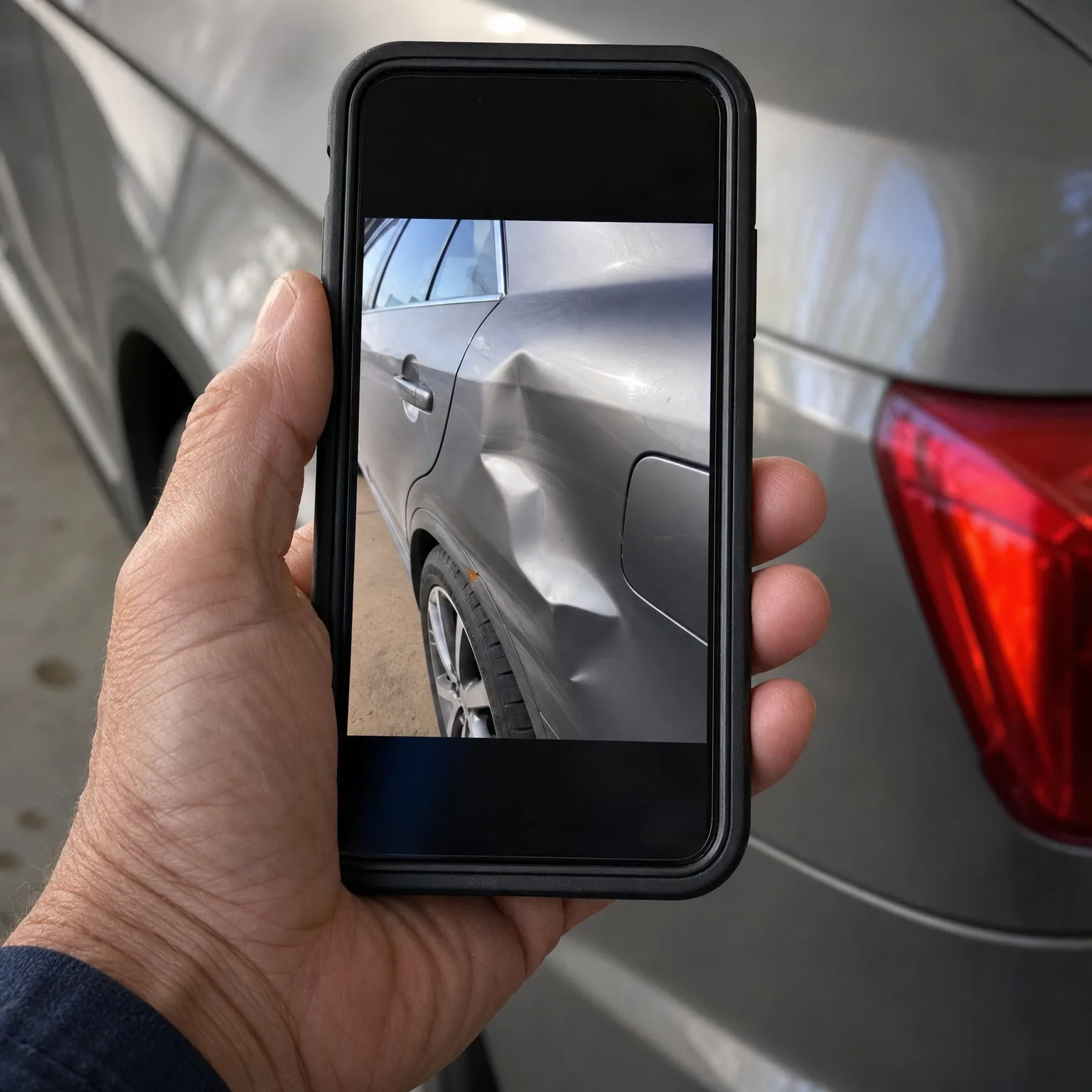
A gap claim only starts after your collision or comprehensive coverage has already settled the total loss. That settlement is based on the car's value right before the loss, and you're still responsible for your deductible on that part. Gap steps in after that payout to cover what's left on the loan, if anything is left.
To file, you'll typically need the payout statement from the first claim, your loan or financing agreement, and a current loan payoff statement from your lender. The insurer compares the loan payoff amount to what was already paid out and covers the difference, up to what the policy allows.
It usually takes some back and forth with the lender to get a clean payoff figure, since interest keeps accruing until the loan is actually closed. Keep your loan documents somewhere you can find them quickly, since digging for paperwork is the main thing that slows this down.
Once the gap payment is made, the loan is closed and you walk away without a car and without a remaining balance. There's no payment to you directly in most cases, since the money goes straight to settle the loan.
Gap insurance compared to new car replacement coverage
Gap Insurance
Gap insurance fills the space between a car's value and what's left on the loan after a total loss. It's tied to your financing, not the car's age, and it disappears in usefulness once the loan is paid down enough.
New Car Replacement Coverage
This coverage, offered on some policies for newer cars, pays to replace a totaled car with a brand new equivalent model rather than paying out its depreciated value. It usually only applies for a limited time after the car was purchased, and it isn't tied to a loan at all.
If your car is paid off or nearly so, gap has little left to offer, while someone who just financed a used car with a thin down payment is exactly who gap is meant for.
Real situations
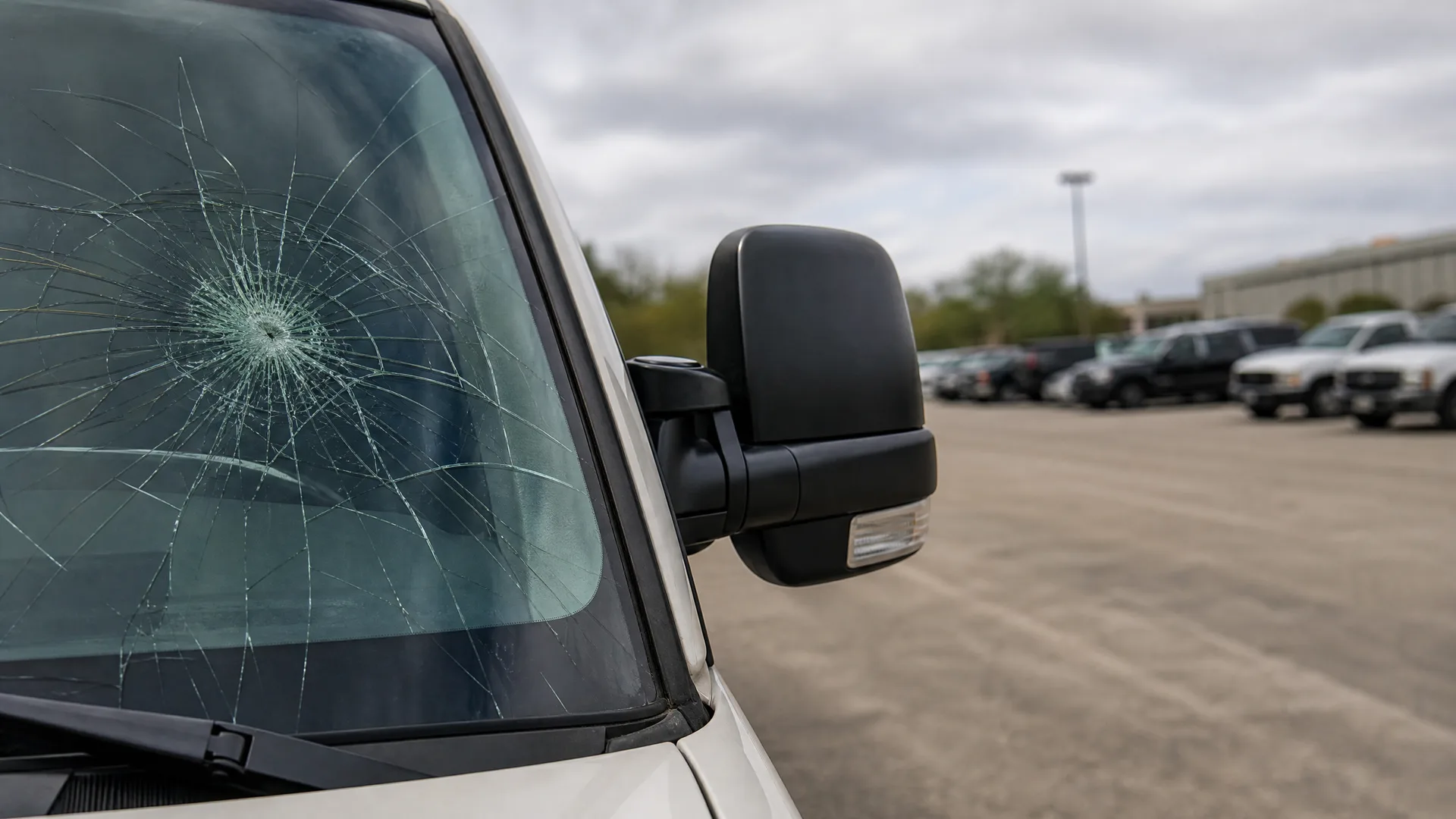
A hailstorm tears through the parking lot during Sunday service and your two-year-old financed used car is damaged badly enough to be declared a total loss.
Gap pays if the insurance payout for the car's value is less than what you still owe on the loan.
A deer crosses a county road at dusk and your car is totaled, but you made a large down payment and have been paying the loan down for years.
Gap likely pays nothing here because your loan balance may already be below the car's value.
Your car is keyed in a shopping center lot, leaving a long scratch down the side panel.
Gap doesn't apply at all since this is a repair situation, not a total loss.
Now that you know whether your loan and car value still leave a gap worth insuring, compare quotes with that answer in hand.
Questions people ask about this
Can I cancel gap insurance after I buy it?
Yes, you can usually cancel it at any point once you no longer need it. Check whether it was built into your loan payment or sold as a separate policy, since that affects how you cancel and whether any refund is owed. If it's part of a dealer add-on financed into the loan, canceling may require contacting the dealer or lender directly rather than just your insurer.
Does gap insurance cover a stolen car that's never found?
Yes, a car that's stolen and not recovered is treated as a total loss, so gap applies the same way it would after an accident. Your comprehensive coverage would pay out the car's value first, and gap would cover any remaining loan balance. You'll need a police report and the standard total loss paperwork to move the claim forward.
Is gap insurance based on the car's purchase price or its current value?
It's based on current value at the time of the loss, not what you originally paid. Cars lose value steadily, so the figure used in a claim will almost always be lower than the purchase price. This is exactly why a gap can exist between that value and the remaining loan balance in the first place.
Do I need gap insurance if I paid cash for part of the car?
It depends on how much you still financed and what the car is worth now. A larger down payment shrinks the loan balance right away, which often closes most or all of the gap from the start. Check your loan paperwork for the exact amount financed and compare it to a realistic current value for the car.
Does my credit union or lender require gap insurance on a used car loan?
Some lenders require it as a condition of the loan, while others only offer it as an option, and this varies by lender and by state. Check your loan agreement for any language about required coverage. If it's required, it may already be built into your monthly payment rather than billed separately.