Buying a Car in Retirement
You can buy any car you want, but the model you choose will do more to your insurance rate than your age does.
Yes, and the car you pick matters more than your birthday
There's no rule that stops you from buying a car in retirement, and no lender or dealer treats retirement itself as a problem. What changes your insurance is the car itself. A smaller, older, or less powerful car usually costs less to insure than the one you're replacing, especially if you're trading down from a car you needed for commuting or hauling kids around.
Your driving record and your insurance history still carry more weight than your age alone. If you've driven for decades without claims, that history is worth something to an insurer. If you're shopping for a different kind of car than you've driven before, a sports car or a larger SUV, expect the quote to reflect that car's own risk, not your years behind the wheel.
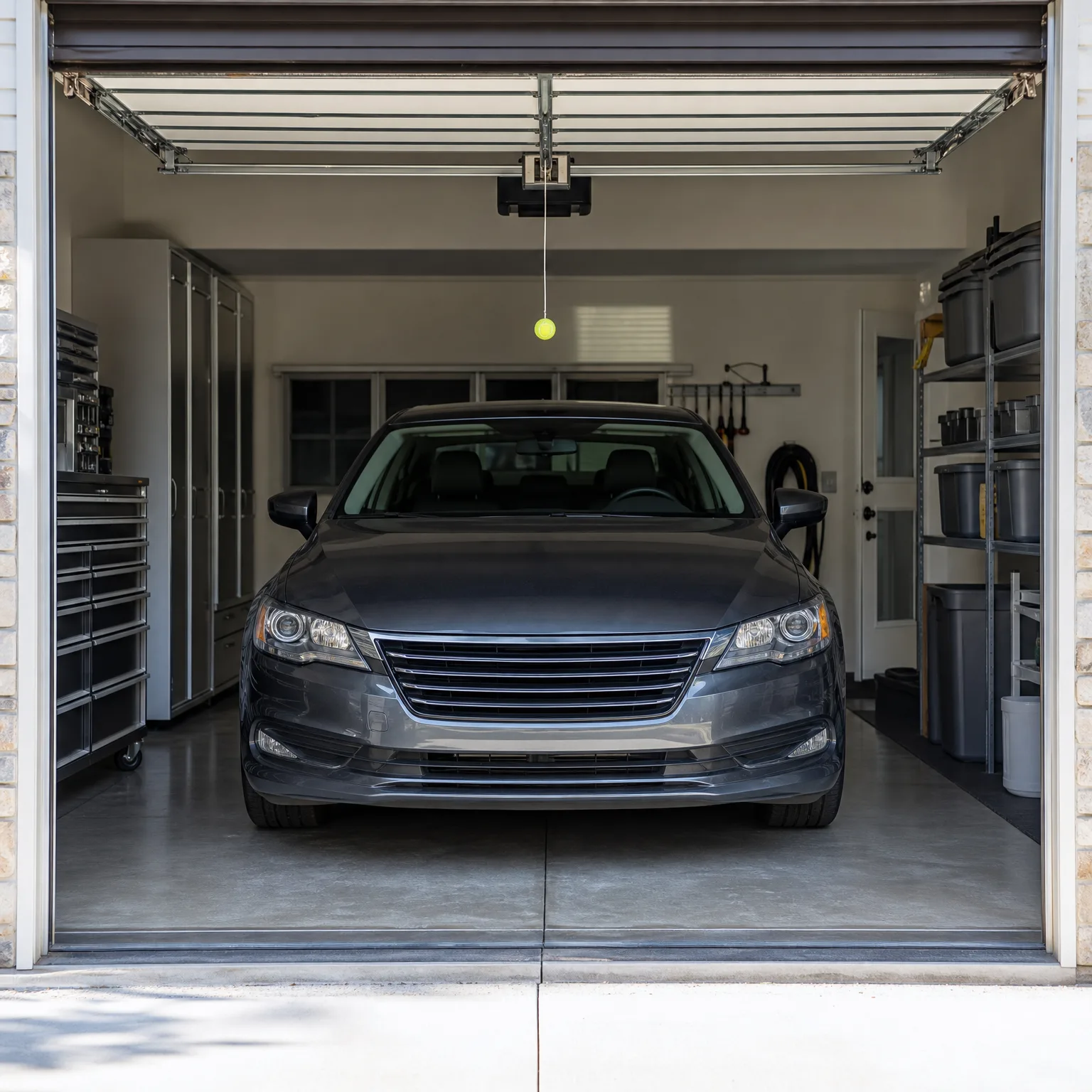
The car you choose changes your rate more than retiring does
Insurers price a policy around the car as much as the driver. A car with a strong safety record, cheaper parts, and lower repair costs will usually quote lower than a car without those things, regardless of who's driving it.
If you're downsizing from a family car to something smaller, ask for a quote on the new car before you buy it. Some retirees assume a smaller car automatically means a smaller bill, and that's often true, but not always. A two-door sports model or a car with a high theft rate can cost more to insure than the minivan it's replacing.
If you're keeping a second car for occasional use, like visiting grandchildren or weekend trips, ask your insurer how they price low-mileage use. Some offer a lower rate for a car that's driven less, but you have to tell them the car qualifies. They won't assume it.
When you drive less overall, your insurer only credits you for that if you've told them your mileage has dropped. Check whether your policy already reflects how much you drive now, especially if your commute ended with retirement.
How you pay and what you still owe on the old car
If you're paying cash for the new car instead of financing it, you have more freedom in how you insure it. A lender requires full coverage for as long as a loan exists. Without a loan, you can choose a policy that fits what the car is actually worth to you.
If you still owe money on the car you're trading in, settle that with the dealer or your lender before you assume you're starting fresh. A trade-in with a remaining balance changes what you owe going forward, and that's separate from how the new car gets insured.
If your household is also dropping from two cars to one, or one driver to one car, tell your insurer. Multi-car discounts and household rules change when a car leaves the policy, and you want that reflected before your next renewal, not after.
Ask whether your current insurer handles the car you're considering well, or whether a different insurer prices that type of car more fairly. Not every insurer treats every car the same, and the company that's been good to you for decades isn't guaranteed to be the best fit for a different kind of car.
Questions people ask about this
Does my insurance rate go up or down when I retire?
Retiring doesn't change your rate by itself. What can change it is driving less, which some insurers reward if you tell them, or buying a different car, which they'll price on its own terms.
Should I drop collision coverage on an older car after I retire?
That depends on what the car is worth and what you could afford to replace it with out of pocket. Ask your insurer or agent for the car's current value and compare that to what you're paying for collision and comprehensive coverage each year.
Do retirees get a discount for driving less?
Many insurers offer a lower rate for low annual mileage, but you have to report your mileage for it to apply. Ask your insurer how they verify it and whether you qualify.
Is it better to buy a used car or a new car in retirement?
Either can make sense, and it depends on what you want from the car and what you can afford to maintain. A used car usually costs less to insure, but ask for a quote on the specific car before deciding, since age alone doesn't determine the rate.
Will my insurer drop me for being older?
An insurer can't cancel your policy simply because of your age. If your rate changes or your insurer asks for more information as you get older, that's usually tied to your driving record or a state requirement, not age by itself. Ask your insurer directly if you're unsure what's prompting a change.
See what the car you're considering would actually cost to insure before you buy it.
Before you sign anything, get a quote on the specific car you're considering, not just the type of car. Have your current policy and driving record handy, since insurers will ask about both. If you're dropping to one car or driving less than you used to, tell your insurer now rather than waiting for renewal. Ask whether your mileage, your car's safety features, or your years of driving history qualify you for anything you're not already getting. If you still owe money on a car you're trading in, settle that with your lender first. And if you haven't compared your current insurer against others recently, this is a reasonable time to do it, since a new car is already prompting a new quote.