Is Leasing a Car Smart After Retirement
Leasing can make sense on a fixed income, but it usually costs more over time than buying and holding a paid-off car.
It depends on how you drive and what you want from a car payment
Leasing isn't smart or unwise on its own. It fits some retirees and not others, depending on how many miles they drive, how long they plan to keep a car, and whether they'd rather have a predictable monthly payment or no payment at all.
The case for leasing is a newer car with fewer repairs and a warranty that covers most problems. The case against it is that you're always making a payment, you're limited on mileage, and insurance on a leased car usually costs more because the leasing company requires higher coverage limits than you'd choose on your own.

How many miles you drive each year
Most leases set a mileage limit, and going over it means a charge for every extra mile when you turn the car in. If retirement means more road trips, more visits to grandchildren, or just more time behind the wheel, a lease can turn expensive fast.
If your driving has dropped off since you stopped commuting, a lease's mileage cap may never be a problem. Before signing, add up a realistic year of driving, not just what you drove the year before you retired.
Some leases let you pay upfront for extra miles at a lower rate than the end-of-lease penalty. If you expect to run over, ask about that before you sign rather than after.
What a lease requires from your insurance
Leasing companies typically require higher liability limits than the state minimum, plus gap insurance, because they still own the car. That almost always means a higher premium than you'd pay insuring a car you own outright.
This matters more the longer you've been retired, because your driving record and any discounts you've built up over the years apply to whatever coverage the lease requires, not a lighter policy you might choose on your own.
Before leasing, ask the dealer exactly what coverage the lease requires and get a quote based on those limits, not the minimum your state allows. That's the real cost of the lease, not just the monthly payment.
Questions people ask about this
Is it better to buy a used car than lease in retirement?
A used car bought outright usually costs less over time than a lease, since there's no monthly payment once it's paid for. The tradeoff is you take on the repair costs a lease would have covered, so the comparison depends on how reliable the car is and how long you plan to keep it.
Does leasing a car affect my insurance rate more than owning?
Leasing often raises the premium compared to owning the same car, because the leasing company requires higher liability limits and usually gap coverage. Ask your insurer for a quote at those required limits before you commit to a lease, so you know the full monthly cost, not just the lease payment.
Can I lease a car if I'm on a fixed income?
Lease approval depends on the leasing company's own credit and income requirements, which vary by dealer and lender. If approved, the fixed monthly payment can make budgeting easier, but it's still a payment you'll carry for the length of the lease with no equity at the end.
What happens to a lease if I can no longer drive safely?
Ending a lease early usually comes with a penalty, since the leasing company is still counting on those remaining payments. Check the lease terms for an early termination clause before signing, and ask specifically what it would cost to end the lease ahead of schedule.
Should I lease or buy if I only drive a few times a week?
Light driving usually favors buying, since you won't come close to a lease's mileage limit and a paid-off car costs nothing once it's bought. Leasing makes more sense for someone who wants a new car every few years regardless of how much they drive it.
See what a car like this would actually cost to insure before you decide how to pay for it.
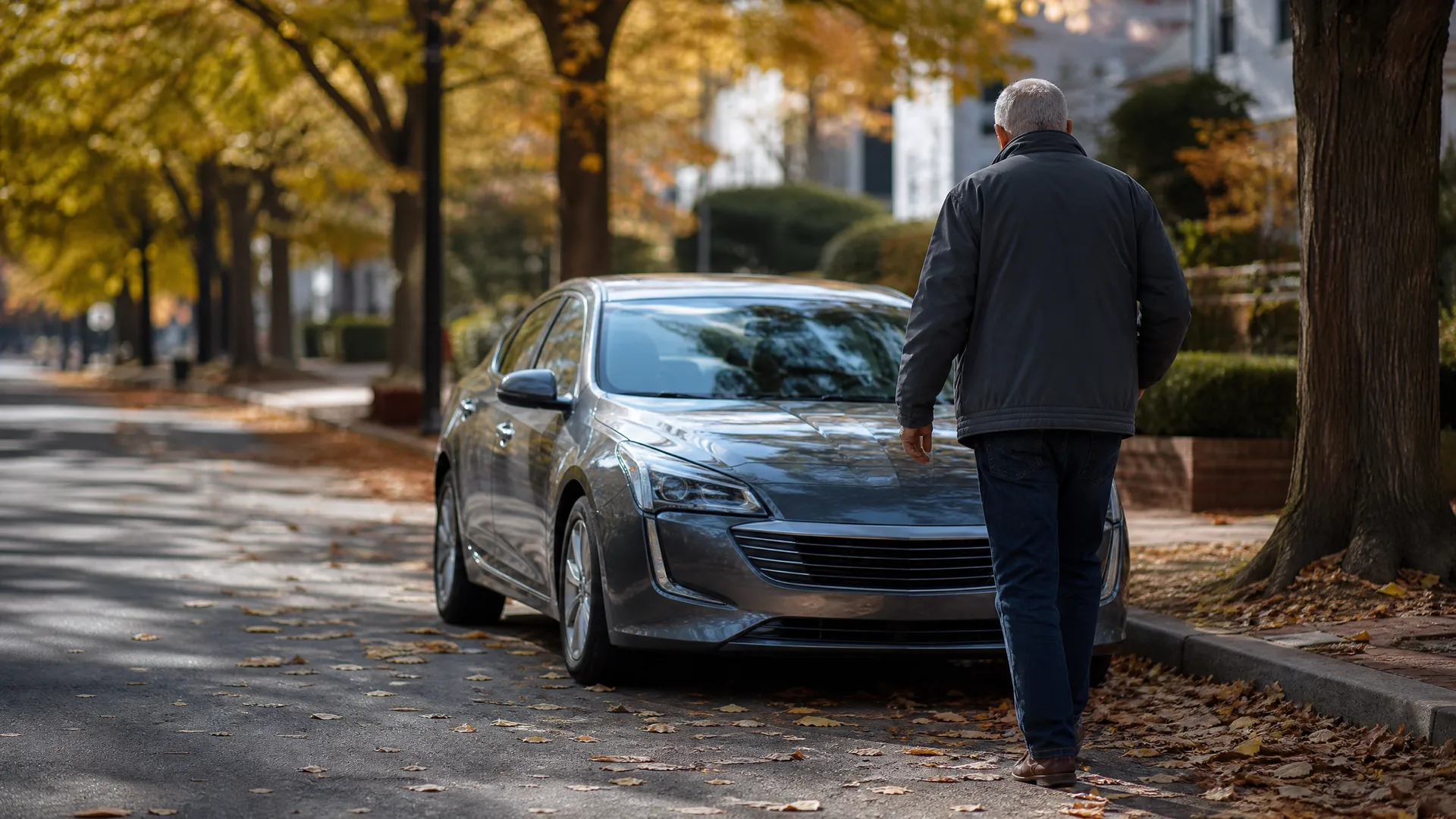
Get a quote for the specific car you're considering, using the coverage limits a lease would require, not your state's minimum. Compare that monthly insurance cost against what you'd pay insuring a used car you own outright. Ask the dealer for the lease's mileage limit and the per-mile overage charge, then check it against a real year of your driving. If you're not sure how much you drive now that you're retired, check your odometer against a service record from a year ago. Bring both numbers, the insurance quote and the mileage math, to the decision rather than just looking at the monthly lease payment.