How Is a Trade In Value Decided
A dealer sets your trade in value by checking the car against current wholesale prices, then adjusting for its condition, mileage, and how easy it will be to resell.
It comes down to market data plus inspection
Dealers start with a wholesale value pulled from auction and sales data for your car's year, make, and model. That number tells them what other dealers are paying for similar cars right now, not what you paid or what you think it's worth.
From there they inspect your actual car. Mileage, condition, accident history, and how many of that same car are already sitting on lots nearby all move the number up or down from that starting point. Two identical model years can get different offers if one has more miles or a cleaner history.
Your car's condition and history matter most
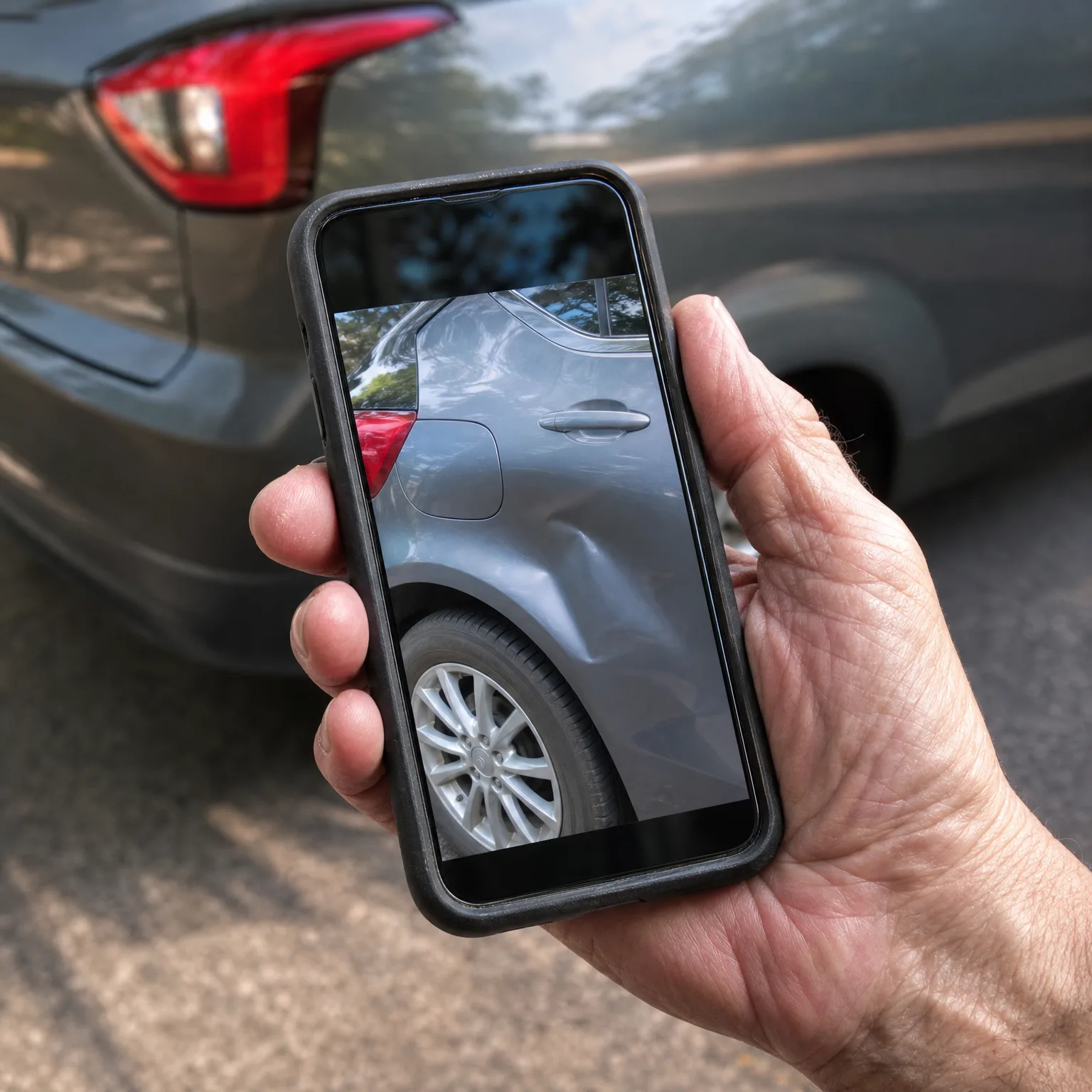
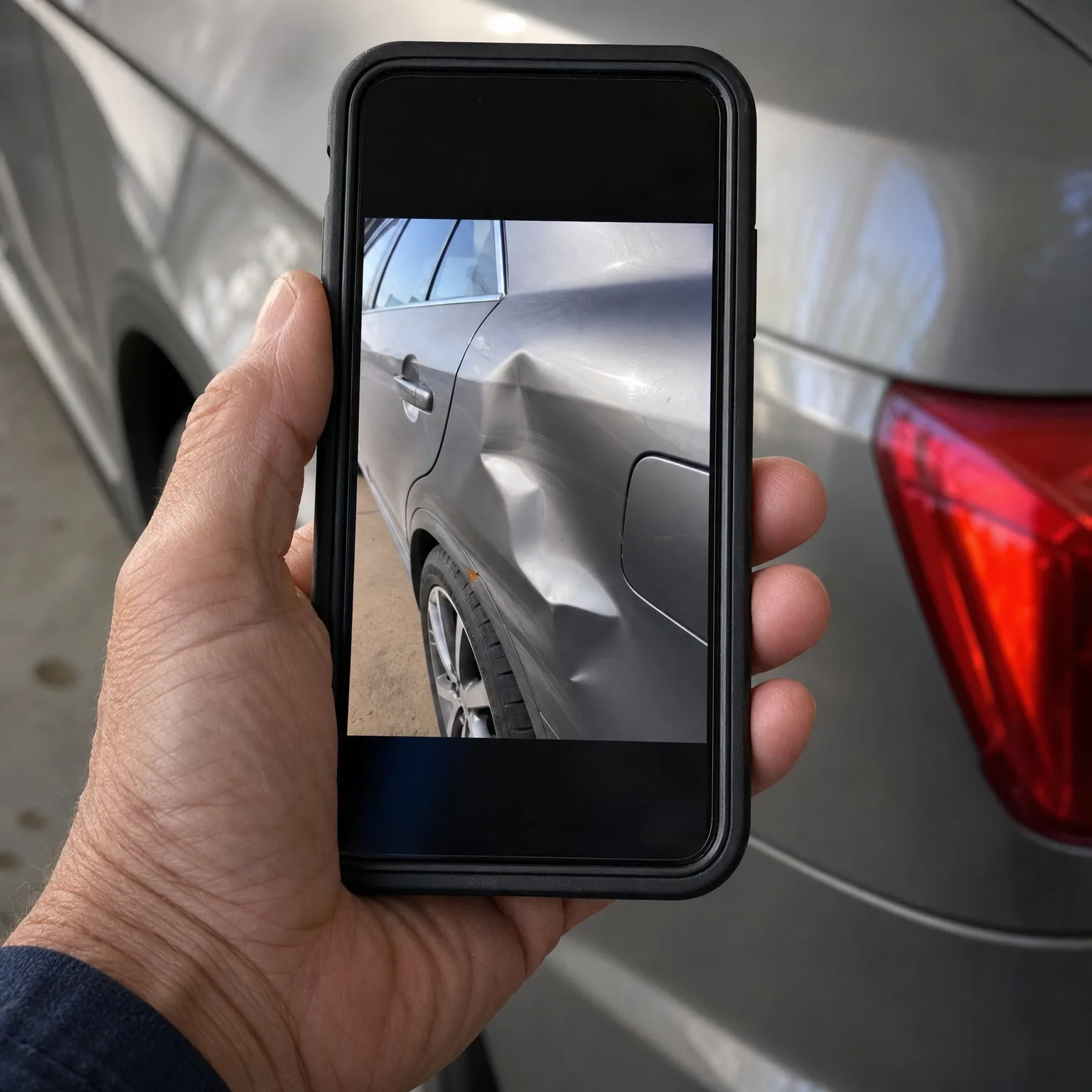
The inspection is where your number actually gets set. A dealer or their appraiser looks at the tires, the brakes, the body for dents or rust, and the interior for wear. They'll also pull a vehicle history report to check for accidents, title issues, or flood damage.
Mileage gets weighed against the car's age. A car with low miles for its year holds value better than one that's been driven hard, even if both look fine from the outside.
If you have maintenance records, bring them. A documented history of oil changes and repairs tells the dealer the car was looked after, and that can move the offer in your favor.
What you can control before the appraisal is limited but real. A clean car, inflated tires, and a recent oil change won't transform the offer, but they remove reasons for the dealer to knock the number down.

Local demand changes what your car is worth
The same car can be worth more in one place than another. If a dealer already has several of the same model on their lot, they'll offer less because they don't need another one. If your car is in short supply locally, especially trucks or certain SUVs in some regions, the offer tends to be stronger.
Season and fuel prices play into this too. A convertible or a large SUV can trade differently depending on the time of year or what gas costs at the moment.
Because of this, the same car can get different trade in offers from two dealers in the same town. Getting more than one appraisal before you commit is the only way to know if an offer reflects real demand or just that particular lot's needs.
Questions people ask about this
Should I get my car appraised before going to the dealer?
Yes, an independent appraisal or online valuation gives you a number to compare against the dealer's offer. It won't match exactly, since the dealer factors in resale costs and their own inventory, but it tells you if an offer is reasonable or low.
Does fixing small dents or scratches raise my trade in value?
Sometimes, but only if the repair costs less than the value it adds. Minor cosmetic fixes can help, but it's worth asking the dealer or an appraiser first whether it's likely to make a difference for your specific car.
Can I negotiate a trade in value like I would a purchase price?
Yes, a trade in offer is a starting point, not a fixed number. Getting offers from a few dealers gives you leverage, and some dealers will adjust their number if you show them a competing offer in writing.
Is my trade in value taxed differently than selling the car myself?
In many states, trading in reduces the sales tax you pay on the new car, since tax is calculated on the price difference. Whether this applies, and how much it saves, depends on your state's rules, so it's worth asking your dealer or checking with your state's tax authority.
Does my loan balance affect my trade in value?
No, your loan balance doesn't change what the car is worth, but it does change what you walk away with. If you owe more than the trade in value, that difference usually gets rolled into your new loan, so it's worth asking the dealer to show the trade in value and the loan payoff as separate numbers.
Once you know what your car might be worth, see how that affects what you'd pay for coverage on your next one.
Get a couple of independent appraisals or online valuations before you visit any dealer, so you have a number to compare against their offer. Pull together your maintenance records and any paperwork on repairs or recent work, since documented upkeep can support a higher number. Check your car's history report yourself for anything that might surprise you at the lot. Ask each dealer to show the trade in value and your loan payoff as two separate figures if you still owe money on the car. If the first offer feels low, take it to a second dealer before deciding, since the same car can be valued differently depending on what's already on their lot.