How Insurers Decide a Car Is Totaled
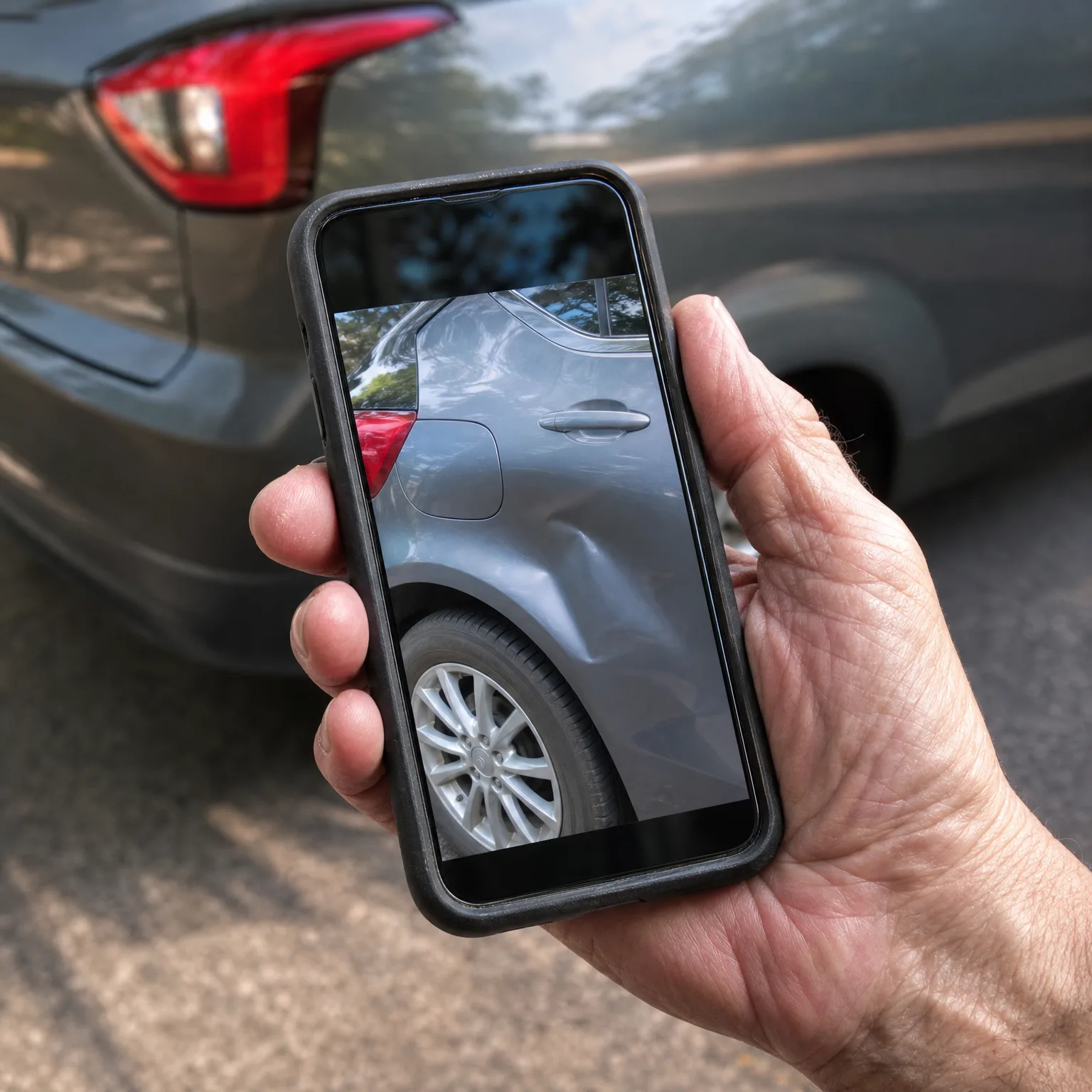
An insurer totals a car when the cost to fix it gets too close to what the car is worth, not when the damage looks bad.
It's a comparison, not a judgment call
An insurer declares a car a total loss when the estimated repair cost reaches a certain share of the car's value before the crash. Every state sets that share differently, and some insurers use a lower threshold than the state requires. So the same damage can total one car and not another, depending on where it's registered and who insures it.
The car's value matters as much as the repair estimate. An older car with high mileage has a lower value to start with, so it takes less damage to cross the threshold. A newer car can absorb a bigger repair bill and still come out ahead of that line.
The car's value before the crash
The insurer starts by setting what they call the actual cash value, what the car was worth the day before the accident. This is the number the whole decision hangs on, and it's worth checking rather than assuming.
Insurers usually pull this from recent sales of similar cars in your area, adjusted for your car's mileage, condition, and options. If your car had low mileage for its age, or you'd just put in new tires or a new transmission, ask whether that got factored in. It should.
A car that's been well maintained but is simply old will still have a low value compared to the repair cost. That's the math working as intended, not a mistake, but it's worth understanding before you argue the number.
If the value seems low, ask the insurer what comparable sales they used. You can bring your own comparables, listings for similar cars nearby, and ask them to reconsider.
What counts as a repair cost, and what doesn't
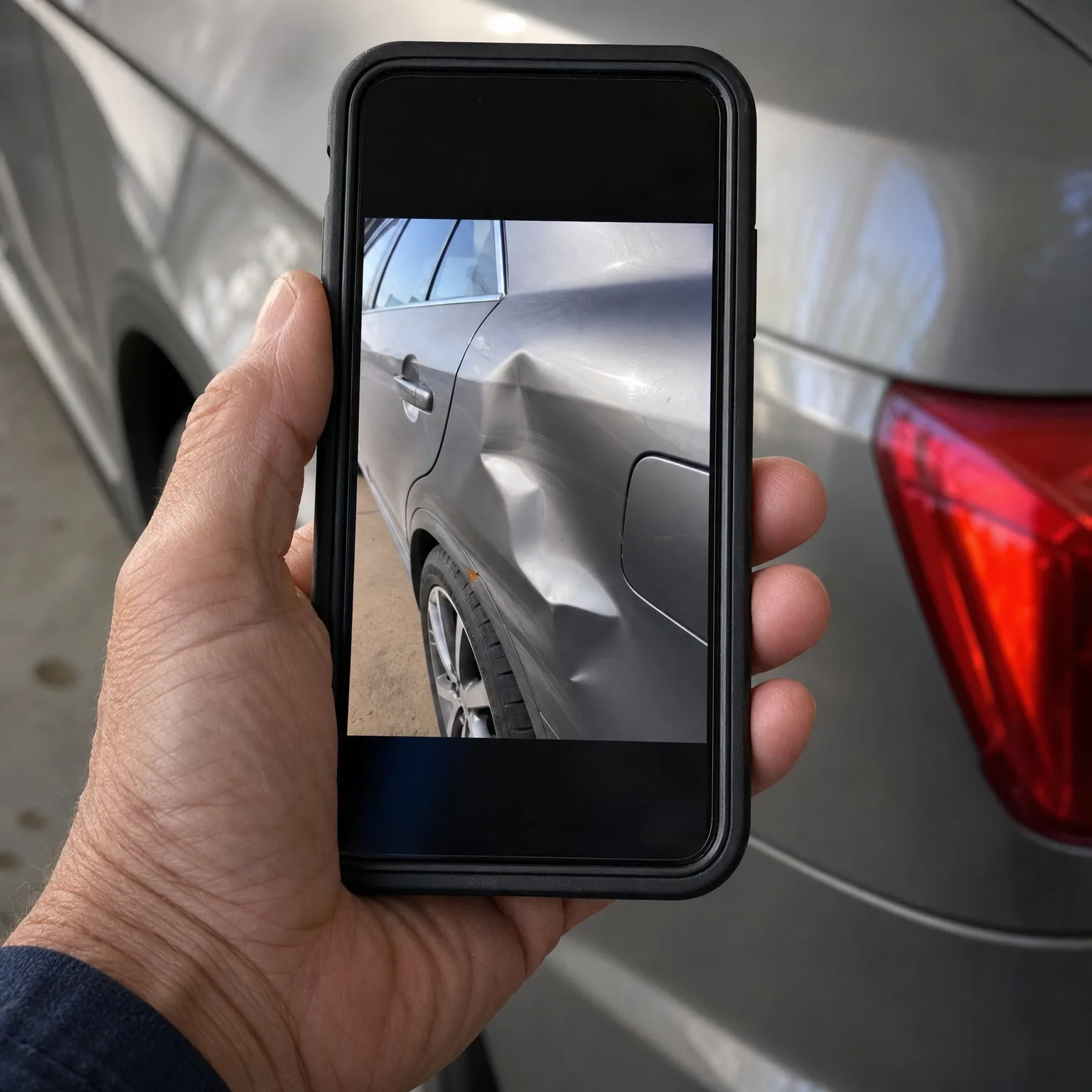
The repair estimate isn't just visible body damage. It includes the parts, the labor, and often hidden damage that only shows up once the car is on a lift, things like a bent frame or a damaged airbag system that has to be fully replaced, not patched.
This is why a crash that looks moderate from the outside can still total the car. Airbags alone are expensive to replace, and frame damage can cascade into repair work that adds up fast.
If you disagree with an estimate, you can get a second opinion from a body shop of your choosing in most states, though the insurer isn't always required to use it. Ask your insurer directly what their process is for disputing a repair estimate.
Older cars sometimes have parts that are harder to source, which can push the estimate higher simply because the part is scarce, not because the damage is severe.
Questions people ask about this
Can I keep my car if the insurer declares it a total loss?
In most states, yes, but the insurer subtracts the salvage value from your payout and the car gets a salvage title. Ask your insurer what that would mean for your payout before you decide, since the title brand can make the car harder to insure or sell later.
Will totaling my car raise my future premium?
That depends on whether the accident is recorded as your fault. A total loss from a crash you caused affects your record the same way any at-fault accident would. A total loss from something like a flood or a fallen tree usually doesn't carry the same effect, but ask your insurer how they classify it.
Do I have to accept the insurer's total loss valuation?
No, you can dispute it, and most states have a process for that. Start by asking your insurer what comparable sales they used to set the value, then bring your own listings for similar cars if theirs seem off.
Does a totaled car affect my ability to get coverage later?
A total loss by itself usually doesn't make you harder to insure, what matters more is whether the accident was your fault. A salvage title on a replacement car, if you decide to keep the wrecked one and fix it yourself, can affect what coverage is available on that specific car going forward.
What happens to my loan if the car is totaled and I still owe money?
The insurer pays out the car's value, not what you owe, so if your loan balance is higher than the payout you're responsible for the difference unless you have gap coverage. Check your policy or ask your insurer whether gap coverage is included or available to add.
If a repair estimate is creeping toward a total loss, it's worth seeing what coverage looks like with a different insurer before you renew.
Ask your insurer directly for the repair estimate and the actual cash value they've assigned your car, in writing if you can get it. Compare the value to recent sales of similar cars in your area so you know whether it holds up. If you disagree, ask what their dispute process is before you sign anything or accept a payout. If you're carrying a loan, check your paperwork for gap coverage so you know whether you'd owe money beyond the payout. And if this accident has you thinking about your coverage generally, this is a reasonable week to compare what other insurers would charge you going forward.