Is It Better to Sell or Trade In a Car
A trade-in is faster and simpler, a private sale usually pays more, and which one is right for you depends on how much time and hassle you're willing to put in.
It depends on what you're optimizing for
A dealer will almost always offer you less for your car than you could get selling it yourself. That's the trade-off. The dealer takes on the work of reselling it, the risk of it sitting on the lot, and the uncertainty of finding a buyer, and they price all of that into their offer. When you sell privately, you take on that work yourself, and in exchange you keep the money that would have gone to the dealer.
So the real question isn't which one is better. It's whether the extra money from a private sale is worth the time it takes to get it. That means cleaning the car, taking photos, writing a listing, answering messages from strangers, and meeting people to let them test drive it. Some people don't mind any of that. Others would rather hand over the keys and be done.
Your state's sales tax rules can close the gap
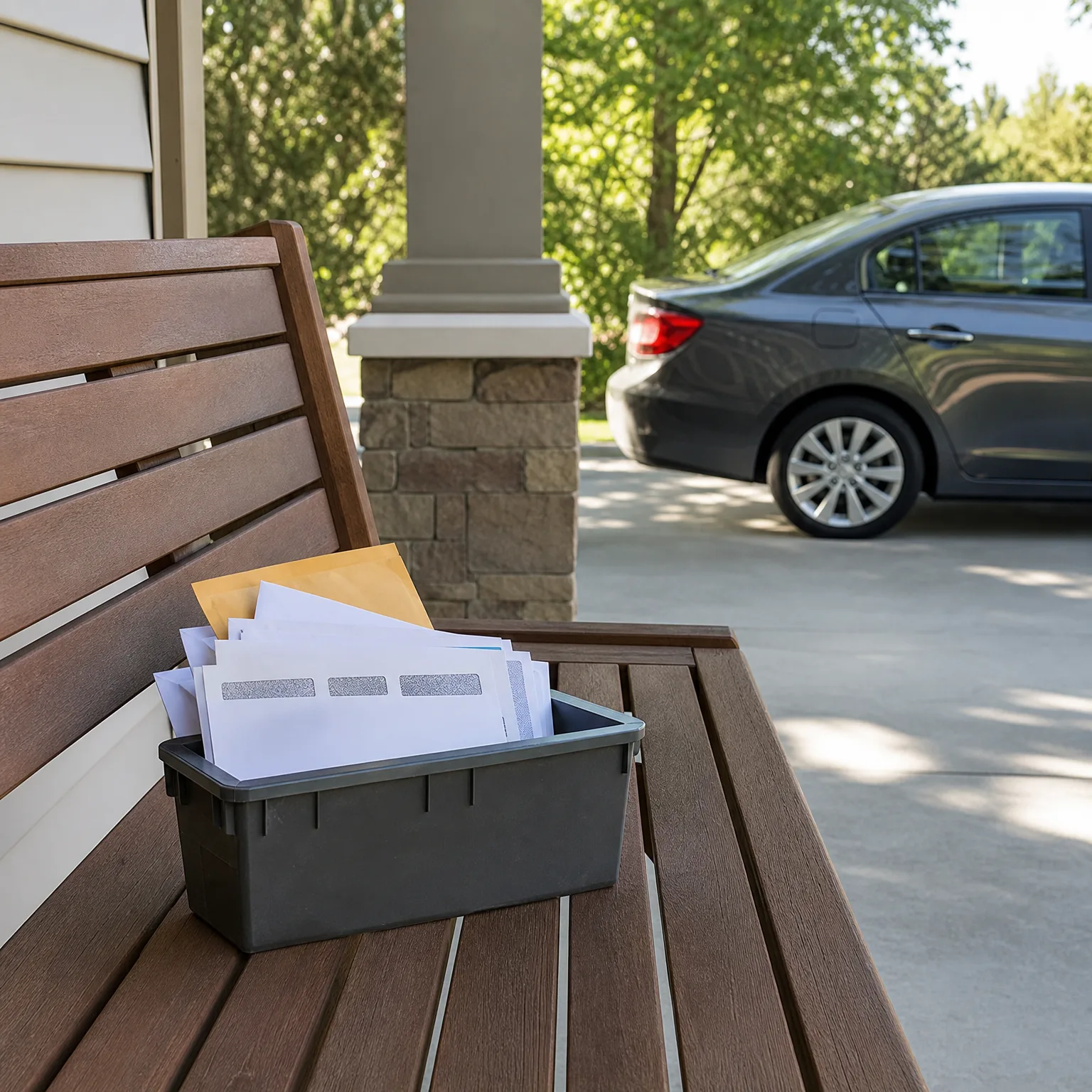
In many states, when you trade in a car as part of buying another one, you only pay sales tax on the difference between the new car's price and your trade-in value. If you sell your old car privately and then buy a new one, you pay sales tax on the new car's full price. That tax savings can offset a meaningful part of what you'd have gained by selling privately.
Whether your state does this, and how the math works out, varies. It's worth asking your dealer or checking with your state's tax authority before you decide, since this is often the single biggest factor that changes the answer.
If you're not buying another car right away, this doesn't apply, and the calculation comes down to time and effort instead.
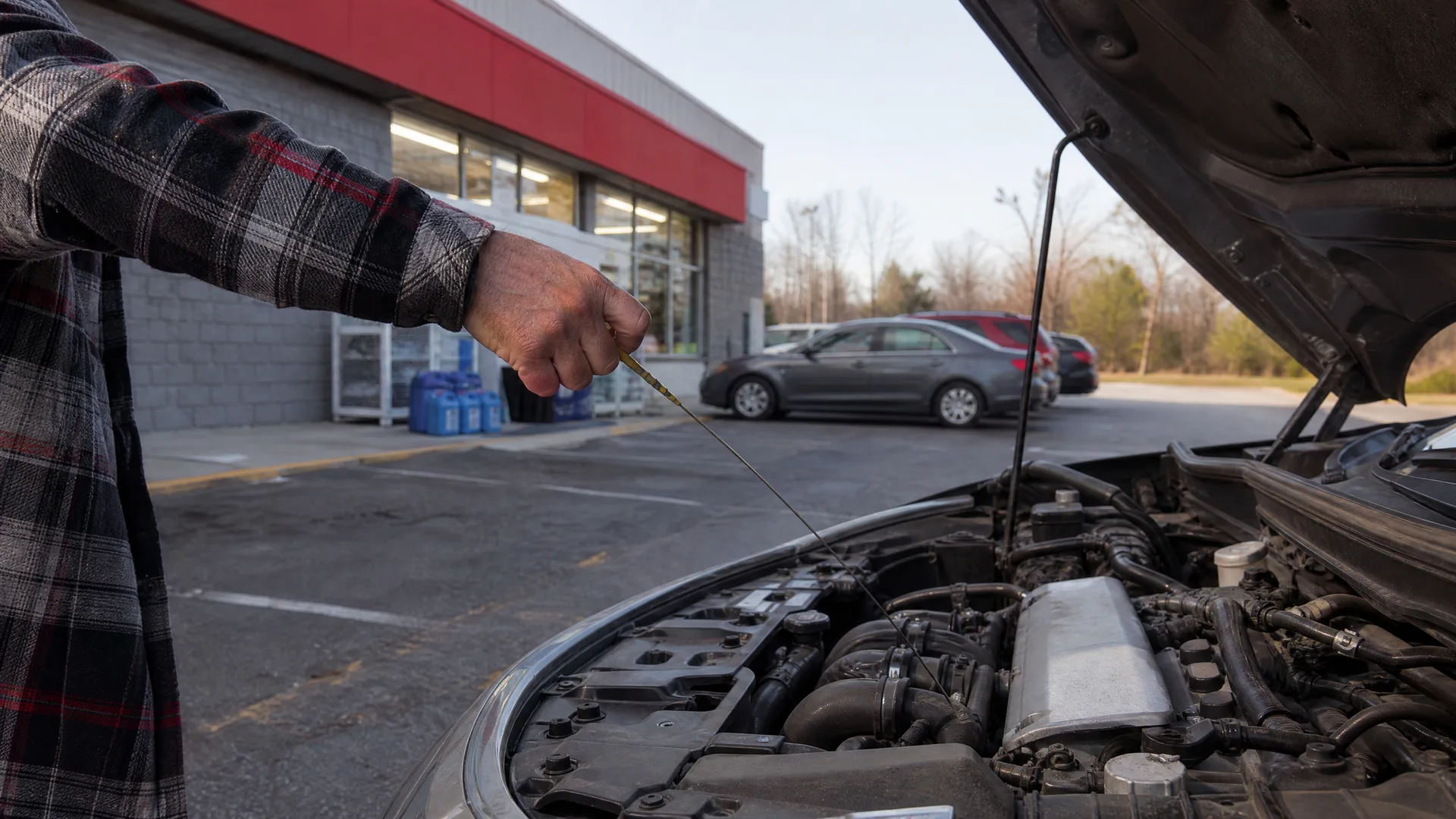
What your car is worth to someone who wants it
Trade-in value is based on what the dealer can resell the car for with minimal effort, often at auction or to a wholesaler. Private sale value is based on what an actual buyer wants to pay for that specific car. Those two numbers can be close, or far apart, depending on the car.
A car that's a few years old, in good condition, and a popular model tends to sell well privately because there's real demand for it. A car that's older, has higher mileage, or needs work often sells closer to its trade-in value anyway, because private buyers are harder to find and want a lower price to take on the risk.
It's worth getting a trade-in quote and a sense of private sale prices for your specific car before deciding. If the gap is small, the convenience of a trade-in may be worth more than the difference.
Questions people ask about this
Can I trade in a car that still has a loan on it?
Yes, but the dealer will pay off your remaining loan balance out of the trade-in value first, and you only get the difference if any is left. If you owe more than the car is worth, you'll need to cover that gap, either by paying it or rolling it into your new loan. Ask your lender for your current payoff amount before you go in.
Does selling a car privately affect my insurance?
Your policy on that car ends once you no longer own it, so you'll want to cancel or adjust your coverage the same day the sale is final. Don't cancel early, since you're still liable for the car until the title and keys have actually changed hands. Call your insurer once the sale is done to handle the paperwork.
What paperwork do I need to sell a car privately?
At minimum you'll need the title, and most states also want a bill of sale and an odometer disclosure. Some states require a smog or safety inspection before a private sale can go through. Check with your state's motor vehicle agency for the exact list, since requirements differ.
Is a trade-in offer negotiable?
Yes, dealers often have some room to move on a trade-in offer, especially if you have a competing offer from another dealer or a private buyer in hand. It helps to get your car appraised somewhere else first so you know what it's actually worth. Treat the trade-in number as a starting point, not a final offer.
How do I find out what my car is worth before deciding?
Several online tools will give you an estimated trade-in value and private sale value based on your car's make, model, mileage, and condition. It's worth checking more than one, since estimates can vary. Getting an actual trade-in quote from a dealer and comparing it to what similar cars are listed for near you will give you the clearest picture.
Before you decide how to sell your car, it's worth knowing what a new policy on your next one will cost.
Get a trade-in estimate from a dealer and a sense of private sale prices for your car's make, model, and mileage before you commit to either path. If you're buying another car at the same time, ask the dealer how your state handles sales tax on a trade-in, since that can change the math. If you go the private sale route, line up the title, bill of sale, and any inspection your state requires ahead of time so you're not scrambling once a buyer shows up. Either way, call your insurer once the sale is final to cancel or transfer coverage on that car the same day.