What Is a Salvage Title
A salvage title means an insurance company paid out on the car as a total loss, usually after serious damage, and it follows the car for as long as it exists.
It marks the car as a declared total loss
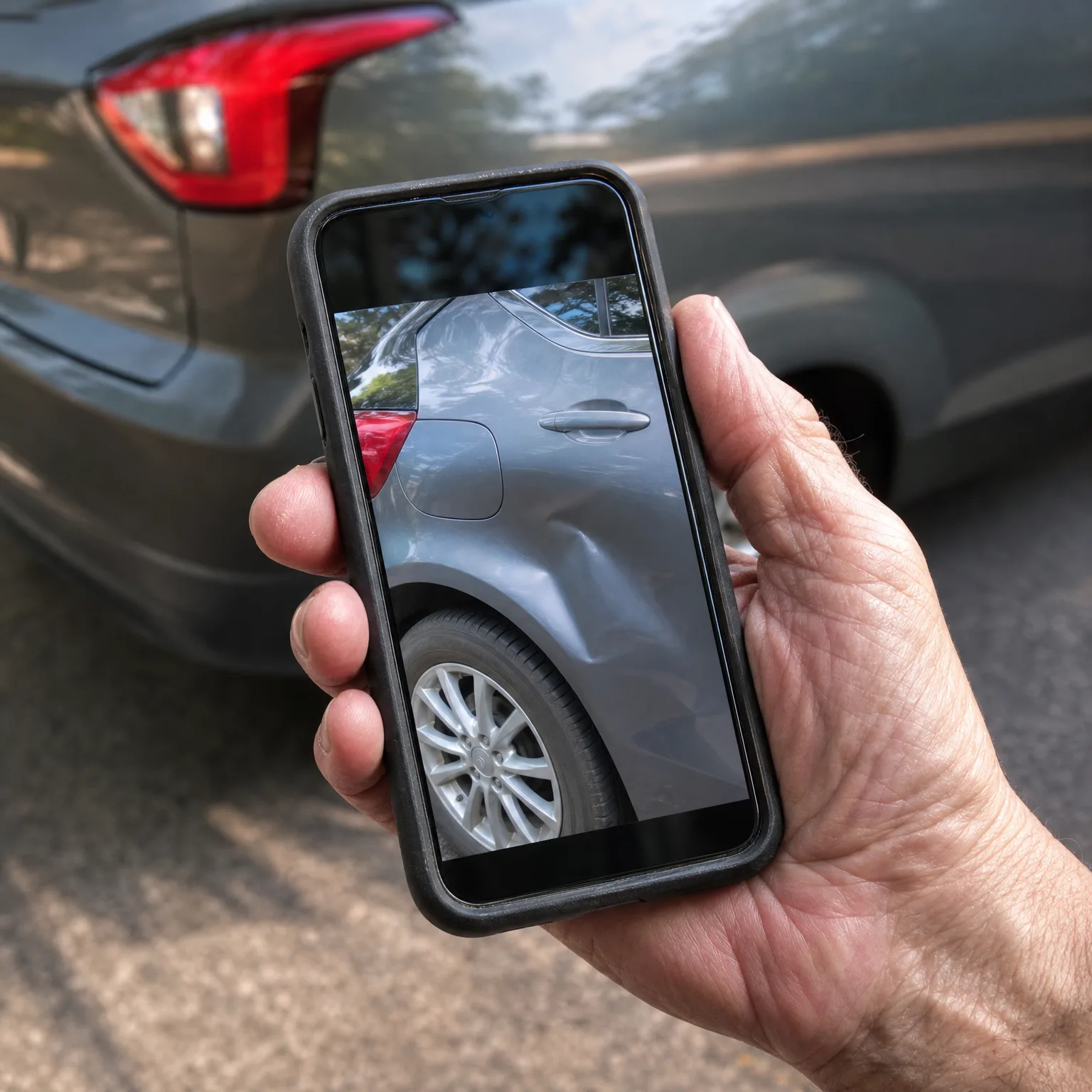
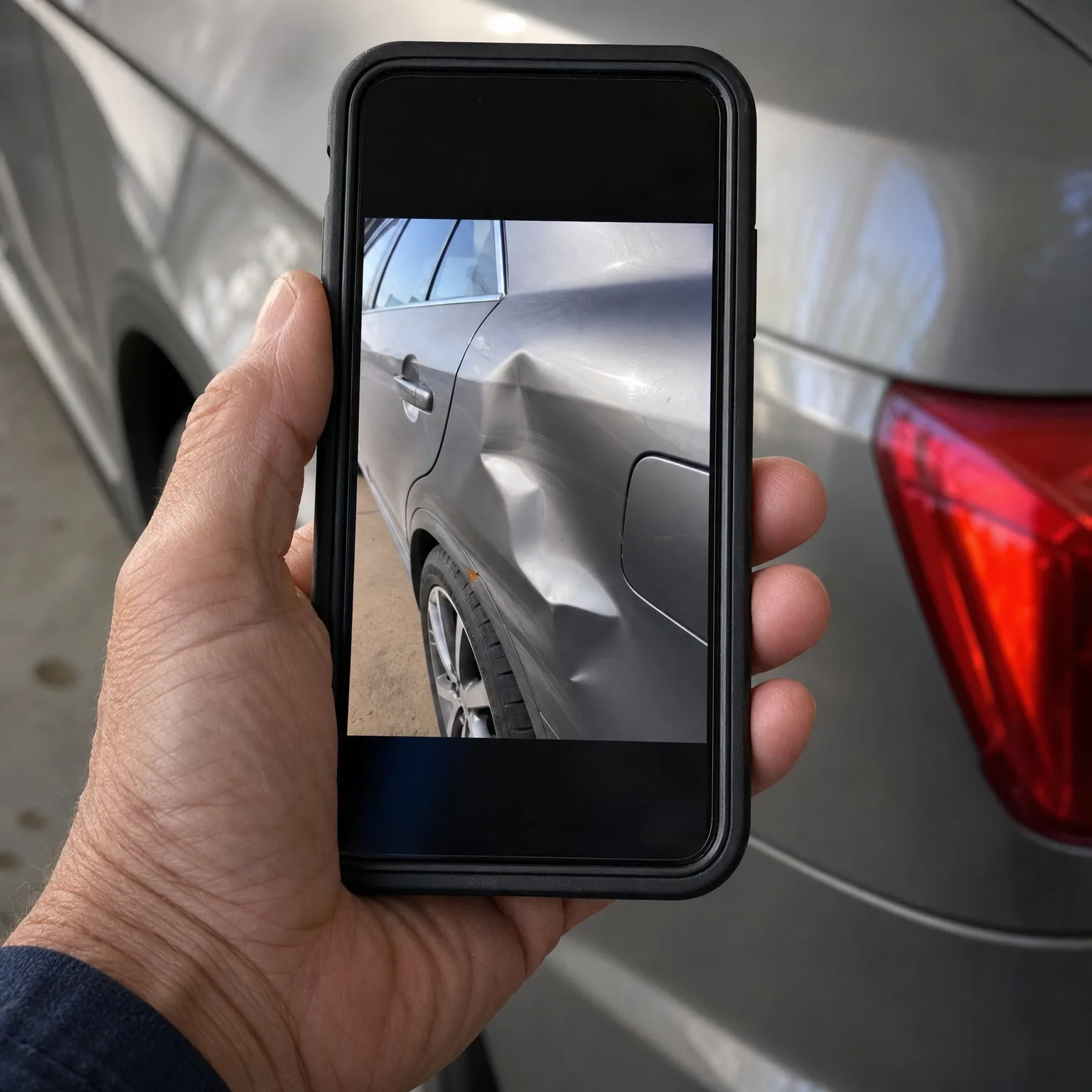
A salvage title is issued when an insurer decides that repairing a damaged car costs more than the car is worth, or more than the insurer is willing to pay. Instead of a regular title, the state issues a salvage title, and that record stays attached to the car's history from then on.
The damage behind it isn't always a wreck. Flooding, fire, theft with parts stripped out, and even some hail damage can all lead to a salvage title if the repair cost crosses the insurer's threshold. Once a car has one, most states require it to pass an inspection before it can be rebuilt and retitled as a rebuilt or reconstructed vehicle.
What it does to insuring the car
Some insurers won't write a standard comprehensive or collision policy on a salvage title car at all. Others will, but only after the car has been rebuilt, retitled, and inspected, and even then they may limit coverage to liability only.
If you're looking at a car with a salvage title, ask the insurer you're considering whether they'll cover it before you buy, not after. The answer depends on the insurer and sometimes on the state, so don't assume because one company said yes that another will.
For a car that already has full coverage and later gets totaled and bought back by the original owner, the same rule applies going forward. The title changes, and the coverage options change with it.
What it does to the car's value
A salvage or rebuilt title lowers what the car is worth, even after repairs bring it back to good working condition. Buyers expect a lower price because the car's history includes a total loss, and that history never goes away.
This matters most when you go to sell. A rebuilt title car will typically sell for less than the same car with a clean title, regardless of how well the repairs were done. Lenders also tend to be more cautious about financing a car with this kind of title, so a buyer paying cash may be the most realistic market for it.
If you're buying one, get an independent inspection before you commit, not just the one the state requires. The state inspection confirms the car is safe to drive. It doesn't tell you how well it was repaired.
Questions people ask about this
Can you get full coverage on a rebuilt title car?
Sometimes, but not with every insurer. Some companies offer comprehensive and collision on a rebuilt title once it passes inspection, while others limit it to liability only. Ask the specific insurer directly, since this varies by company and sometimes by state.
Is a salvage title the same as a rebuilt title?
No. A salvage title means the car was declared a total loss and hasn't been repaired yet. A rebuilt title is issued after the car passes a state inspection showing it was repaired and is safe to drive again.
How do you find out if a car has a salvage title before buying it?
Run the vehicle identification number through a vehicle history report before you buy. The seller is also required in most states to disclose a salvage or rebuilt title, but checking the history yourself confirms it independently.
Does a salvage title affect financing?
It can make financing harder to get. Many lenders are cautious about loaning money on a car with a salvage or rebuilt title, since it's worth less and can be harder to resell. Ask the lender directly before you count on financing one.
Who decides a car is a total loss?
The insurer handling the claim makes that call, based on repair cost compared to the car's value before the damage. The exact threshold they use depends on the insurer and the state's total loss formula.
See what it would cost to insure the car you're looking at before you commit to buying it.
If you're considering a car with a salvage or rebuilt title, start by pulling a vehicle history report using the VIN so you know exactly what happened to it. Call an insurer you're considering and ask plainly whether they'll cover that specific car, and what kind of coverage they'll offer. Ask to see the state inspection certificate if the car has already been rebuilt, and consider paying for your own mechanic to look it over too. If you already own a car that was just totaled and you're thinking about buying it back, ask your insurer what title it will carry afterward and how that changes your coverage options. Get these answers in hand before you sign anything.