What Is a Lease Buyout
A lease buyout is paying off the car you've been leasing so you own it outright instead of handing it back.
It means you buy the car you've been leasing
At the end of a lease, or sometimes before it ends, you have the option to pay the leasing company a set amount and keep the car instead of returning it. That amount is usually spelled out in the lease contract as the residual value, the price the car is predicted to be worth at that point.
People choose this when the car has held its value better than expected, when they've kept it in good shape and know its history, or when they simply don't want the hassle of shopping for something new. Once you buy it out, the car is yours. You can keep it, sell it, or trade it in like any other car you own.
What it means for your insurance
While you're leasing, the leasing company usually requires you to carry higher liability limits and often full coverage, since they're the legal owner of the car. Once you complete a buyout, you own the title, and you can review your coverage and decide what you actually need going forward.
Some drivers find they can lower their coverage once they own the car outright, especially if it's older or has higher mileage than when the lease started. Others keep the same coverage because the car still has real value worth protecting.
Either way, this is a good time to call your insurer and let them know the car's ownership has changed. The policy may need to be updated to reflect that you're now the owner, not the leaseholder.
It's also worth asking your insurer whether your rate changes once the leasing company is no longer listed as a lienholder or additional interest on the policy.
What decides whether it's worth doing
The main thing to check is whether the buyout price is close to what the car is actually worth. If similar cars are selling for less than your buyout price, it may not make sense to go through with it. If they're selling for more, buying out the lease can be a good deal.
Your own driving habits matter too. If you drive more than the lease allowed, a buyout avoids the mileage penalty you'd otherwise pay when returning the car. If you've gone over by a lot, that penalty can make the buyout look more appealing than it would otherwise.
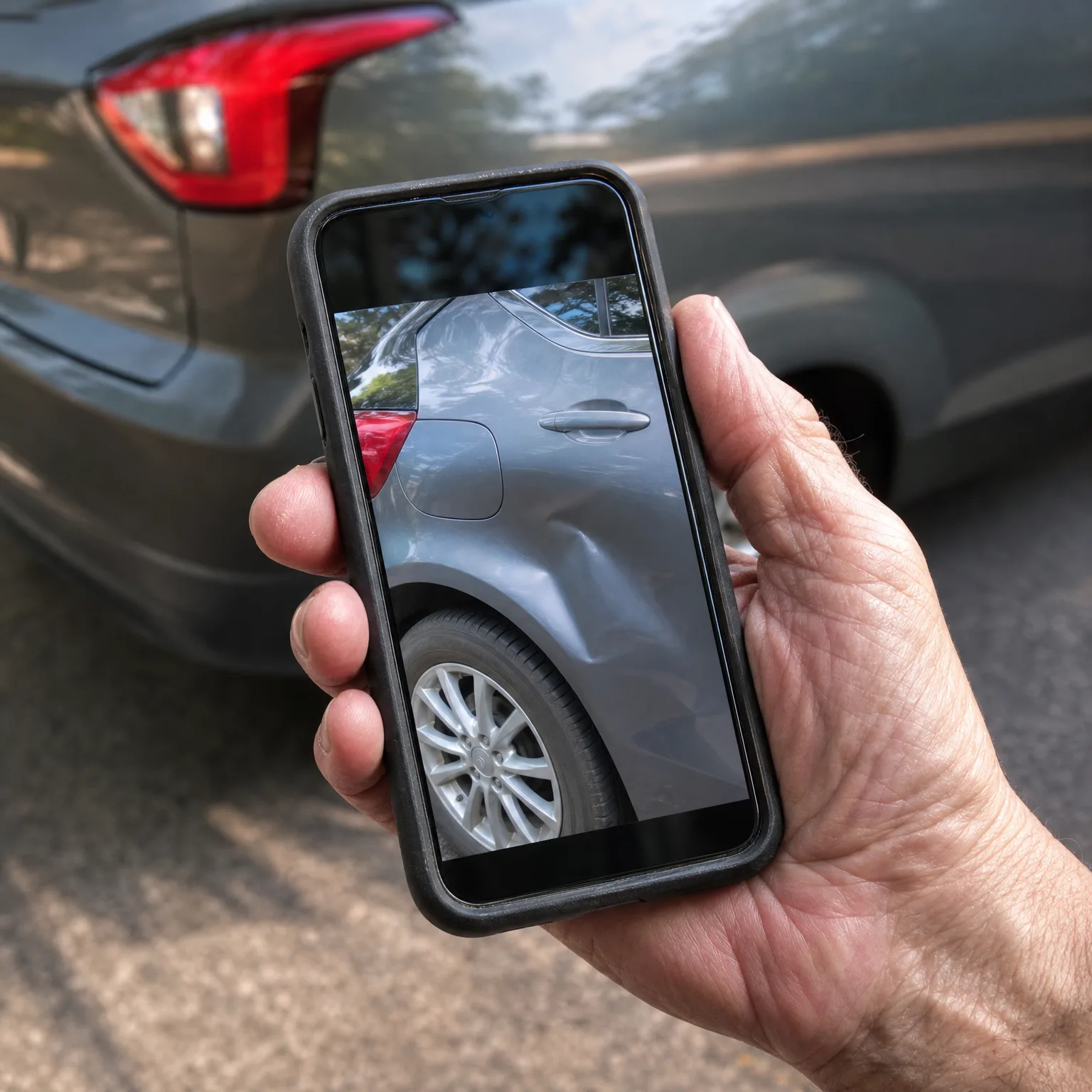
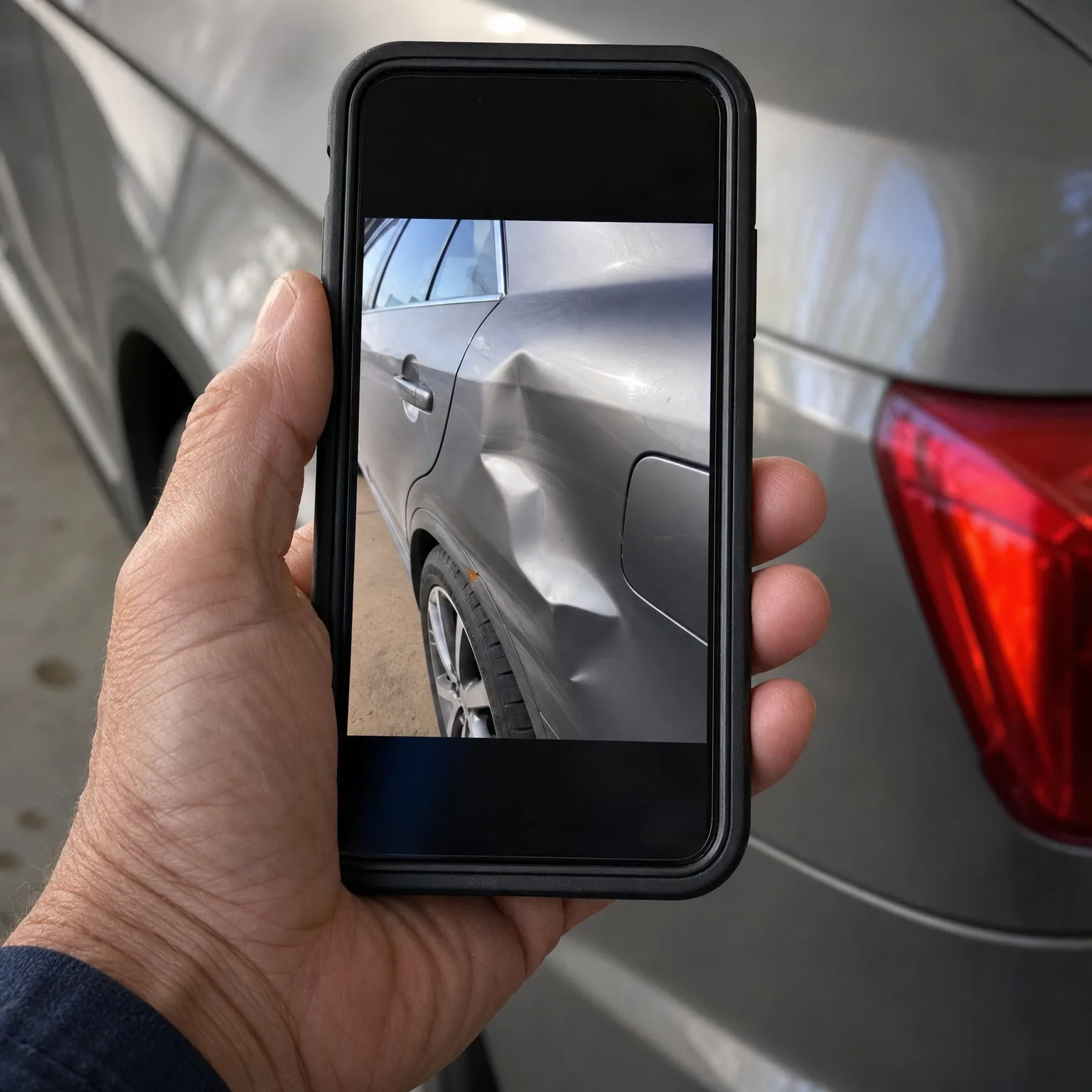
The condition of the car matters as well. Lease returns get inspected for wear beyond normal use, and those charges can add up. If you know the car has some dings or wear that would trigger fees, buying it out sidesteps that inspection entirely.
Finally, check whether the leasing company charges a purchase or disposition fee for buying out early versus at lease end. That fee is sometimes negotiable and sometimes fixed, depending on the lease terms.
Questions people ask about this
How do I find out my lease buyout price?
It's listed in your original lease contract, usually as the residual value. You can also call the leasing company directly and ask for the current payoff amount, which may differ slightly if you're buying out early.
Can I get a loan to buy out a lease?
Yes, many banks and credit unions offer loans specifically for lease buyouts. Shop around since the leasing company's own financing offer isn't always the best rate available.
Does a lease buyout affect my credit?
Taking out a loan to finance the buyout shows up on your credit report like any other auto loan. Paying it off in cash instead doesn't involve a new credit line at all.
Do I need a new title after a lease buyout?
Yes, once you pay off the lease, the title transfers from the leasing company to you. Your state's DMV handles this process, and there's usually paperwork the leasing company sends once the payoff is complete.
Is it better to buy out a lease or lease a new car?
That depends on how much you like the current car, what the buyout price is compared to its market value, and whether you'd rather have a fixed asset or a new car every few years. There's no single right answer, since it comes down to your own priorities and finances.
If you're keeping the car, it's worth seeing what it would cost to insure it as the owner.
Pull out your lease contract and find the residual value listed for the buyout date you're considering. Call the leasing company to confirm the current payoff amount, since it can shift slightly if you're buying out early or late. Look up what similar used versions of your car are selling for, so you know whether the buyout price is a good deal. Call your insurer to ask how your coverage and rate might change once you own the car outright instead of leasing it. If you'll need financing, get a couple of loan quotes from your bank or a credit union before accepting whatever the leasing company offers.