Should Seniors Buy a New or Used Car
A new car costs more up front but a used one can cost more in surprises, so the right choice depends on your driving and your budget, not your age.
There's no right answer for every senior, only what fits your situation
Age by itself doesn't make a new car or a used car the better choice. What matters is how much you drive now, whether you want the newer safety features, and whether you'd rather pay more now or risk paying more later in repairs.
A new car usually comes with better visibility, easier controls, and the latest safety systems like automatic braking and blind spot warnings, which can matter more as reflexes slow. A used car costs less to buy and often less to insure, but you take on whatever wear the previous owner left behind. Which one serves you better depends on your health, your budget, and how much you still drive.
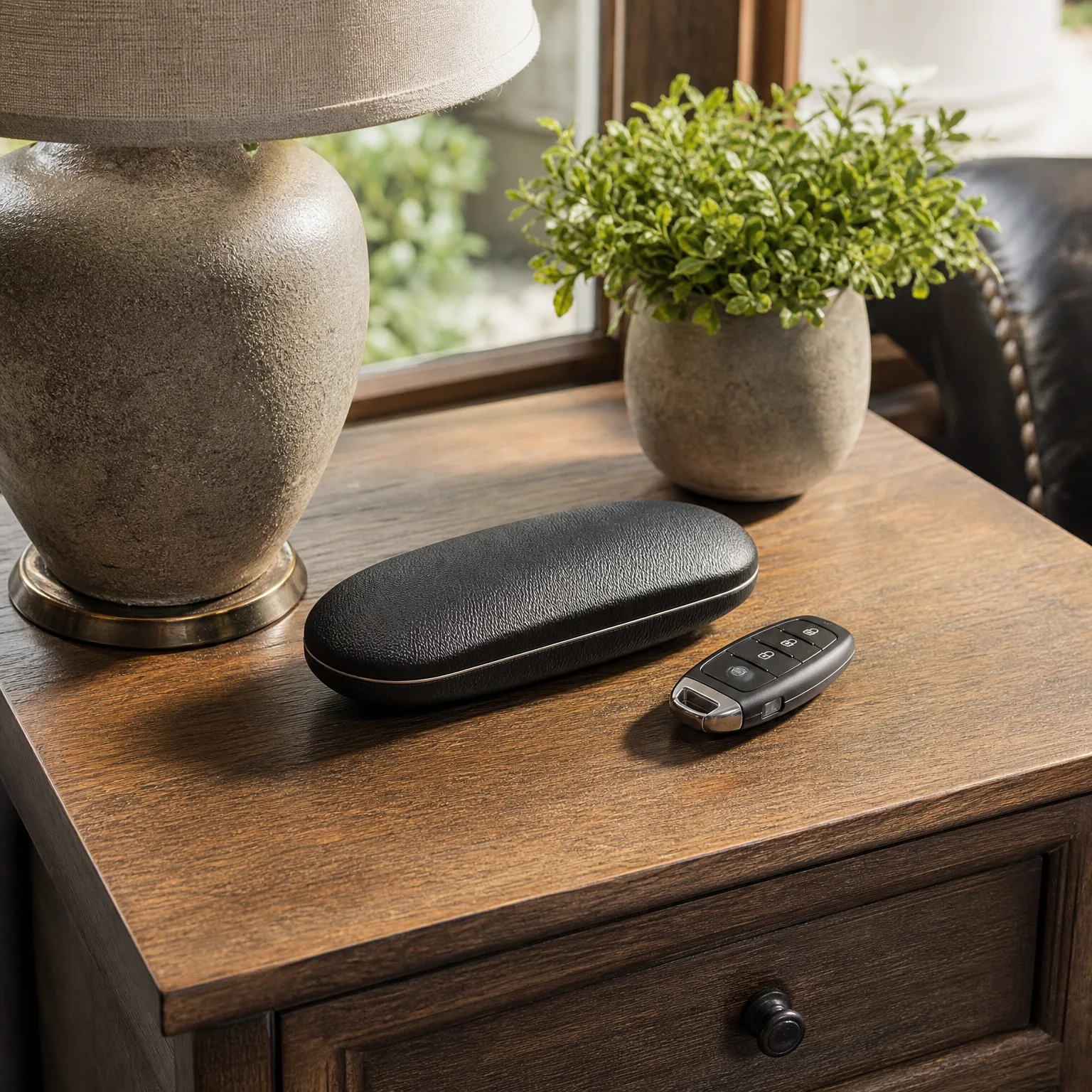
How much you still drive changes the math
If you're driving less than you used to, a used car often makes more sense. You won't put enough miles on it to benefit much from a long warranty, and a lower purchase price means less money sitting in a depreciating asset you barely use.
If you're still driving regularly, for work, for grandchildren, for your own errands and appointments, a new car's warranty coverage and updated safety features start to earn their cost. Fewer trips to the shop, and more systems designed to catch mistakes before they become accidents.
It's worth being honest with yourself about your actual mileage over the last year, not what you expect it to be. Check your odometer against last year's reading if you want a real number to work from.
What most people get wrong about the insurance cost
Many seniors assume a used car will always cost less to insure, and that isn't guaranteed. Insurers price a policy on the car's value, its safety record, and how expensive it is to repair, not just its age. Some older used cars lack the safety features insurers reward with lower rates, which can close the gap between what a new and used policy costs.
A new car may also qualify for discounts tied to anti-theft systems, automatic braking, or other safety technology that an older used model doesn't have. Ask any insurer you're considering how a specific make and model, new or used, would be rated before you decide based on assumptions about which costs less.
The only way to know the real difference for your situation is to get quotes on the actual cars you're comparing, not a general idea of new versus used.
Questions people ask about this
Do seniors get a discount for taking a defensive driving course?
Many insurers offer one, but it depends entirely on the company and sometimes the state. Ask your insurer directly whether they offer this discount and what course they accept, since not every course qualifies.
Will my car insurance go up when I turn a certain age?
It depends on the insurer. Some raise rates for drivers past a certain age, others don't, and the rules vary by company and by state. Ask your insurer how your age affects your premium and whether that changes at your next birthday or renewal.
What safety features should an older driver look for in a car?
Automatic emergency braking, blind spot warning, and backup cameras are the features that most directly help with slower reflexes and reduced visibility. Not every car, new or used, has all three, so check the specific features on any vehicle you're considering rather than assuming based on age or price.
Is it cheaper to insure an older car or a newer one?
It depends on the car's value, safety features, and repair costs, not simply its age. A newer car with strong safety ratings can sometimes cost less to insure than an older car without them. Get quotes on the specific vehicles you're comparing instead of guessing.
Should I drop collision coverage on an older car?
That depends on what the car is worth and what you could afford to replace it with out of pocket. If a car's value has dropped enough that a claim payout would be small, collision coverage may cost more than it would ever pay out. Ask your insurer for the car's current value and compare that to the premium you're paying for collision coverage.
Compare quotes on the specific car you're considering before you decide what to buy.

Decide first how much you actually drive now, using last year's mileage rather than a guess. Then make a short list of two or three cars you're seriously considering, new and used, and get insurance quotes on each one before you buy. Ask about any senior or course-based discounts the insurer offers, and ask how the specific vehicle's safety features affect the rate. If you're keeping your current car a while longer, ask your insurer for its current value so you can judge whether your coverage still makes sense. Bring your driving record and any course certificates with you when you call, since insurers will ask.