Should I Buy My Leased Car at Lease End
It comes down to whether the buyout price is less than what the car is actually worth, and what it will cost you to insure and maintain from here.
Compare the buyout price to what the car is worth
Buying your leased car makes sense when the payoff amount in your lease is lower than what the car would sell for today. If it's higher, you'd be paying more than the car is worth just to keep it.
The lease company set that buyout price years ago based on a guess about depreciation. Used car values haven't followed a straight line since then, so the gap between the two numbers can run either way. Get the payoff figure from your lease and check what similar cars are selling for before you decide anything else.
Your mileage and condition change the math
If you're near or over the mileage limit in your lease, buying the car avoids the per-mile charge you'd owe for going over. That charge can be steep enough on its own to make buying the better option, even if the car isn't worth much more than the payoff price.
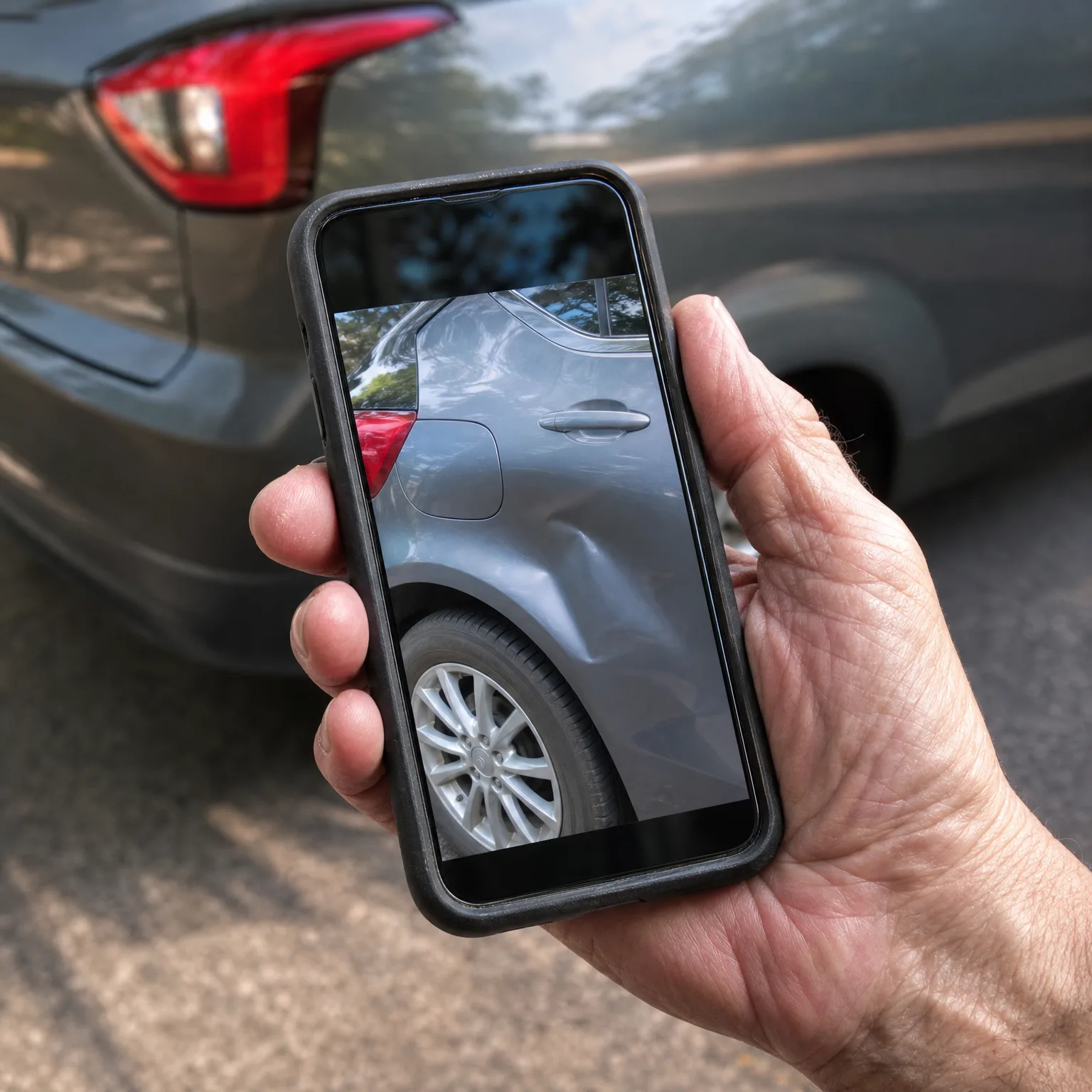
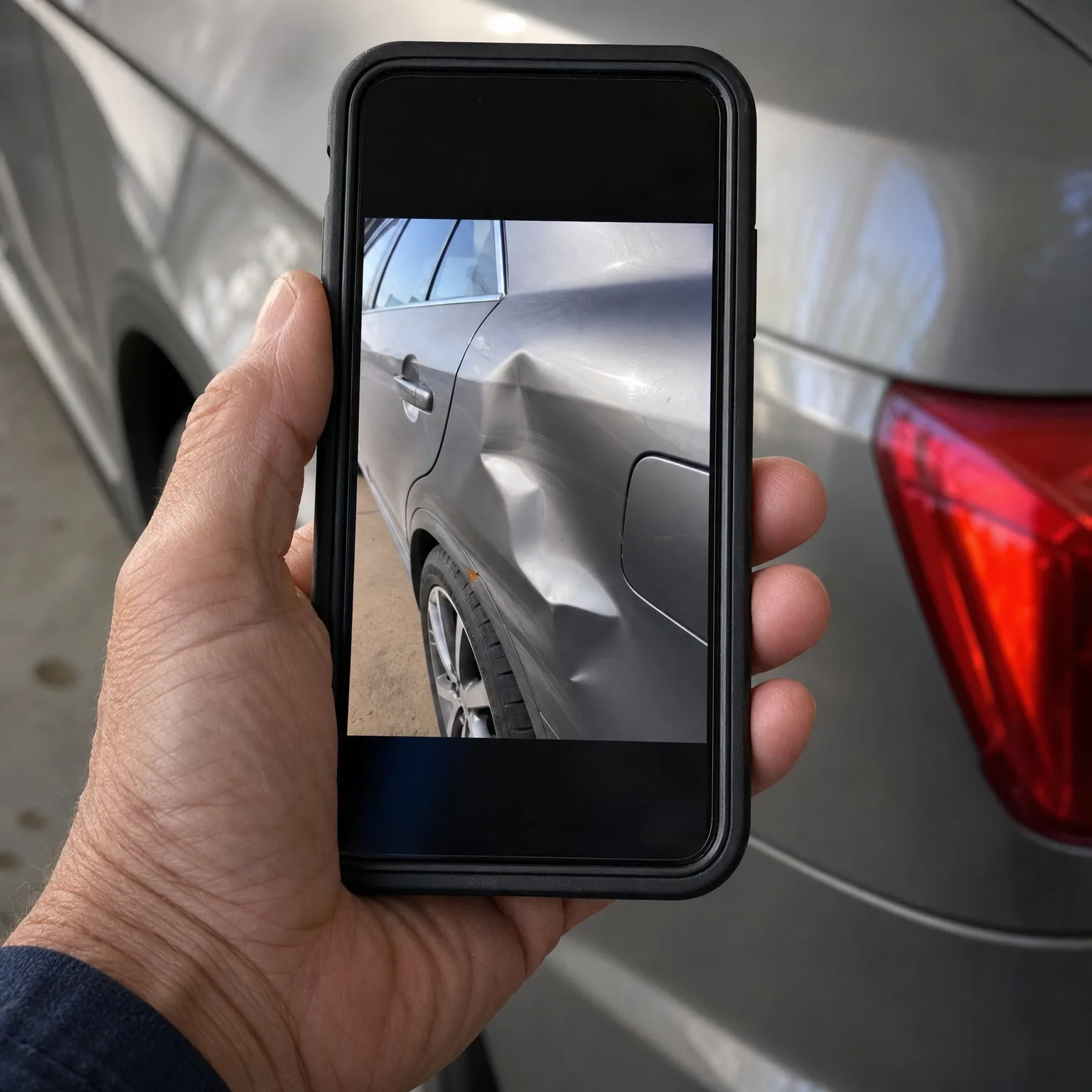
The same goes for wear the leasing company would otherwise charge you for. Scratches, interior wear, a cracked windshield. If you'd owe money for any of that at turn-in, buying the car means you keep it as is and never get that bill.
On the other hand, if you're well under your mileage limit and the car is in good shape, you have less to gain from buying and more reason to just walk away and shop for something else.
Check your lease agreement for the exact mileage allowance and the per-mile overage charge, then compare that to your odometer reading now.
What it costs to insure the car once you own it
While you're leasing, the leasing company usually requires higher coverage limits than you'd choose on your own. Once you buy the car, you can drop down to whatever coverage your state requires plus whatever you decide you want, which may lower your premium.
Your insurer will also want to know the car is now titled in your name instead of leased. That's a policy change worth making before you drive it as an owned vehicle, not after.
A car that's a few years old, which most lease-end cars are, often costs less to insure than it did when new. Ask your insurer for a quote on owning the car outright so you know the real number before you commit to buying it.
If you're deciding between buying this car and shopping for a different used car instead, get insurance quotes on both so the comparison is fair.
Questions people ask about this
Can I negotiate the buyout price on a lease?
Some leasing companies will negotiate, others won't. It depends on the lender, not on any rule that applies everywhere. Call the number on your lease statement and ask directly whether the payoff price is fixed or open to discussion.
What happens if I don't buy or return my leased car on time?
Most leases charge a daily fee once the term ends if you haven't returned the car or completed a purchase. Contact your leasing company before the end date to find out what that fee is and how much notice they need.
Do I need a new inspection before buying my leased car?
Check your state's rules, since inspection and title requirements differ depending on where you live. Your leasing company or your state's motor vehicle agency can tell you what's required to title the car in your name.
Should I get an independent appraisal before deciding to buy?
An independent appraisal or a few online valuation estimates can tell you what the car would actually sell for, which is the number you need to compare against the buyout price. A dealer or mechanic unaffiliated with the lease can also point out any issues affecting the car's value that you might not notice yourself.
Is it better to buy out the lease or finance a different used car?
That depends on how the buyout price compares to similar used cars on the market, plus the condition and mileage of the car you already know. A car you've driven and maintained yourself carries less uncertainty than a used car bought from a stranger, which is worth something even if the price is close.
If you decide to buy or keep driving this car, see what it would cost to insure before you sign anything.
Get the exact buyout figure from your leasing company this week, in writing, along with the deadline to act on it. Pull a couple of used car valuations for the same make, model, year, and mileage so you have a real number to compare it against. Check your lease for the mileage limit and any wear charges that would apply if you returned the car instead. Call your insurer and ask what your premium would look like if the car were titled in your name rather than leased. Once you have those numbers side by side, the decision usually makes itself.