New Car Replacement Coverage for Seniors
New car replacement coverage pays to replace a totaled newer car with a brand new one of the same make and model, instead of just paying its depreciated value.
What it pays for
Covers
- Full replacement cost If your car is totaled, you get the price of a new one instead of what your old one had depreciated to.
- No depreciation deduction The payout skips the usual subtraction for age and mileage that standard claims apply.
- Same or similar model The replacement is a new version of your car, or the closest current equivalent if yours is no longer made.
- Total loss from accident This applies when the car is damaged beyond repair in a collision, not for routine repairs.
- Total loss from other covered events Theft, fire, or storm damage that totals the car can also trigger this payout, depending on your policy.
Doesn't cover
- Mechanical breakdowns A failed transmission or engine isn't a covered loss here, that's a repair bill, not a claim.
- Partial damage you can fix If the car can be repaired, this coverage doesn't apply, regular repair coverage handles it instead.
- Cars past a certain age Most policies only offer this for cars under a set age or mileage, older cars usually don't qualify at all.
- Upgrades or added features The replacement matches your car's original trim, not any accessories or modifications you added later.
- Gap between loan and value That's a separate coverage for what you still owe, this one is about the car's value, not your loan balance.
Usually not worth it once the car is a few years old or paid off
This coverage earns its keep in a narrow window, right after you buy a new car and still owe close to what it's worth. Once the car ages past that window, most policies stop offering it anyway, so the question often answers itself.
If your car is paid off, think about what you'd actually lose in a total loss. You'd get its current value, not a new one, but you also aren't carrying a loan that outpaces that value. For many drivers at this age, that gap has already closed.
How much you drive matters too. A car that mostly sits in a garage and makes short trips to the store has less exposure to the kind of serious wreck or theft that triggers a total loss claim. A car that still logs long highway miles carries more of that risk.
What you could cover from savings is the real test. If losing the car and paying out of pocket for a replacement wouldn't strain you, this coverage is optional comfort. If it would, and your car still qualifies for it, it's worth pricing out.
How a claim actually goes
You still pay your deductible first, this coverage doesn't change that part. What changes is what happens after, the insurer pays for a new car of the same make and model rather than calculating your old car's depreciated worth.
After an accident or theft, you file a claim the same way you would for any total loss. An adjuster confirms the car is a total loss, not a repair, and confirms your policy's age and mileage limits still apply to your car.
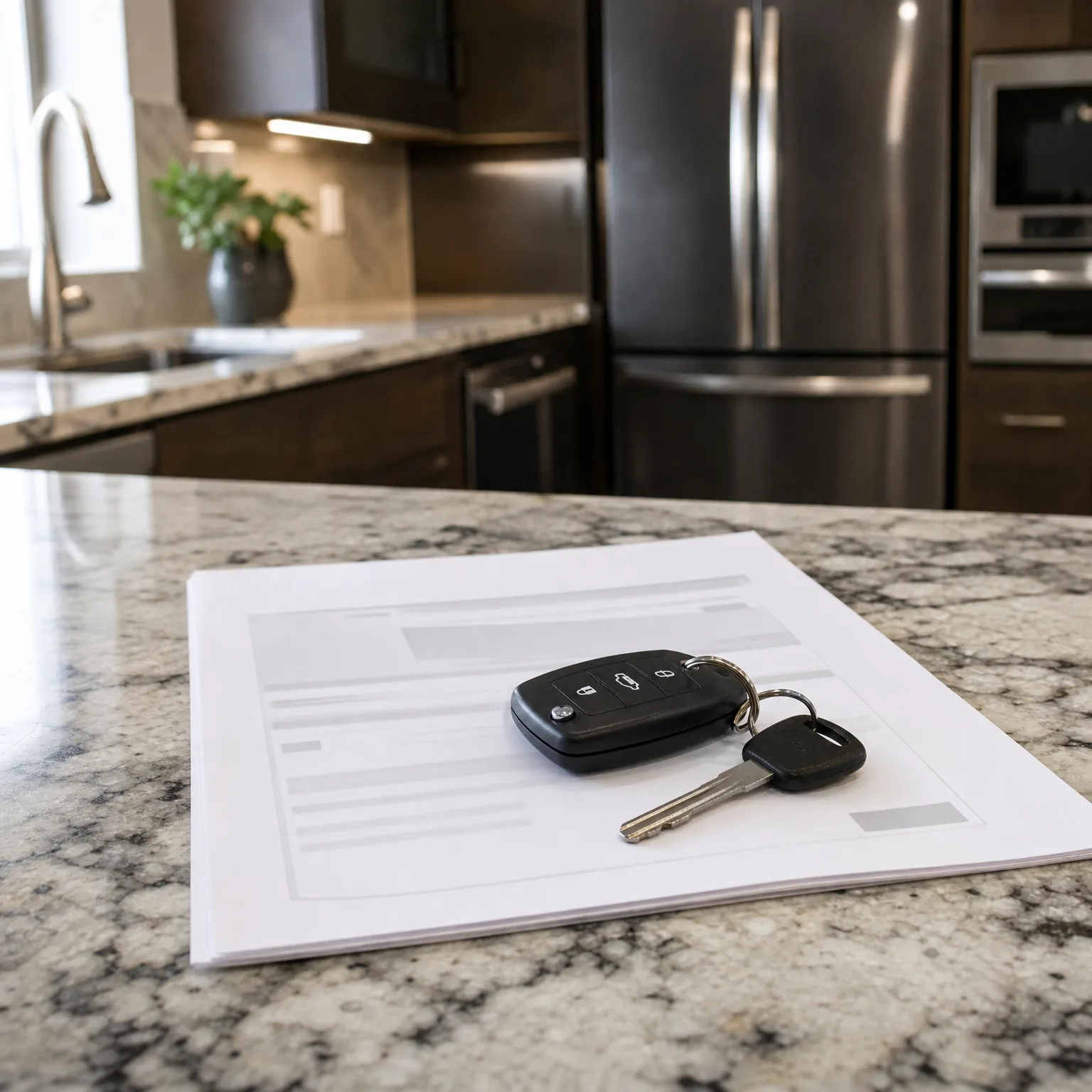
Have your original purchase paperwork and loan or lease details ready, along with maintenance records if you have them. These help establish the car's original condition and specs so the insurer can match the replacement correctly.
The payout covers the base replacement vehicle. It generally won't include aftermarket parts, custom work, or accessories you added after buying it, those are handled separately if you carry coverage for them.
Often confused with gap coverage
New car replacement coverage
This pays for a brand new car to replace a totaled one, based on what a new one costs today, not what your old one had depreciated to. It only applies to newer cars, usually within a set age or mileage limit.
Gap coverage
This pays the difference between what you owe on a loan or lease and what the car was actually worth at the time of loss. It matters most when you financed with a small down payment or a long loan term.
If you still owe more than the car is worth, lean toward gap coverage, if you own the car outright and want a newer replacement instead of today's value, this one fits better.
Real situations
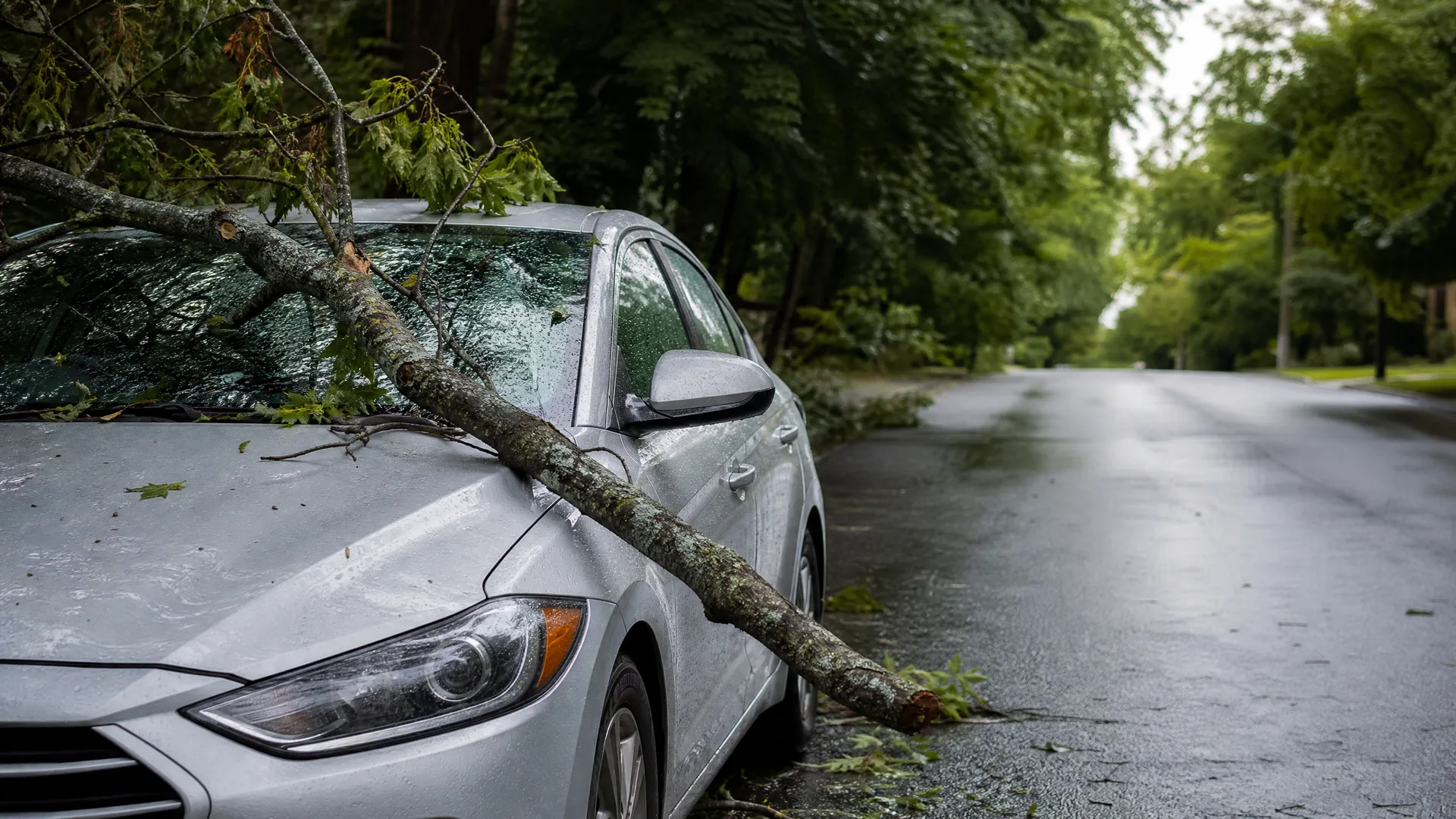
Your car is five years old and a tree limb falls on it during a windstorm while it's parked in your driveway, totaling it.
If your car no longer qualifies by age, this coverage won't apply, standard coverage would pay out its depreciated value instead.
You buy a new car and six months later a driver runs a light and totals it on the way home from a doctor's appointment.
This is the situation the coverage is built for, you'd get a new car instead of a payout reduced for depreciation.
A deer steps into the road at dusk on a county highway and your two year old car is totaled in the collision.
If the car still falls within your policy's age and mileage limits, this coverage would pay for a new replacement.
Once you know whether your car still qualifies for this coverage and whether you'd actually use it, you can compare quotes with that settled.
Questions people ask about this
How old can my car be and still qualify for this coverage?
It varies by policy, insurers set their own age and mileage cutoffs for this coverage. Check your current policy or ask directly, since many stop offering it after just a couple of years.
Does this coverage lower my payout if I have other damage too?
No, it only applies when the car is a total loss. Any separate repairable damage is handled under your regular collision or comprehensive coverage.
Can I add this coverage to a car I already own?
Sometimes, if the car still meets the insurer's age and mileage limits. Ask your agent whether your specific car still qualifies before assuming it does or doesn't.
Is this coverage required in my state?
This varies by state and by insurer, it's rarely required but availability differs. Check your policy declarations page or ask your agent directly.
Will this coverage replace my car with the exact same trim and features?
It aims for the same make and model, but not necessarily every option you had. Added features or aftermarket upgrades usually need separate coverage to be replaced.