Loan Payoff Coverage for Seniors
Loan payoff coverage pays the gap between what you owe on your car and what it's actually worth if it's totaled or stolen.
What it actually pays for
Covers
- The gap after a total loss If your car is declared a total loss, this pays the difference between the insurer's payout and what you still owe the lender.
- Negative equity from your loan If you rolled over debt from a previous car or financed with little down, this covers the amount that puts you underwater.
- Lease-end balances If you lease rather than own, a similar version of this coverage can cover what you owe when the car is totaled before the lease ends.
- Some loan fees Certain late payment charges or early termination fees tied to the loan may be included, depending on how the coverage is written.
- Theft without recovery If the car is stolen and never found, this works the same way it would for a crash that totals the car.
Doesn't cover
- Mechanical breakdowns A failing transmission or engine problem has nothing to do with a total loss and isn't touched by this coverage.
- Your deductible Most versions don't reimburse the deductible you pay on the physical damage claim itself, so you still owe that out of pocket.
- Damage from normal wear Dents, rust or interior wear that lower the car's value over time are ordinary depreciation, not something this coverage addresses.
- A car you own outright If there's no loan or lease balance, there's no gap to cover, so this coverage has nothing to pay.
- Replacing the car itself This settles what you owe the lender, not the cost of buying a replacement vehicle, which is a separate decision entirely.

Usually not worth it once the car is paid off or close to it
If you own your car outright, this coverage has nothing to do. There's no loan balance for it to cover, so paying for it is paying for nothing.
If you're still paying on a loan, the math depends on how upside down you are. A large down payment and a short loan term mean the gap between value and balance stays small, which makes this coverage less useful even while you're paying.
It matters more if you financed with little down, stretched the loan out over many years, or rolled over debt from an older car. Those situations widen the gap and make a total loss more expensive to absorb.
It also matters less if you could cover a shortfall from savings without much strain. Someone who drives rarely and keeps the car garaged faces lower odds of a total loss in the first place, which changes how much this coverage is really protecting against.
How a claim actually plays out
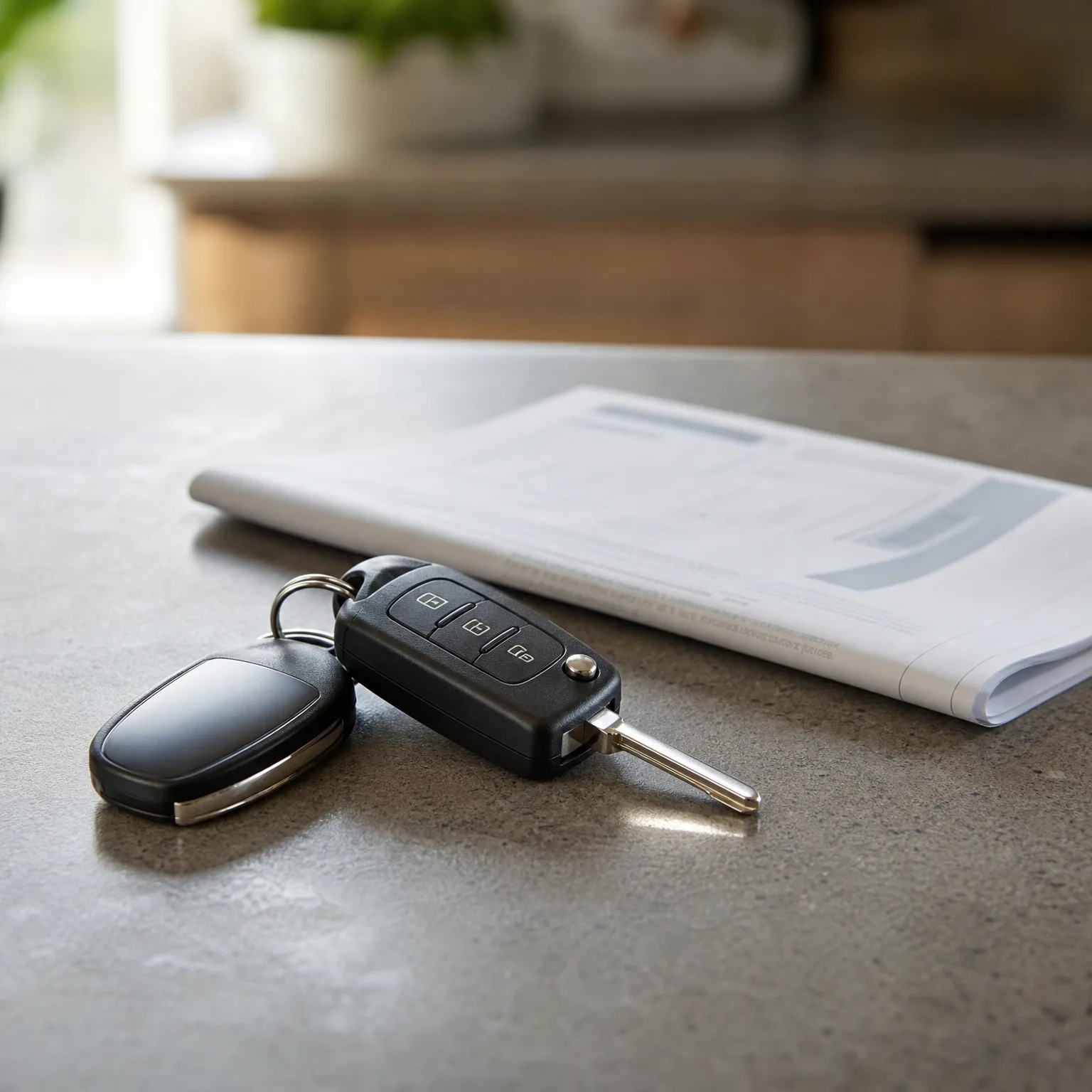
This coverage only comes into play after your physical damage claim is settled and the car is declared a total loss. The insurer first pays out the car's actual value, you pay your deductible, and then this coverage steps in to cover whatever is still owed on the loan beyond that payout.
You'll need your loan or lease payoff statement, and the insurer will usually contact your lender directly to confirm the remaining balance. Have your loan account number and recent statements ready, since this speeds things along.
The payment goes toward closing out the loan, not into your pocket. If there's money left over after the loan is paid off, some policies send the remainder to you, but that depends on how the coverage is written, so it's worth checking your own policy.
Loan payoff coverage versus comprehensive and collision
Loan payoff coverage
This only matters after a total loss, and only if you owe more on the car than it's worth. It covers the gap, not the underlying damage.
Comprehensive and collision coverage
These pay for the actual damage to your car, whether from a crash, weather, theft or an animal strike. They're what determines the car's payout in the first place, and loan payoff coverage can't exist without them.
If you're still financing the car and owe more than it's worth, keep both; if the car is paid off, collision and comprehensive still matter but loan payoff coverage doesn't.
Real situations
Your car is hit by hail while parked at church and the repair estimate comes in high enough that the insurer calls it a total loss.
Loan payoff coverage pays the gap between the payout and your loan balance, if you still owe more than the car was worth.
A deer runs into the road at dusk on a county highway and your car is totaled, but you paid off the loan two years ago.
This coverage pays nothing here because there's no loan balance left to cover.
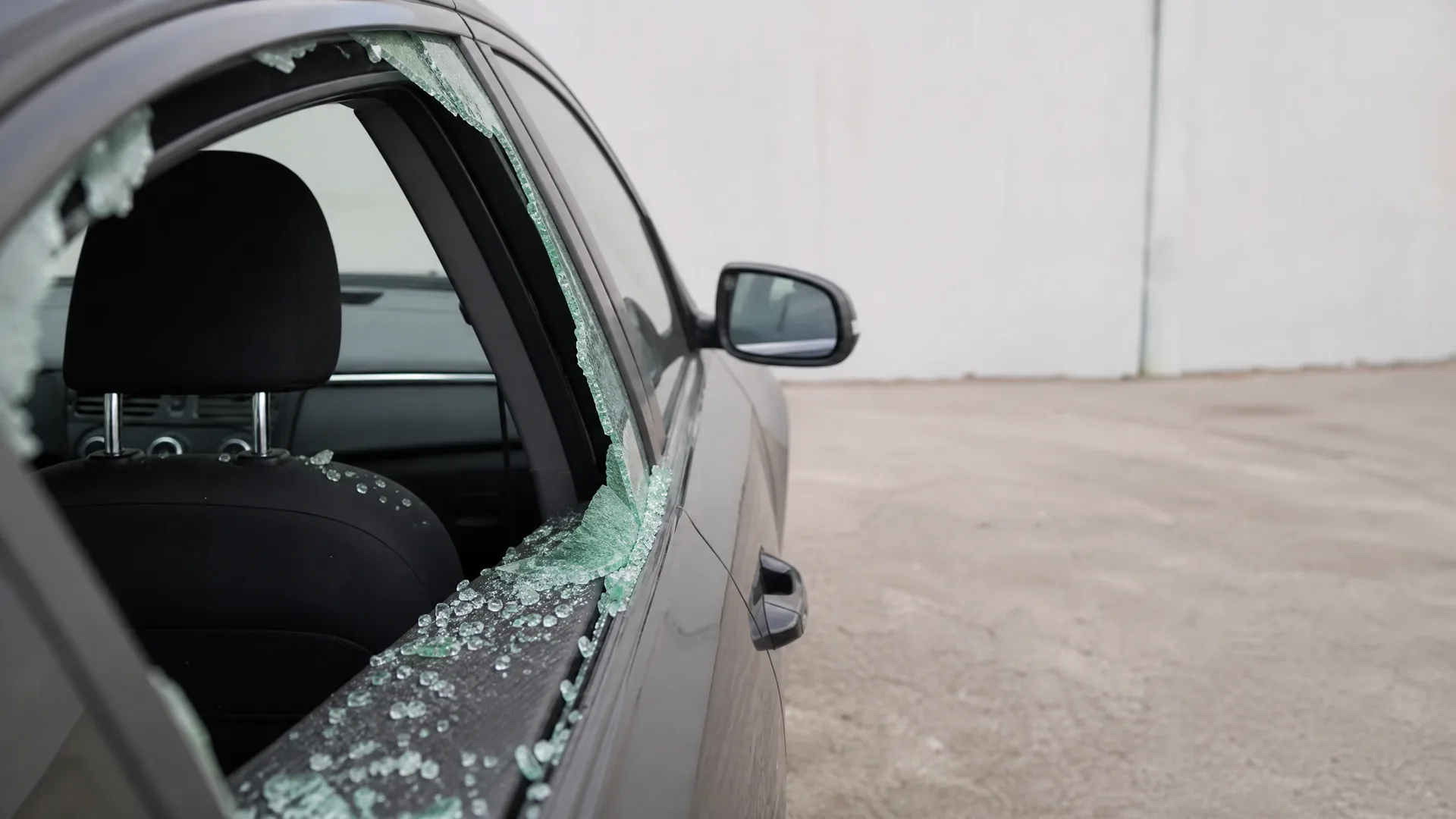
Your car is stolen from a shopping center parking lot and never recovered, and you're three years into a five-year loan.
Loan payoff coverage pays the difference if the loan balance is higher than the car's value at the time it was stolen.
Once you know whether you still owe more than your car is worth, you can compare quotes knowing whether this coverage belongs on your policy.
Questions people ask about this
How do I find out if I owe more than my car is worth?
Check your most recent loan statement for the payoff balance, then compare it to your car's current market value using a valuation guide. If the loan balance is higher, you have a gap this coverage would address. This gap shrinks over time as you pay down the loan, so it's worth checking again each year.
Can I add loan payoff coverage after I already bought the car?
Yes, in most cases you can add it at any point while you still carry a loan or lease on the vehicle. Contact your insurer to ask about adding it to your current policy. Some insurers set a window after you first finance the car, so check whether that applies to you.
Does loan payoff coverage affect my insurance rate much?
It typically adds a modest amount to your premium, since it only pays out in total loss situations where you're underwater on the loan. How much it affects your rate depends on your insurer and your loan situation. Ask for a quote with and without it so you can see the difference directly.
What happens to loan payoff coverage once I pay off my car?
It becomes unnecessary once there's no loan balance left, since there's no gap for it to cover. Most insurers will remove it automatically or let you remove it once you confirm the loan is paid off. It's worth checking your policy at that point rather than continuing to pay for coverage you no longer need.
Is loan payoff coverage the same thing on every policy?
No, how it's named and structured can vary by insurer and by state. Some call it by a different name and some bundle slightly different features into it. Read the specific terms on your own policy rather than assuming it works exactly as described elsewhere.