Gap Insurance on a New Car
Gap insurance pays the difference between what you owe on a new car loan or lease and what the car is worth if it's totaled or stolen and never recovered.
What gap insurance pays for
Covers
- The loan balance gap If the payout from your regular coverage is less than what you still owe, gap coverage pays that remaining balance.
- Early depreciation loss A new car loses value the moment it leaves the lot, and gap coverage is built around that first steep drop.
- Total loss situations It only comes into play when the car is declared a total loss or isn't recovered after theft, not for repairs.
- Lease-end payoff On a leased car, it covers what you'd still owe the leasing company under the terms of the lease.
- Rolled-over debt from a prior loan If an old loan balance was rolled into your new car loan, gap coverage usually still counts that as part of what you owe.
Doesn't cover
- Your deductible Gap coverage doesn't erase your deductible, that part still comes out of your pocket unless your policy says otherwise.
- Repairs If the car can be fixed, this coverage doesn't apply at all, repair costs are handled by your collision coverage.
- A rental car while yours is replaced That's a separate coverage, and gap insurance has nothing to do with getting you a car in the meantime.
- Late payments or added fees Any late fees, extended warranties, or missed payments rolled into your loan generally aren't part of what gets paid.
- Mechanical breakdown This only responds to a covered loss like an accident or theft, not a car that stops running on its own.
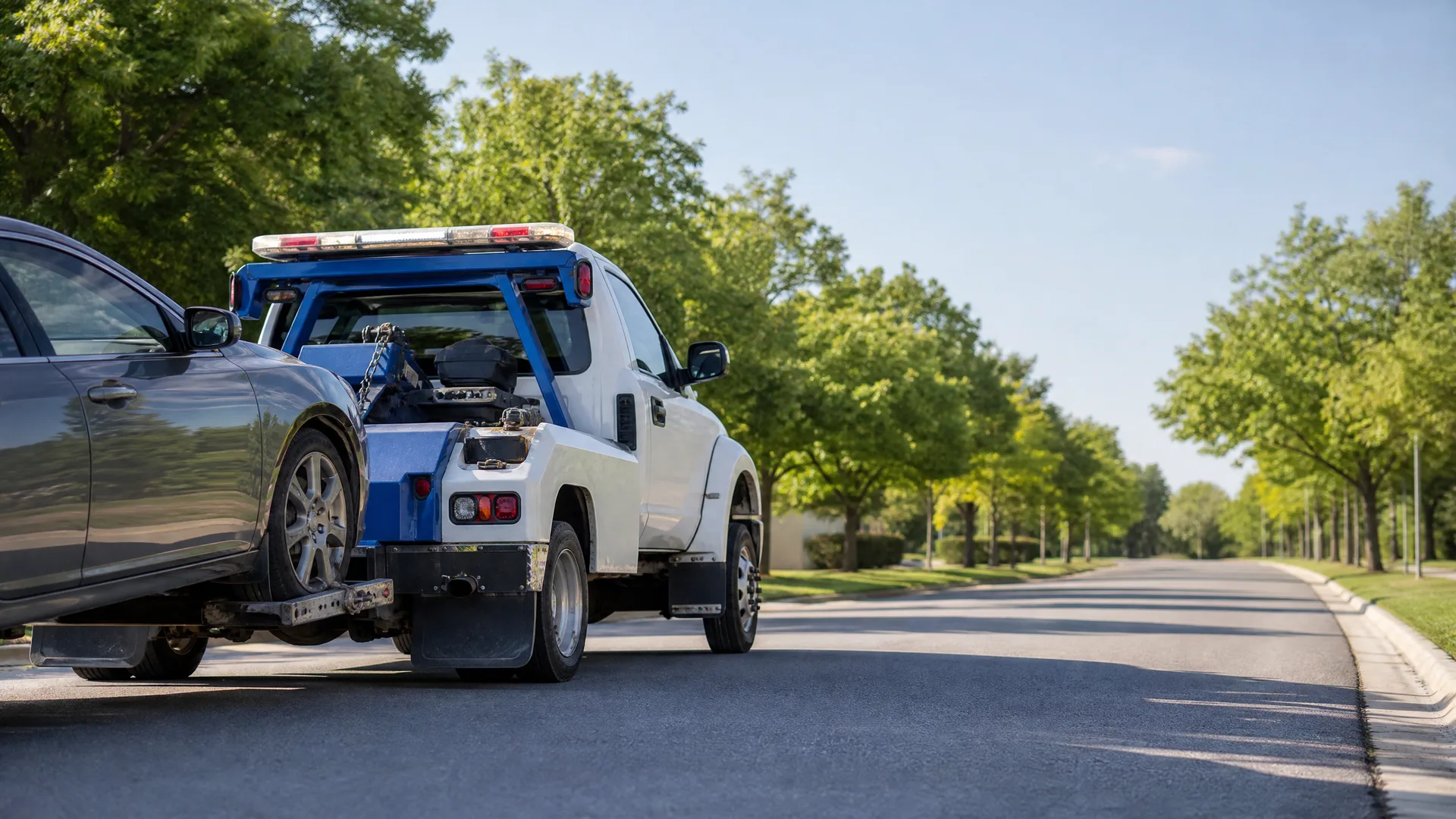
For most drivers this age, it's not worth keeping for long
Gap insurance earns its keep in the early years of a loan, when you owe more than the car is worth. Once you've paid down a meaningful chunk of the loan, or put a large down payment in at the start, that gap closes fast and the coverage has little left to do.
If you paid cash or the car is paid off, there's no loan balance to protect, so gap insurance has no job to do at all.
What matters more at this age is what losing the car would mean for your budget. If you could cover a shortfall from savings without much strain, this coverage is a convenience, not a necessity. If a sudden gap between payout and payoff would be a real hit, it's worth the cost until that loan balance catches up with the car's value.
How much you drive and where the car sits matter too. A car driven often on highways or left outside overnight carries more risk of a serious claim than one driven occasionally and garaged, and that shifts the math a little in favor of keeping the coverage longer.
How a gap claim actually plays out
Your regular collision or comprehensive coverage pays first, based on the car's value at the time of loss, and your deductible comes out of that payment as usual. Gap coverage only steps in after that, to cover whatever is still owed on the loan or lease beyond what your other coverage paid.
You'll need your loan payoff statement, the settlement paperwork from your primary insurer, and proof of what you still owed on the car. The insurer handling the gap claim uses those numbers to calculate what, if anything, is left to pay.
It doesn't hand you cash directly in most cases, the payment usually goes straight to the lender to close out the loan. Once that's settled, you walk away without a loan on a car you no longer have, which is the whole point of carrying it.
Gap insurance vs. new car replacement coverage
Gap Insurance
Gap insurance pays off what you still owe on the loan after a total loss, based on the car's depreciated value at the time. It only fills the space between the payout and the payoff, nothing more.
New Car Replacement Coverage
This pays to replace your totaled car with a brand new one of the same make and model, regardless of depreciation. It's usually only available for cars still within their first year or two.
If your car is still new enough to qualify, replacement coverage is the stronger option, otherwise gap insurance is what protects you from owing money on a car you no longer have.
Real situations
Your car is stolen from a parking lot and never found, three years into a five-year loan.
Gap coverage pays, since there's likely still a balance left between the car's value and what you owe.
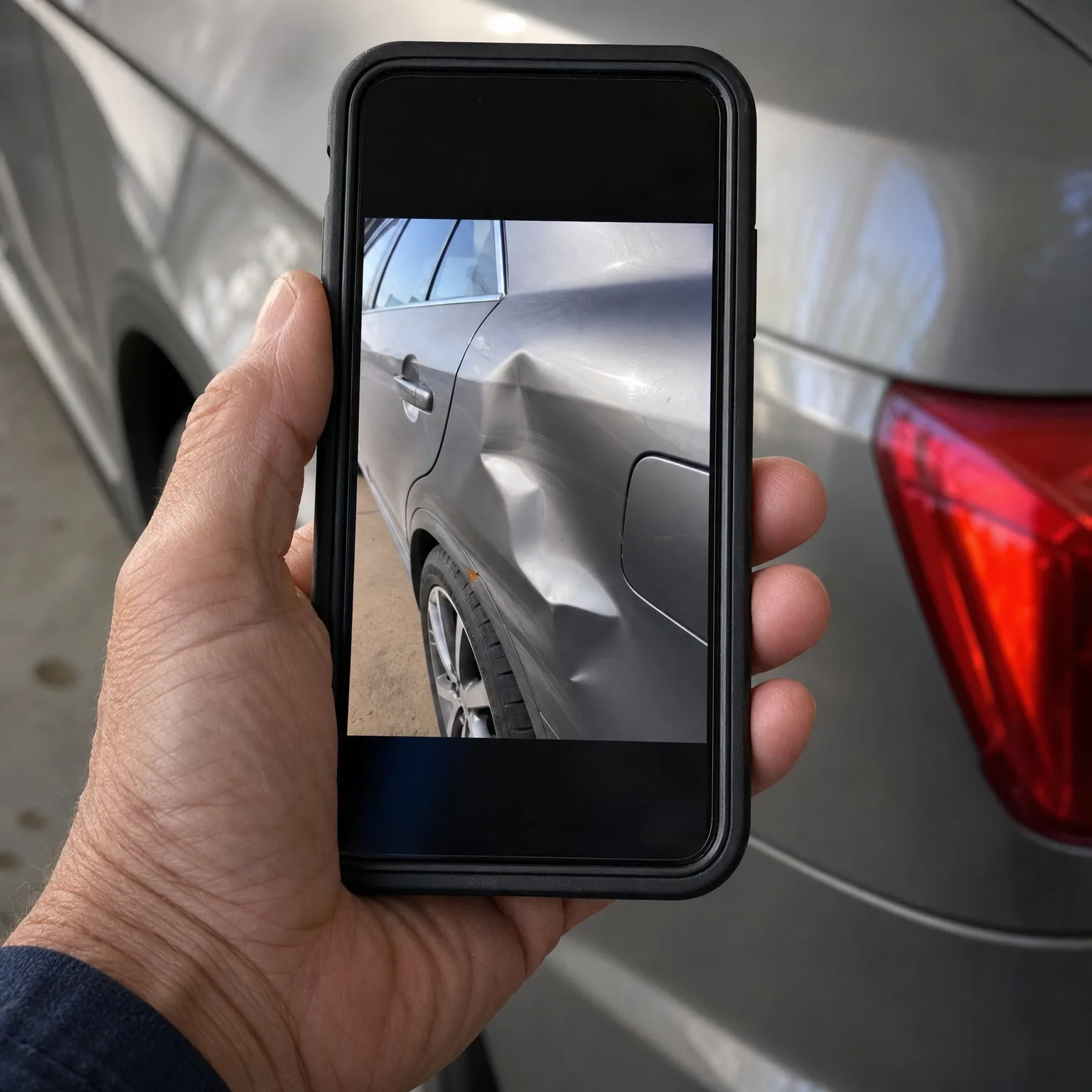
A hailstorm dents the hood and roof while your car is parked at church, but the car still runs fine.
Gap coverage doesn't apply here, this is a repair covered by your comprehensive coverage, not a total loss.
You hit a deer at dusk on a county road and the car is declared a total loss, but you'd already paid off the loan.
Gap coverage has nothing to pay out, since there's no loan balance left to cover.
Once you know whether gap coverage still fits your loan and your budget, you're ready to compare quotes with that decision already made.
Questions people ask about this
Do I need gap insurance if my car is paid off?
No, gap insurance has nothing to protect once there's no loan or lease balance left. It only covers the difference between a payout and what's owed, so a paid-off car has no gap to fill. Check your policy to make sure you're not still being charged for it.
Can I cancel gap insurance anytime?
Usually yes, you can drop it once you no longer need it. Many policies let you cancel it the same way you'd adjust any other coverage, though if it was bundled into a loan at purchase, check with the lender about how a refund or adjustment works. It varies by state and by how it was set up.
Is gap insurance required by law?
Not generally, though some lenders or leasing companies require it as a condition of the loan. Whether it's required in your situation depends on your lender's terms rather than any general rule. Check your loan or lease agreement to see if it's listed as mandatory.
How long should I keep gap insurance on a new car?
Keep it until the loan balance drops below the car's actual value, which is usually within the first few years. After that point there's no gap left to cover, so the coverage stops doing anything useful. Reviewing your loan balance against the car's value periodically is the simplest way to know when to drop it.
Does my regular car insurance already include gap coverage?
Usually not automatically, it's typically a separate add-on you choose when you buy or lease the car. Standard collision and comprehensive coverage only pay the car's value at the time of loss, not what you still owe. Check your declarations page or ask your insurer directly to see if it's already included.