Gap Insurance on a Fixed Income
Gap insurance pays the difference between what you owe on a car loan or lease and what the car was actually worth if it's totaled or stolen.
What it actually pays for
Covers
- The loan balance gap If the payout from your regular insurance is less than what you still owe, gap coverage pays that remaining balance to the lender.
- Total loss situations only It only applies when the car is declared a total loss or stolen and never recovered, not for repairs.
- Lease-end shortfalls On a leased car, it covers the difference between the insurance payout and what the lease agreement says you owe.
- Negative equity from rolled-over loans If you rolled debt from an old car into a new loan, gap coverage can cover that extra amount too.
- Taxes and fees sometimes included Some policies extend the payout to cover certain taxes or fees tied to the loan, depending on how the policy is written.
Doesn't cover
- Your deductible Gap insurance doesn't pay your deductible, that part still comes out of your pocket or gets handled separately.
- Repairs after an accident If the car can be fixed, gap coverage doesn't apply at all, that's a repair claim under your regular coverage.
- A car you own outright If there's no loan or lease, there's no gap to cover, since the payout goes straight to you.
- Mechanical breakdowns Gap insurance has nothing to do with engine trouble or parts wearing out, that's a separate kind of contract entirely.
- The full value of the car It only covers the gap between the loan balance and the insurance payout, not the car's value itself.
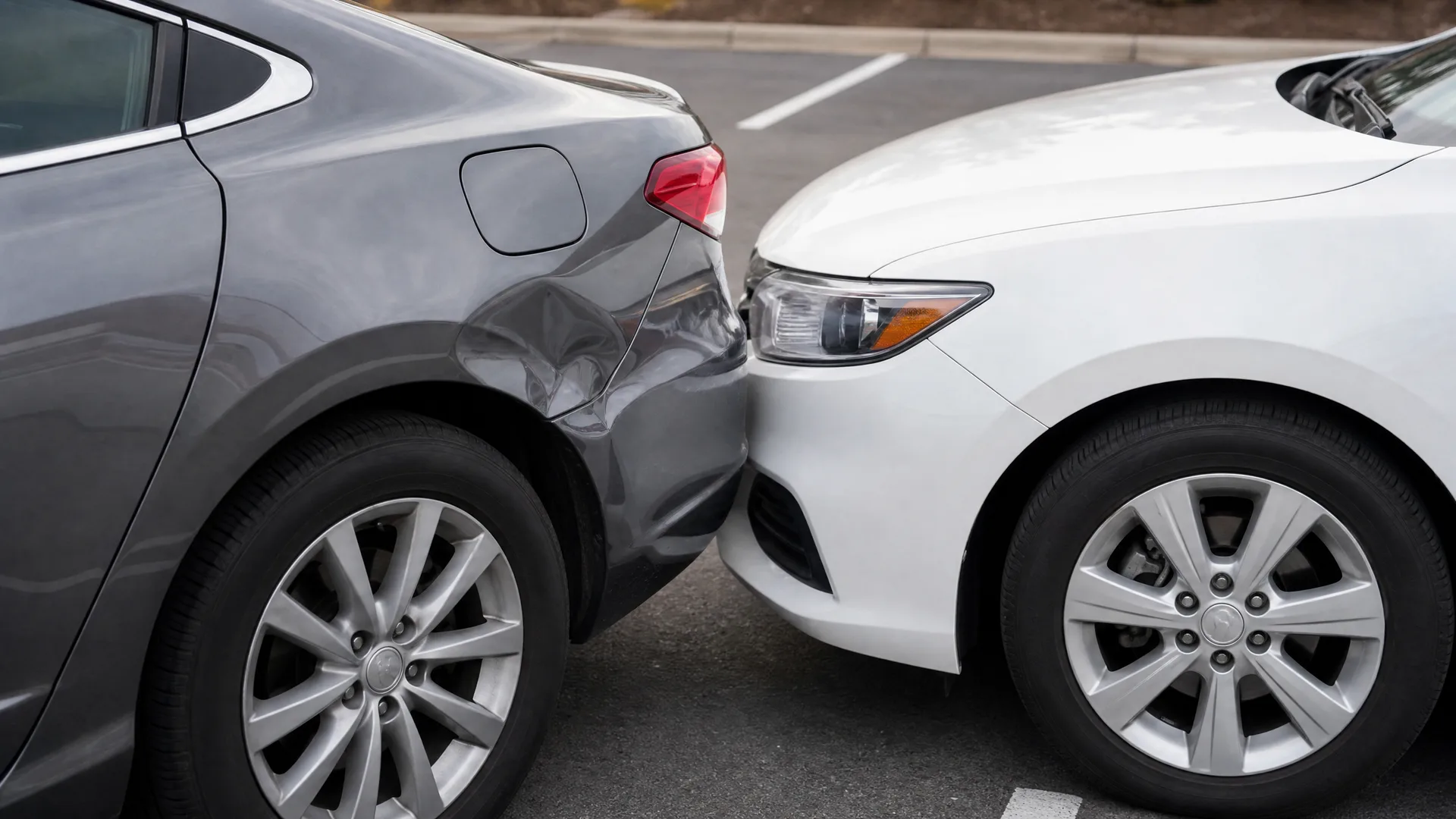
Most older drivers with a paid-off car don't need this
Gap insurance exists to protect a loan balance that's larger than the car's value. If your car is paid off, there is no loan, so there's no gap to fill. This is the single biggest reason this coverage stops making sense as people get older.
If you still have a loan or a lease, look at how new the car is and how much you put down. Gap coverage matters most in the first few years of a loan, when the car's value drops faster than the balance does. Once you're past the midpoint of the loan, the gap usually shrinks or disappears on its own.
Think about what you could absorb from savings if the insurance payout came up short. Someone who could write a check to cover the difference has less need for this coverage than someone who'd have to borrow again or go without a car. That's a fixed-income question as much as an insurance one.
Also consider how the car is used and where it sits. A car driven rarely and kept in a garage carries less risk of a total loss than one driven daily on busy roads or left outside. That doesn't eliminate the need for gap coverage if you still owe money, but it's part of the full picture.
How a gap claim actually goes
A gap claim only starts after your regular insurer settles the total loss and pays out the car's value, minus your deductible. The gap insurer then looks at what's left owing on the loan or lease and pays that remaining amount directly to the lender, not to you.
You'll need your loan or lease statement showing the exact payoff amount, along with the settlement paperwork from your regular insurer. Having these ready speeds things along, since the gap insurer is essentially filling in a number between two other documents.
The payment covers the loan shortfall only. It doesn't cover your deductible, it doesn't give you extra money for a replacement car, and it doesn't cover any fees for being late on payments during the claims process. Once the lender is paid off, the loan is closed and that's the end of it.
Gap insurance versus new car replacement coverage
Gap Insurance
Gap insurance pays the difference between the insurance payout and what you still owe on the car. It only matters if there's an outstanding loan or lease balance.
New Car Replacement Coverage
This pays to replace a totaled car with a brand new one of the same model, regardless of what you owe. It applies even if the car is paid off, as long as it's recent enough to qualify.
If your car is paid off, replacement coverage is the one that could still help you, while gap coverage would do nothing for you.
Real situations
Your car is three years into a five-year loan when it's stolen from a parking lot and never found.
Gap insurance would pay the difference between the payout and your remaining loan balance.
A hailstorm damages the hood and windshield while your car is parked at church, but the car is repairable.
Gap insurance doesn't apply here since this is a repair, not a total loss.
You hit a deer at dusk on a county road and the car is declared a total loss, but you own it outright with no loan.
Gap insurance wouldn't pay anything because there's no loan balance to cover.
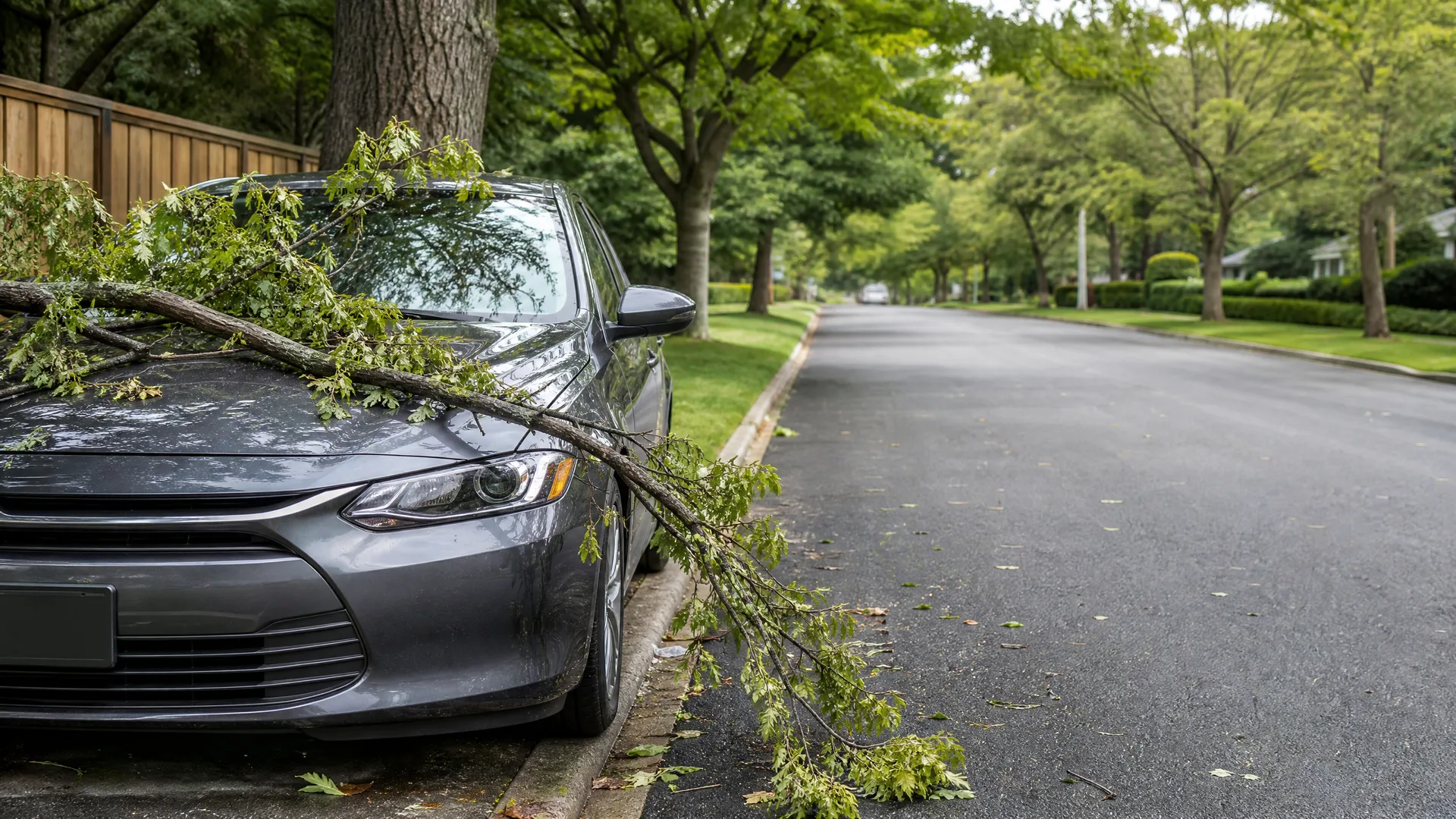
Once you know whether a loan balance still needs covering, you can compare quotes with that decision already settled.
Questions people ask about this
Does gap insurance cover my deductible?
No, gap insurance never covers your deductible. That amount is set by your regular policy and comes out of your pocket regardless of whether gap coverage applies. Some lenders offer separate deductible waiver products, which are different from gap insurance entirely.
Can I cancel gap insurance after I've had the car a few years?
Yes, in most cases you can drop gap coverage once your loan balance is close to or below the car's value. Check your loan statement against what similar cars are selling for to see where you stand. Your insurer or lender can tell you how to remove it from the policy.
Does gap insurance follow the car or the loan?
It follows the loan or lease, not the car itself. If you pay off the loan or sell the car, the gap coverage tied to that loan no longer applies. If you take out a new loan on a different car, you'd need to set up gap coverage again if you want it.
Is gap insurance required by my lender?
Some lenders require it as a condition of the loan, especially for little or no money down, while others leave it optional. Whether it's required often depends on your state and the specific lender. Check your loan agreement or ask your lender directly.
What happens to gap insurance if I refinance my car loan?
Refinancing usually ends the old gap policy since it was tied to the original loan terms. You'd need to check whether your new loan requires gap coverage and set up a new policy if so. The payoff amount and loan balance will be different under the new terms, so the gap itself may have changed too.