Gap Insurance After Retiring
Gap insurance pays the difference between what your car is worth and what you still owe on it if the car is totaled or stolen.
What gap insurance pays for
Covers
- Loan balance shortfall If the car is totaled and your loan payoff is higher than the car's value, this covers that difference.
- Lease-end payoff gap If you lease and the car is totaled, it covers what you'd still owe under the lease contract.
- Total loss from accidents It applies when your own insurer declares the car a total loss after a covered accident.
- Total loss from theft If the car is stolen and never recovered, gap coverage works the same way it would after a wreck.
- Rolled-over negative equity If you financed a new loan with leftover balance from an old car, that rolled-in amount is often covered too.
Doesn't cover
- Repairs after an accident Regular collision coverage pays for repairs, gap insurance only applies when the car is a total loss.
- Your deductible You still owe your collision or comprehensive deductible before anything else gets paid.
- Mechanical breakdowns Engine or transmission failure isn't a covered loss here, that falls under a warranty or separate breakdown coverage.
- A car you own outright With no loan or lease, there's no gap to cover, your insurer simply pays the car's value.
- Diminished value after repair If the car is fixed rather than totaled, any drop in resale value isn't something gap insurance touches.
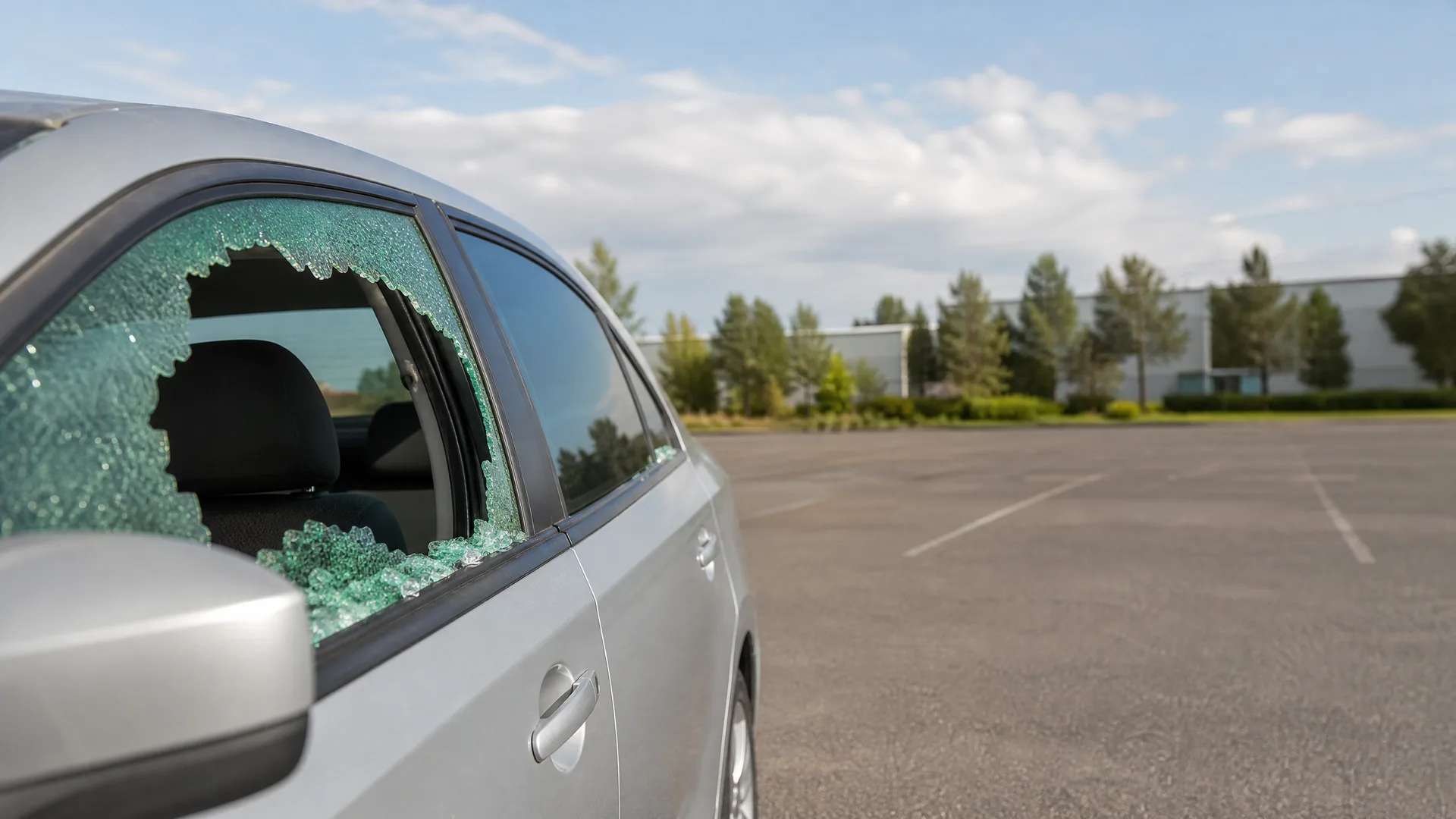
Most retirees paying off a car outright don't need this coverage
Once a car is paid for, there's no loan balance to fall behind on, so gap insurance has nothing left to do. Your insurer pays what the car was worth, and that's the end of it. This is the most common reason people this age are still paying for coverage that no longer applies to them.
If you still owe money on the car, the math changes. A newer car loses value fast in the first few years, and if you financed a large share of the purchase price, you could owe more than the car is worth for a while. That's exactly the gap this coverage exists to close.
How much you drive and where the car sits matter too. A car that mostly sits in a garage and takes occasional trips to church or the grocery store carries less risk of a total loss than one driven daily on highways. That doesn't rule gap insurance in or out by itself, but it's worth weighing against what you'd actually lose.
Think about what you could absorb from savings without much trouble. If a sudden four or five thousand dollar gap between payoff and value wouldn't change your month, the coverage is optional comfort. If it would mean dipping into money set aside for something else, it's doing real work for you.
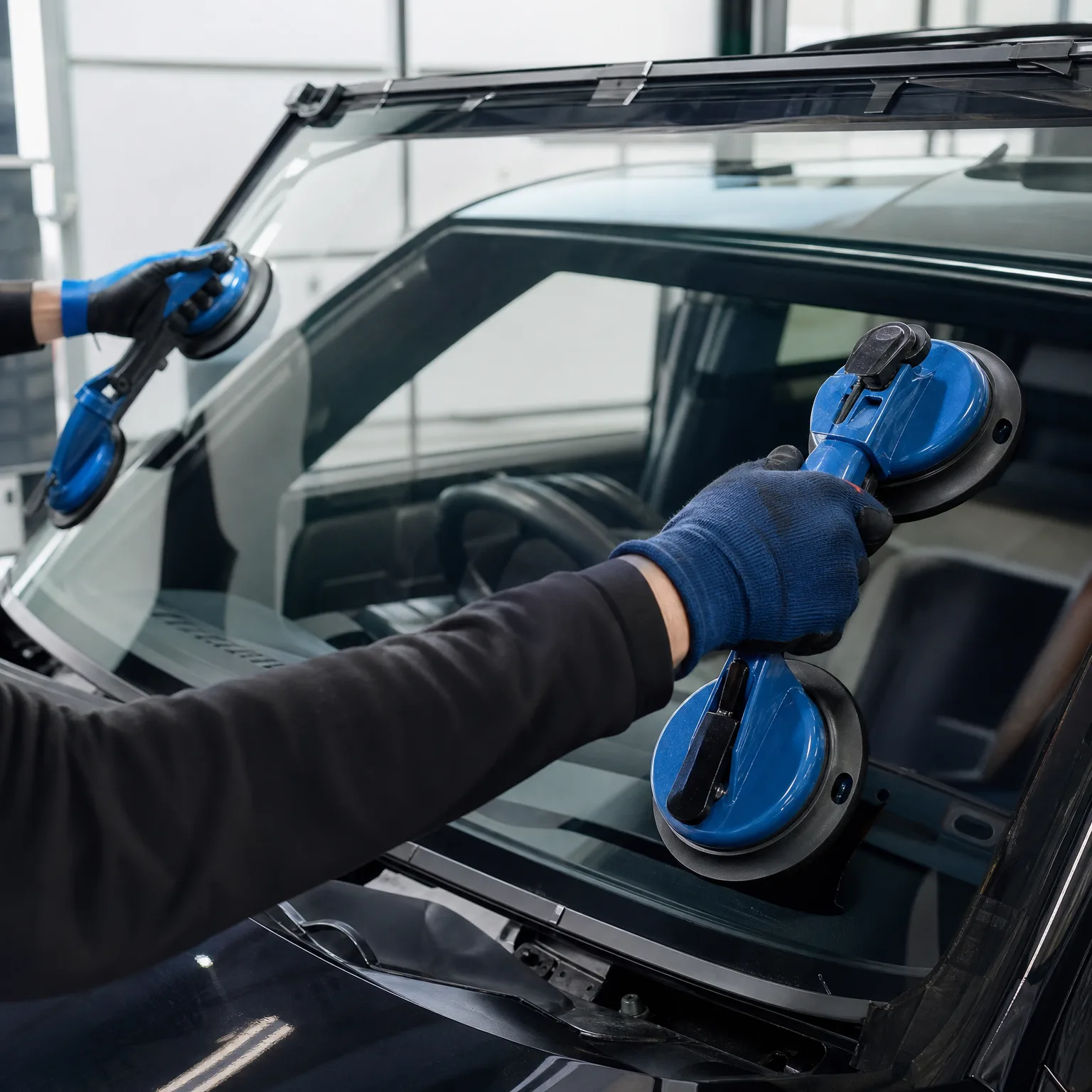
How a gap claim actually works
A gap claim only starts after your insurer has already settled your collision or comprehensive claim and agreed the car is a total loss. You pay your regular deductible first, then your insurer pays the car's value, and gap coverage pays the remaining loan or lease balance on top of that.
You'll need your loan or lease payoff statement, your insurer's total loss valuation, and proof of your payments. The gap insurer compares the payoff amount to what your auto insurer already paid and covers the difference, often paying the lender directly rather than you.
What it won't cover is any late fees, extended warranties you financed into the loan, or extra money you added to the loan for unrelated reasons, unless your policy specifically includes those. Ask ahead of time exactly what's included so there's no surprise if you ever need to file.
Gap insurance vs. new car replacement coverage
Gap Insurance
Gap insurance pays the difference between your car's value and what you still owe. It only matters if there's a loan or lease balance involved.
New Car Replacement Coverage
This pays to replace a totaled car with a brand new one of the same model, regardless of what you owe. It's usually limited to cars under a certain age and is not available everywhere.
If you own your car outright, neither applies, but if you're financing a newer car and want it replaced rather than just paid off, replacement coverage goes further than gap insurance.
Real situations
A hailstorm hits while your car is parked in the church lot and leaves the roof and hood dented beyond repair.
Gap insurance pays if the car is declared a total loss and you still owe more than it's worth.
A deer runs into the road at dusk on a county highway and your paid-off sedan is totaled.
Gap insurance doesn't apply here since there's no loan balance to cover.
Your financed car is stolen from a shopping center parking lot and never recovered.
Gap insurance pays the difference between the loan payoff and the car's value, once your insurer settles the theft claim.
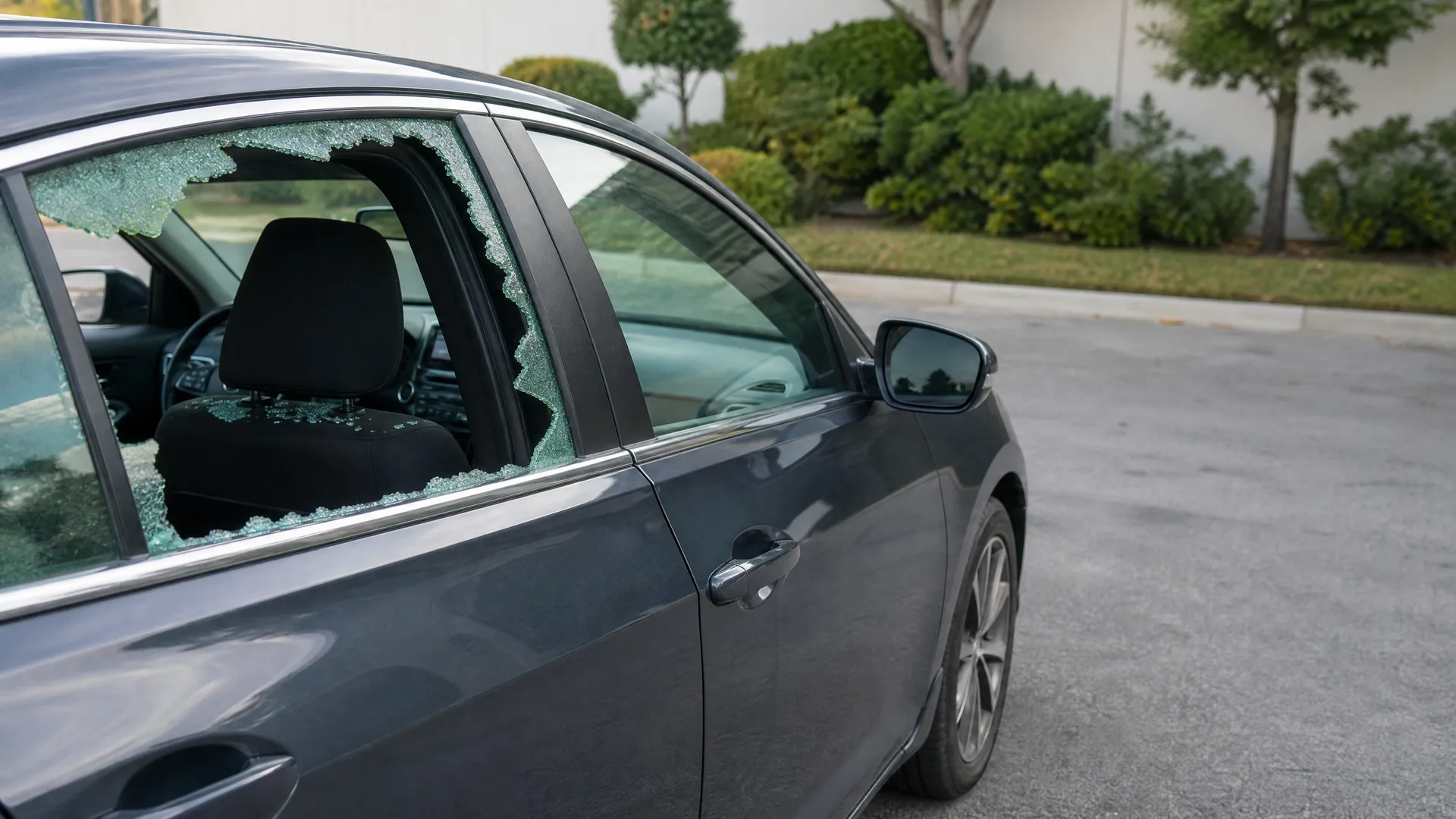
Once you know whether you still owe enough on your car to need this coverage, compare quotes with that answer already settled.
Questions people ask about this
Can I cancel gap insurance after I pay off my car?
Yes, you can cancel it once there's no loan or lease balance left to cover. Contact whoever sold you the coverage, since it may have been added through your lender rather than your auto insurer. Some policies refund part of what you paid for the unused time.
Does gap insurance follow the car or the loan?
It follows the loan or lease, not the car itself. If you pay off the loan early or refinance, the original gap coverage tied to that loan no longer applies and needs to be reviewed.
Is gap insurance required to get a car loan?
It depends on the lender, and whether it's required or just offered varies by state and by lender policy. Some lenders require it for newer cars with small down payments, others simply offer it as an option. Check your loan paperwork to see what was actually required versus added.
Can I get gap insurance on an older car?
Many insurers limit gap coverage to cars under a certain age or mileage, so an older car may not qualify at all. Check with your insurer directly, since the cutoff varies by company. If your car doesn't qualify, that's a sign you likely don't need it anyway.
Does gap insurance cover a car I bought used?
Yes, as long as there's a loan or lease involved and the car meets your insurer's age and mileage limits. Used cars can lose value quickly too, especially in the first couple of years after purchase. Ask your insurer whether your specific used car qualifies before assuming it does.