Gap Insurance After a Spouse Dies
Gap insurance pays the difference between what you owe on a car loan and what the car is actually worth if it's totaled, and losing a spouse doesn't change what it covers, though it may change whether you still need it.
What gap insurance actually pays for
Covers
- The loan balance gap If the car is declared a total loss, this pays what's left on the loan after the regular payout, so you're not stuck paying for a car you no longer have.
- Loans transferred after a death If the loan or lease was retitled or refinanced into the surviving spouse's name, the coverage still applies as long as it's listed on the current policy.
- Leased vehicles too Most lease agreements require this coverage or something like it, and it works the same way, covering what's owed to the leasing company beyond the car's value.
- Negative equity rolled into a new loan If an old loan balance was rolled into a newer car's financing, this covers that rolled-over amount too, not just the newer debt.
- One vehicle at a time The coverage applies to the specific car named on the policy, so if a household has two cars and only one has a loan, only that one needs it.
Doesn't cover
- The deductible on your main policy Gap coverage fills the space between the car's value and the loan, but it doesn't pay your deductible, which comes out of your pocket first.
- Repairs after an accident If the car can be fixed, this coverage does nothing, since it only pays out when the car is declared a total loss.
- A car that's paid off Once there's no loan or lease balance, there's no gap to cover, so this coverage has nothing left to do.
- Mechanical breakdown A blown engine or transmission isn't a covered loss under any auto policy, gap or otherwise, and needs a separate warranty or repair plan.
- Funeral or final expenses Nothing about this coverage relates to the death itself, it only concerns the car loan, and other policies handle those costs.
Whether to keep it depends more on the car than on anything else
The real question is simple: does anyone still owe more on this car than it's worth. Once a loan is paid down enough, or the car itself has dropped in value more slowly than the loan, the gap closes and the coverage has nothing left to protect.
If a spouse's death changed how the car is financed, that's worth checking directly. A loan that was refinanced into one name, or a lease that got renegotiated, can shift the numbers enough to matter.
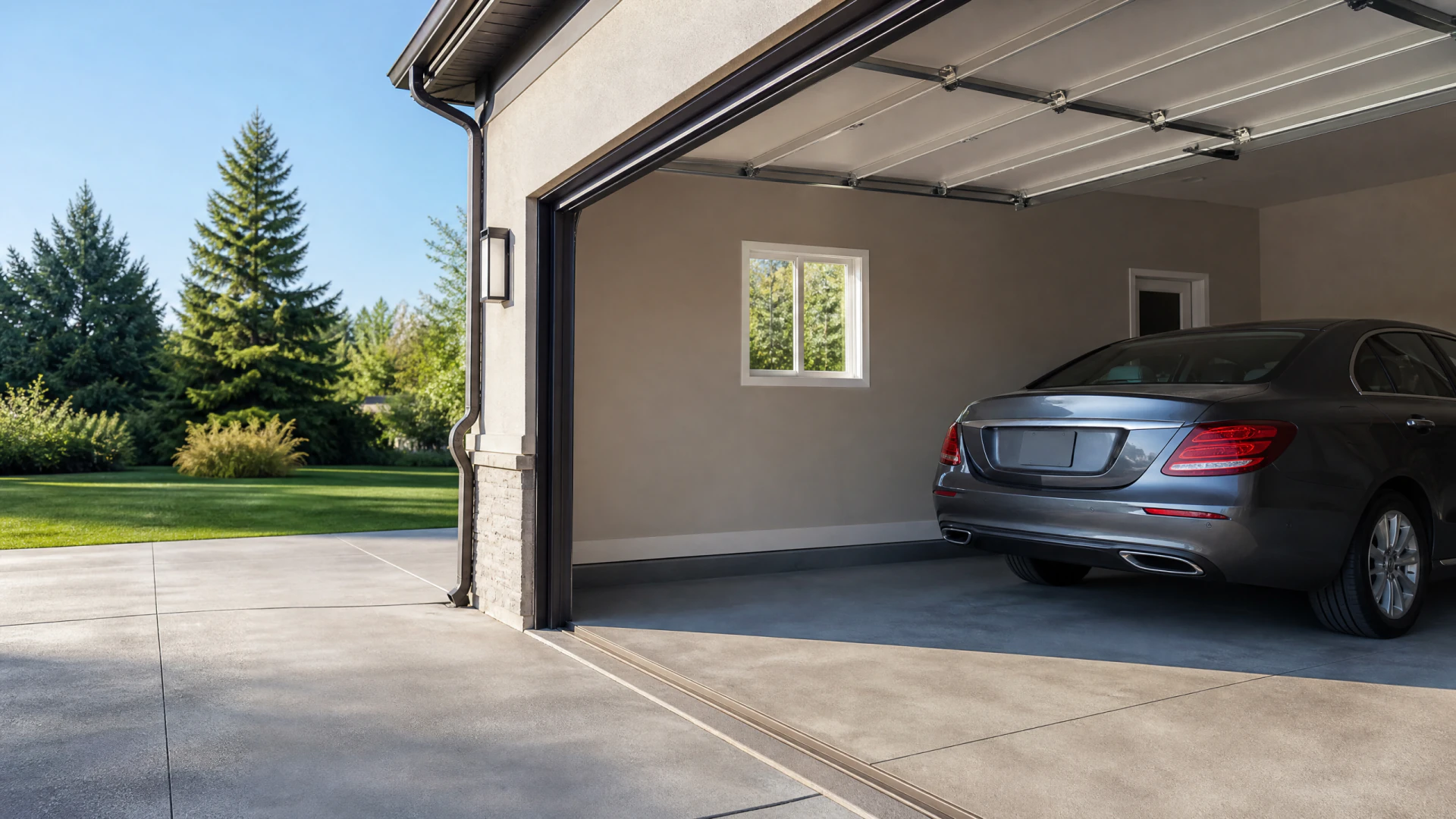
How much you drive and where the car sits matter too. A car driven rarely and kept in a garage carries less risk of a sudden total loss than one on the road every day in weather or traffic.
If you could cover the gap yourself from savings without much strain, the coverage is more of a convenience than a necessity. If a total loss would be a real financial setback, it's worth keeping until the loan and the car's value line up.
What happens when you actually use it
A claim starts the same way any total loss claim does. The insurer determines the car's value, your regular coverage pays that amount minus your deductible, and then the gap coverage pays the remaining loan balance on top of that.
You'll want the loan or lease payoff statement, the insurer's valuation of the car, and proof of who's on the loan now, especially if that changed after a spouse's death. Any mismatch between the name on the loan and the name on the policy can slow things down, so it helps to clear that up before a claim ever happens.
The payout only covers the loan gap, not a new car, a rental, or anything beyond what was owed. Once the loan is settled, the claim is finished, and anything left over after the loan is paid out usually goes to you, not the lender.
Gap insurance versus new car replacement coverage
Gap Insurance
This pays the difference between the loan balance and the car's actual value after a total loss. It only concerns what you owe, not what it would cost to replace the car.
New Car Replacement
This pays to replace your totaled car with a new one of the same make and model, regardless of your loan balance. It applies mainly to very recently purchased cars and often has an age or mileage limit.
If your car is newer and still worth close to what you paid, replacement coverage may matter more, but if you owe more than the car is worth, gap coverage is the one doing the actual work.
Real situations
A hailstorm hits while your car is parked outside during a church service, and the roof and hood are dented badly enough that the insurer declares it a total loss.
Gap coverage pays if you still owe more on the loan than the car's assessed value.
A deer runs into the road at dusk on a county highway and the car is totaled, but the loan was paid off two years ago.
Gap coverage pays nothing here, since there's no loan balance left to cover.
Your car needs a new transmission after years of normal wear, and the repair costs more than you expected.
Gap coverage doesn't apply, since this isn't a total loss and mechanical wear isn't a covered event.
Once you know whether your loan still outweighs your car's value, you can compare quotes and ask directly whether gap coverage is worth adding, keeping, or dropping.
Questions people ask about this
Can I cancel gap insurance after the loan is paid off?
Yes, once the loan is paid off you can remove gap coverage from your policy, since there's no longer a gap for it to cover. Call your insurer directly rather than waiting for the next renewal, since some policies continue charging for it until you ask. Check your loan payoff statement first so you know the balance is actually zero.
Does gap insurance cover a car that was gifted to a family member?
It depends on whether the coverage and the loan transferred with the car, so this is worth checking directly with the insurer. If the loan stayed in the original owner's name, the coverage likely needs to stay tied to that same name and policy. If the car was gifted outright with no loan involved, gap coverage has nothing to do and isn't needed.
Who gets the gap insurance payout if the car owner has died?
The payout generally goes toward settling the loan balance with the lender, not to a beneficiary directly. If there's money left over after the loan is paid, it typically goes to the estate or whoever is legally handling the deceased person's affairs. An estate attorney or the insurer can clarify exactly how that process works in a specific case.
Does gap insurance cover a stolen car that's never found?
Yes, a stolen vehicle that isn't recovered is generally treated as a total loss, so gap coverage applies the same way it would after an accident. Your regular comprehensive coverage pays out based on the car's value first, and gap coverage covers what's left on the loan. There's usually a waiting period before a stolen car is officially declared unrecoverable, so the claim can take some time to resolve.
Is gap insurance required by law?
No, it's not required by law anywhere, though some states allow lenders or leasing companies to require it as a condition of financing. Whether it's offered or required varies by state and by lender, so check your loan or lease agreement directly. If it's not required, the decision comes down entirely to whether you'd owe more than the car is worth.