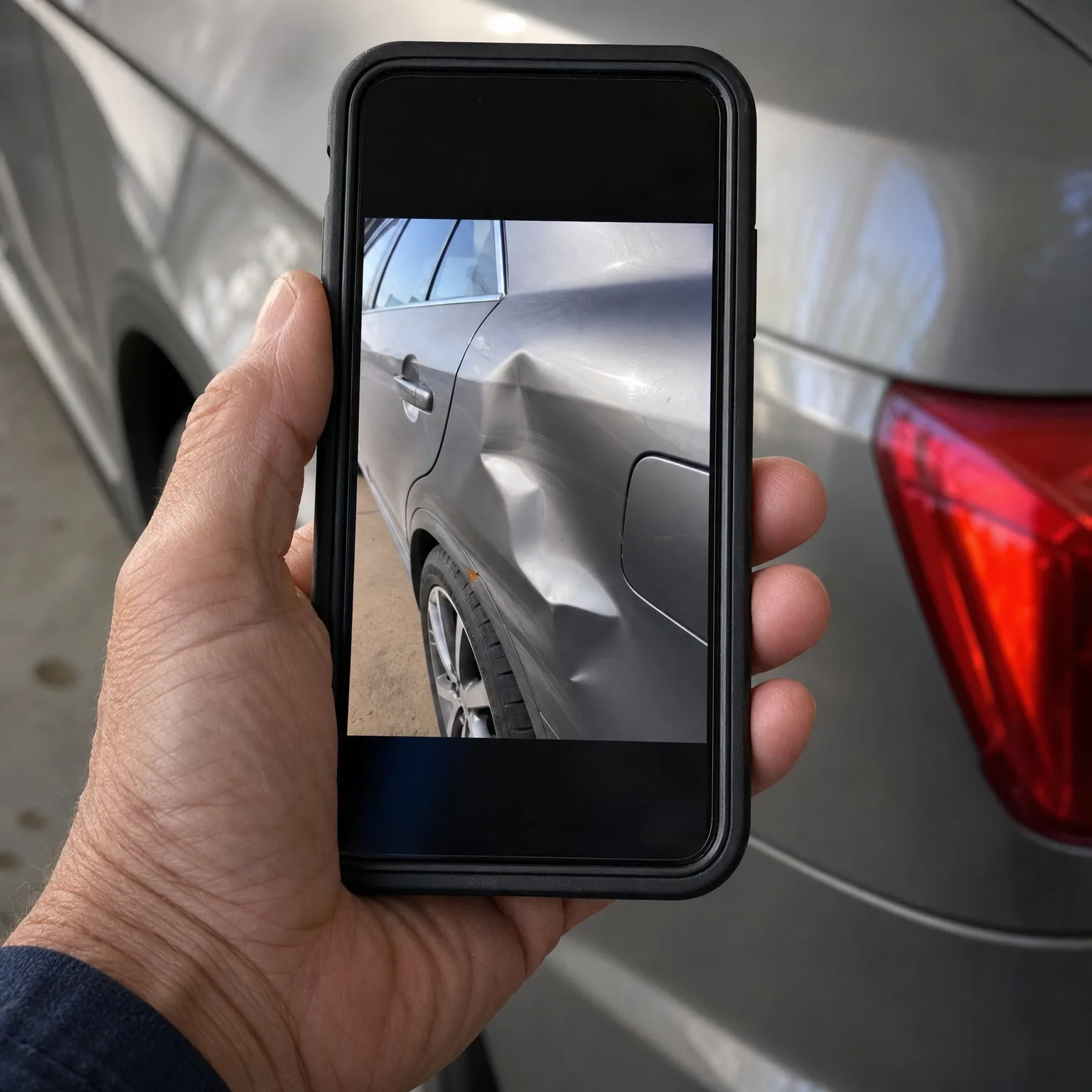
Can I Negotiate a Total Loss Settlement
You can challenge the insurer's number, but you need your own evidence to move it.
Yes, the payout is negotiable
A total loss settlement is the insurer's opening offer, not a final number. It's based on what their software says similar cars sold for in your area, and that figure is often low. You're allowed to push back on it.
To negotiate successfully, you need your own comparables. Find listings for the same make, model, year, mileage, and condition near you, and bring those to the adjuster. The strength of your case depends on how well you can show their valuation missed something, a maintenance record, low mileage, new tires, options the car had that theirs didn't account for.
Your evidence decides how far you can move the number
The adjuster's valuation report will list the comparable vehicles they used. Ask for it. If those comparables are higher mileage, a lower trim, or further from your area than they should be, that's your opening.
Gather three or four listings yourself for the same vehicle in similar or better condition. Dealer listings tend to carry more weight than private party ones, since they reflect what someone would actually pay to drive it off a lot.
If your car had recent work done, new brakes, a transmission replaced, tires bought months ago, bring the receipts. None of that shows up in a standard valuation, and it's the kind of detail that justifies a number above their first offer.
A documented case moves an adjuster. A phone call saying the offer feels low usually doesn't.
What most people get wrong about the process
Many drivers accept the first offer because they think the number is fixed once the car is declared a total loss. It isn't. The declaration just means repair costs exceed the threshold the insurer uses, it says nothing about what the car was worth.
Others wait too long to respond, and the claim moves toward closing while they're still deciding whether to push back. Once you get the valuation report, review it within a few days and put your counteroffer in writing with your comparables attached.
It also helps to know what you still owe if you're financing or leasing the car. If the settlement comes in under your loan balance, that gap matters for the negotiation and for whether you need gap coverage going forward.
If the insurer won't move and you believe their number is wrong, ask about their formal appraisal process. Most policies have one, and your state's insurance department can tell you what options exist beyond that.
Questions people ask about this
How do I find comparable vehicles for a total loss claim?
Look at listings for the same year, make, model, and trim within a reasonable distance of your home, focusing on similar mileage and condition. Dealer listings are usually taken more seriously than private sales. Save the listings as screenshots or PDFs with the date, since prices change and you want a record of what you saw.
What is diminished value and can I claim it separately?
Diminished value applies when your car was repaired after an accident rather than totaled, and it refers to the drop in resale value from having an accident on its history. It's a different claim than a total loss settlement. Whether you can pursue it depends on your state and whether the other driver was at fault, so ask your insurer or a local agent how it applies to your situation.
Can I keep my totaled car instead of accepting the payout?
Often yes, through what insurers call a salvage retention or owner retained option, where the settlement is reduced by the car's salvage value. Whether this is allowed and how the salvage value is calculated depends on your insurer and your state's title rules. Ask the adjuster directly if this option exists before you accept any settlement.
How long does a total loss settlement take to get paid?
It depends on how quickly you and the insurer agree on the value and how your state handles the paperwork for your car's title. Once you accept the offer, payment typically follows once you've signed the title over, if you own the car outright, or once the lienholder is paid off, if you're still financing it. Ask your adjuster for a specific timeline once you've reached an agreement.
Does gap insurance help if the settlement is lower than my loan balance?
Yes, if you have it. Gap insurance covers the difference between what you owe on the loan or lease and what the insurer's settlement pays out, which matters most on newer cars that depreciate faster than the loan is paid down. Check your policy or ask your lender whether gap coverage was included when you financed the car.
If a total loss claim has you thinking about what your next policy should cover, compare quotes before you commit to one.
Ask your adjuster for a copy of the valuation report before you respond to any offer. Spend an evening pulling together three or four comparable listings for your exact car, and gather any maintenance receipts that show work beyond routine upkeep. Put your counteroffer in writing and reference the specific comparables you found. If you're still financing the car, check your loan balance against the offer so you know whether gap coverage applies. If the insurer won't budge and you think the number is still wrong, ask them directly about their appraisal process and contact your state's insurance department for what other options you have.