What Is Lease Wear and Tear
Lease wear and tear is the damage beyond normal use that the leasing company can charge you for when you turn in the car.
It's the line between normal use and damage you pay for
Every lease sets a standard for what counts as normal wear. Small scuffs on the bumper, minor fading on the carpet, a worn key fob. Things that happen just from driving and using the car over the lease term. Normal wear doesn't cost you anything at turn-in.
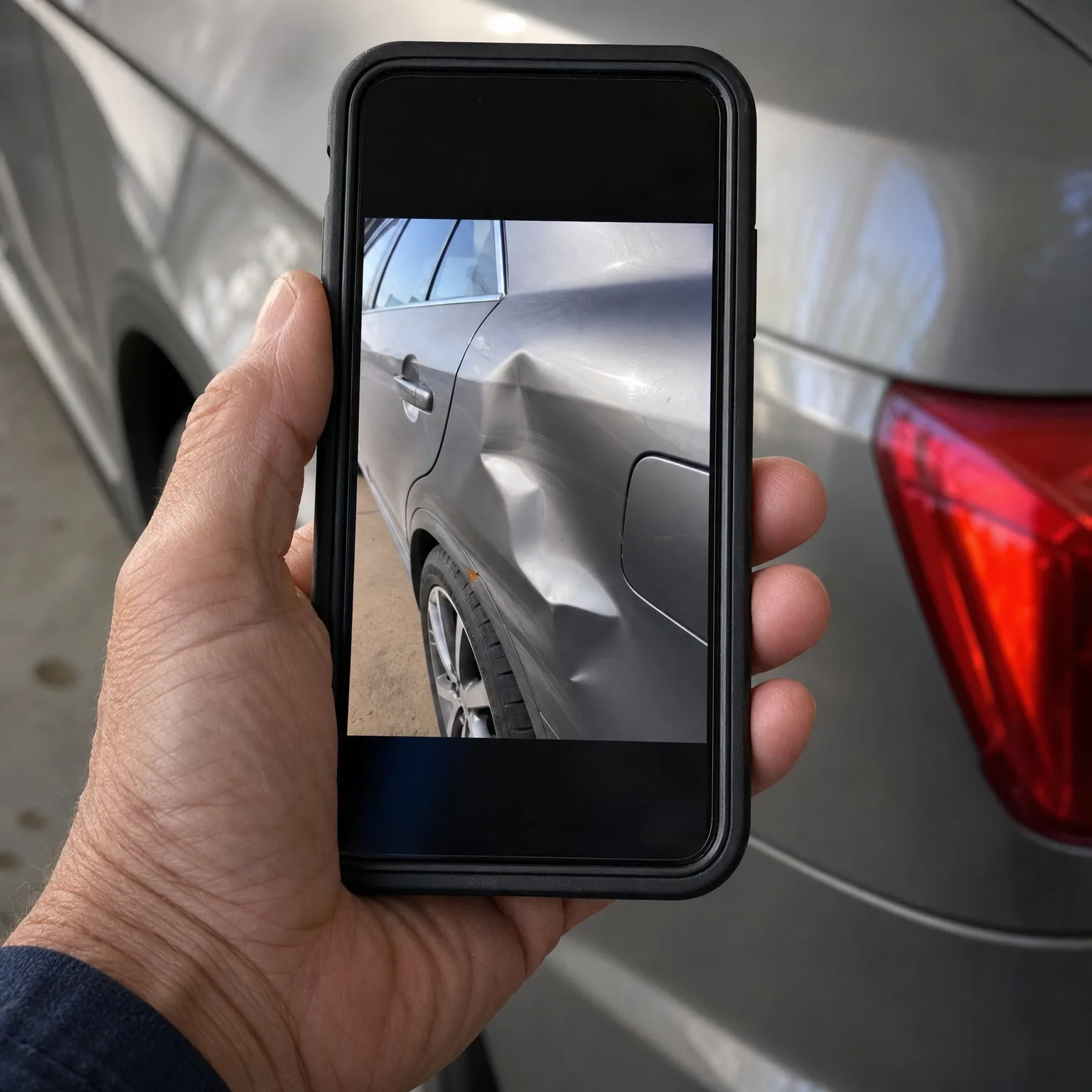
Anything past that line gets charged to you when you return the car. A cracked windshield, a dented door, stains or tears in the upholstery, tires worn below a certain tread depth. The leasing company inspects the car at the end and bills you for whatever falls outside their definition of normal.
The leasing company sets the standard, not you
Each leasing company writes its own wear and tear guidelines, usually included in your lease agreement. What one company calls acceptable, another might charge for. This is worth reading before you sign, not after you've already put miles on the car.
The guidelines usually cover specific things: how many scratches per panel are acceptable, what size of dent is normal, how much tire tread needs to remain. If you don't have a copy of these standards, ask your leasing company for one. It's the only way to know what you're actually being measured against.
Some leasing companies offer a pre-return inspection months before your lease ends. This lets you see what they'd flag and fix cheaper things yourself, like a small scratch, rather than paying their repair markup at turn-in.
What actually shows up on the bill
Tires are one of the most common charges. Leases often require tread to meet a minimum depth, and replacing a full set of tires yourself before turn-in is almost always cheaper than letting the leasing company do it.
Interior stains, cigarette odor, and pet damage are treated differently than surface wear. These usually count as damage, not normal use, because they're considered avoidable.
Dents, windshield chips, and bumper damage get judged by size. A small ding might pass as normal wear. Anything large enough to need bodywork usually doesn't.
Aftermarket changes count too. If you added a hitch, tinted the windows, or swapped the stereo, you're expected to return the car to its original condition unless your lease says otherwise.
Questions people ask about this
Does my car insurance cover lease wear and tear charges?
No, standard car insurance doesn't cover these charges. Insurance pays for accidents, theft, and covered damage events, not for the condition of the car at lease end. Wear and tear charges are a separate cost between you and the leasing company.
Can I negotiate a wear and tear charge after turn-in?
Sometimes, but it depends on the leasing company and how the charge was documented. Ask for photos and an itemized list of what they're charging for. If something was already noted as pre-existing damage at lease signing, point that out.
Is it worth buying a lease wear and tear protection plan?
It depends on how you expect to use the car and what the plan actually covers. These plans typically cap your exposure to certain kinds of damage in exchange for a fee, so whether it pays off depends on your driving habits and how carefully you maintain the car. Read what's excluded before deciding.
What happens if I don't pay a wear and tear bill?
Unpaid charges can go to collections and may affect your ability to lease from that company again. Some leasing companies also report unpaid balances to credit bureaus. Check your lease agreement for how they handle nonpayment.
Should I get an independent inspection before returning a leased car?
It can help if you're unsure whether something counts as normal wear. An independent inspector or body shop can give you an honest estimate of what might get flagged, so you can compare it against what the leasing company says at turn-in.
If you're weighing whether to lease again or buy next time, it helps to see what insuring each option would actually cost you.
Pull out your lease agreement and find the wear and tear section before you do anything else. Call your leasing company and ask for their written wear and tear standards if the lease doesn't spell them out clearly. If your lease end date is coming up, ask about a pre-return inspection so you have time to fix cheaper issues yourself. Take your own photos of the car now, dated and timestamped, in case there's a dispute later. If tires or a windshield are questionable, get a quote to replace them yourself and compare it to what the leasing company would likely charge.