
What Happens if You Crash a Financed Car With Insurance
Your insurer pays to repair or replace the car, but if it's totaled you may still owe the lender the difference between the payout and the loan balance.
Your insurer pays the claim, but the lender gets paid first
If you have full coverage, the crash is handled like any other claim. Your insurer pays to repair the car, or if it's totaled, pays out its value. The lender is listed on your policy as a loss payee, so any payout for a total loss goes to them first, up to what you still owe on the loan.
If the payout covers the loan balance, the leftover comes to you. If it doesn't, you owe the lender the difference, unless you have gap coverage. This is the part that catches people off guard. The car can be a total loss while the loan is still very much not paid off.

Whether you have gap coverage changes everything
A car loses value faster than most loans get paid down, especially in the first couple of years. That gap between what you owe and what the car is worth is exactly what gap insurance covers. Without it, you're responsible for the shortfall yourself.
Some loans require gap coverage, some don't, and some dealers bundle it into the financing without clearly explaining it. Check your loan paperwork or your policy declarations page to see if you already have it.
If you don't, and your car is still worth a lot less than you owe, it may be worth adding before anything happens, not after. Your insurer or agent can tell you what it costs and whether your policy allows it.
If you do have it, the claims process still goes through your regular insurer first. Gap coverage pays the leftover balance, it doesn't replace the main claim.
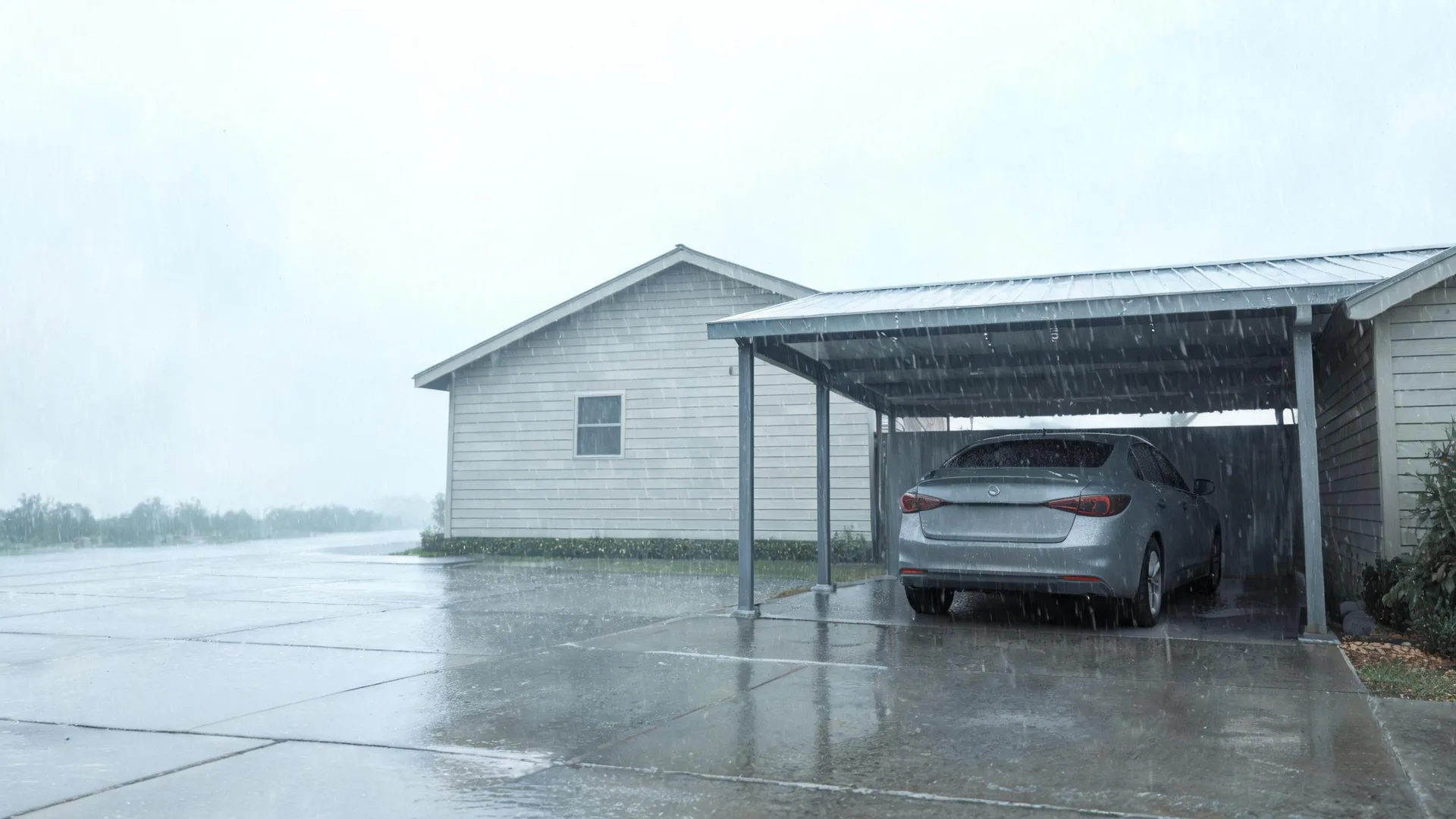
The type of coverage you carry decides what gets paid at all
If the crash was your fault, or the other driver can't be identified, collision coverage is what pays to fix or replace your car. Liability coverage only pays for damage you cause to others, not your own car.
Most lenders require you to carry collision and comprehensive coverage for as long as the car is financed. That's written into the loan agreement, not into your insurance policy, so check your loan terms if you're unsure what's required.
If the other driver caused the crash and has insurance, their liability coverage should pay for your car instead, and your own collision coverage may not come into play unless their insurer is slow or disputes fault.
Questions people ask about this
Does my insurance go up after a crash in a financed car?
That depends on fault and on your insurer's own rules, the fact that the car is financed doesn't change it. A crash where you're found at fault is more likely to affect your rate than one where the other driver was responsible. Ask your insurer how they handle claims where fault is still being determined.
Can I keep driving the financed car after the accident?
If the car is drivable and passes any required inspection, yes. If it's declared a total loss, the insurance payout settles the claim and the car typically goes to the insurer's salvage process, so you won't be driving that car again. Check with your insurer about timing if you need a replacement vehicle in the meantime.
What happens to my loan if the car is declared a total loss?
The insurance payout goes toward what you owe the lender first. If it doesn't cover the full balance, you still owe the remainder unless gap coverage pays it. Contact your lender directly to confirm your exact payoff amount, since that number changes daily with interest.
Who do I call first, my insurer or my lender?
Your insurer, since they handle the claim and need to know about the accident quickly. Many loan agreements also require you to notify the lender after an accident, so check your loan paperwork for that requirement and call them as a next step.
Will my insurer total my car even if it still runs?
An insurer decides this based on repair cost compared to the car's value, not on whether it still drives. If repairs cost more than a certain share of the car's value, insurers generally total it rather than pay for repairs. The exact threshold is set by the insurer and sometimes by state rule, so ask your adjuster how they're making the call.
If this is pushing you to look at your coverage, it's worth seeing what gap and collision coverage cost from a few different insurers.
Pull out your loan statement and your policy declarations page this week. Confirm what you currently owe on the car and what coverage you're carrying, specifically whether you have collision coverage and gap coverage. If you're not sure, call your insurer and ask them directly how a total loss claim would be paid out and in what order. If there's a real gap between the loan balance and the car's value, ask what adding gap coverage would cost before you need it. If you've already been in an accident, contact your insurer first to start the claim, then call your lender to confirm your current payoff amount.