Is Gap Insurance Worth It on a New Car
Gap insurance is worth it if you owe more on the car than it's worth, and not worth paying for once you don't.
It depends on what you owe versus what the car is worth
Gap insurance pays the difference between what your car is worth and what you still owe on it, if the car is stolen or totaled. It's worth having when that gap is real. A small down payment, a long loan, or rolling over debt from a previous car loan all make the gap bigger.
If you put a lot down, or you're paying the loan off quickly, you may never owe more than the car is worth. In that case the coverage has nothing to protect. Check your loan balance against your car's value now, and again in a year, since the answer can change as you pay down the loan.
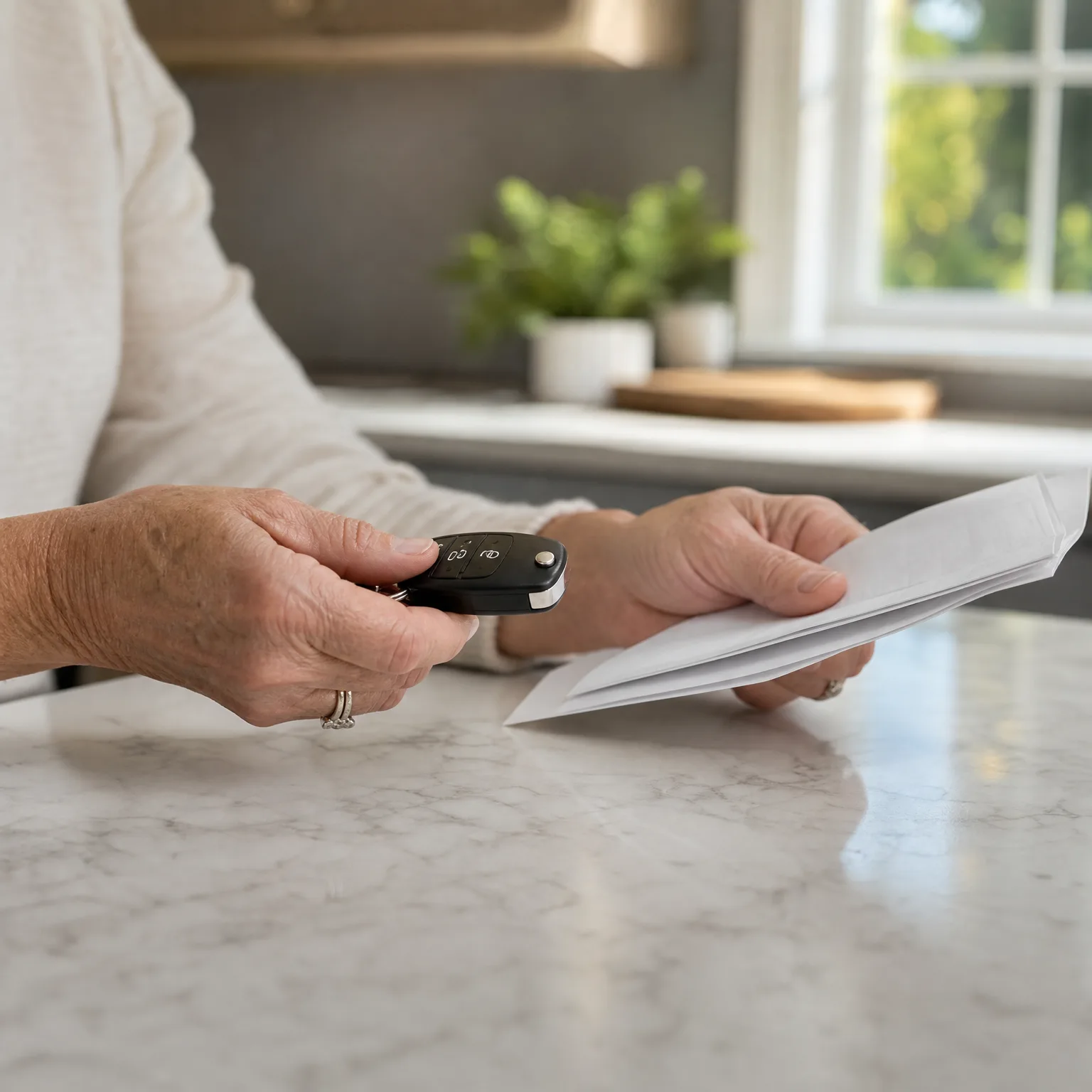
How you financed the car
The size of your down payment is the first thing to look at. A small down payment means you start out owing close to the full price of the car, sometimes more once taxes and fees are rolled in. That's exactly the situation gap insurance is for.
A long loan term works against you the same way. The longer you take to pay it off, the longer you owe more than the car is worth, because new cars lose value fast in the first few years while your loan balance comes down slowly.
If you traded in a car you still owed money on and rolled that balance into the new loan, your gap is bigger than it looks. Ask your lender for your current loan balance and compare it to what your car would sell for today. That comparison tells you more than any rule of thumb.
Whether you already have it somewhere else
Some new car purchases include gap coverage already, built into the financing or offered by the dealer. Check your loan paperwork before you buy another policy, since paying for the same protection twice doesn't help you.
Some auto insurers offer gap coverage as an add on to your regular policy, often for less than what a dealer charges for the same thing. It's worth asking your insurer directly whether they offer it and what it costs compared to the dealer's version.
A few credit unions and lenders include a form of gap protection with certain loans. If you financed through one, ask them directly rather than assuming you need to buy it separately.
Questions people ask about this
Does gap insurance cover my deductible too?
Usually not, unless the policy specifically says so. Gap insurance typically covers the difference between your loan balance and the car's value, not your comprehensive or collision deductible. Ask your insurer whether deductible coverage is included or sold separately.
Can I cancel gap insurance once I don't need it anymore?
In most cases yes, since it's tied to your loan balance rather than a fixed term. Once your loan balance drops below the car's value, the coverage has nothing left to pay out. Ask your insurer or lender how to cancel and whether you get a refund for the unused portion.
Is gap insurance the same thing as new car replacement coverage?
No, they solve different problems. Gap insurance pays off your loan balance if the car is totaled. New car replacement coverage pays to replace your totaled car with a new one of the same make and model, which can be a larger payout. Ask your insurer which one you're being offered before you buy either.
Do I need gap insurance if I leased instead of financed?
Most leases already require gap coverage, often built into the lease payment. Check your lease agreement for this before buying a separate policy. If it's not included, ask the leasing company directly rather than assuming.
Will my insurer automatically add gap insurance to my policy?
No, you have to ask for it and add it yourself. It's not part of standard liability, collision, or comprehensive coverage. Call your insurer and ask specifically whether they offer gap coverage and what it would add to your premium.
See what adding gap coverage would actually cost before you decide you need it.
Pull your loan paperwork and find your current balance, then look up what your car is worth right now using a site like your lender or insurer trusts for valuations. If the balance is higher than the value, call your insurer and ask whether they offer gap coverage and what it costs. Also check your original loan or lease documents, since the coverage may already be included. Compare that cost against what a dealer quoted you, since dealer gap insurance is often priced higher for the same protection. Do this soon after buying the car, since the gap is largest in the first year or two.