Is Gap Insurance Required on a Lease
Most leasing companies require it, but the requirement comes from the lease contract, not from any state or federal law.
It depends on your lease, not on any law
No state requires gap insurance. If you have it, it's because your leasing company requires it as a condition of the lease, and most of them do.
Check your lease agreement itself. It will either say gap coverage is required for the term of the lease, or it will stay silent on the subject, in which case you aren't obligated to carry it. Some leasing companies build gap coverage into the monthly payment automatically, so you may already have it without having bought it separately.
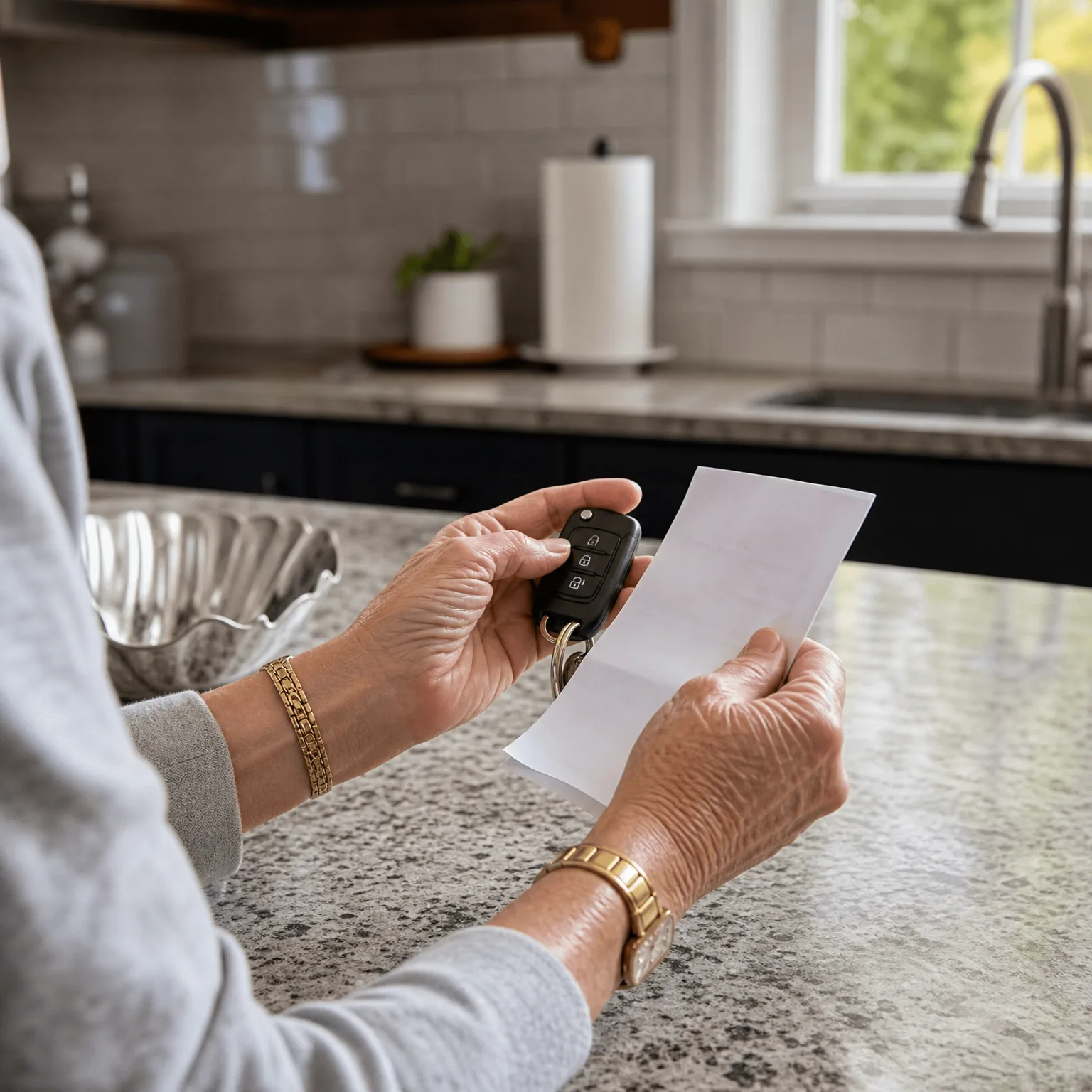
What your lease contract actually says
Read the section on insurance requirements. Leasing companies that require gap coverage usually state it plainly, alongside requirements for liability limits and comprehensive and collision coverage.
If the lease requires gap coverage and you let it lapse, you're in breach of the contract even if nothing happens to the car. The leasing company can find out through your insurer or at your next renewal, since many require proof of coverage.
If you're not sure what your copy of the lease says, ask the leasing company directly. They can tell you whether gap coverage is a condition of the lease and for how long you need to carry it.
Why it matters even when it isn't required
A leased car depreciates the same way an owned one does. If it's stolen or totaled, your regular insurer pays out its market value at the time of the loss, not what you still owe the leasing company.
Early in a lease, that gap can be large, since the car has dropped in value faster than you've paid down what you owe. Without gap coverage, you'd owe the leasing company the difference out of pocket, on a car you no longer have.
This is why most leasing companies require it rather than leave it optional. Even if yours doesn't, it's worth asking your insurer what gap coverage would cost to add, and weighing that against what you'd owe if the car were totaled tomorrow.
Questions people ask about this
Does gap insurance come with the lease or do I buy it separately?
It depends on the leasing company. Some build gap coverage into your monthly lease payment automatically. Others require you to buy it yourself, either through your own insurer or through a standalone gap policy. Check your lease paperwork or ask the leasing company which applies to you.
Can I cancel gap insurance partway through a lease?
Only if your lease doesn't require it, or if the leasing company's requirement has a time limit that's passed. If the lease requires continuous gap coverage, canceling early puts you in breach of contract even if the leasing company doesn't notice right away.
Is gap insurance different for a lease than for a loan?
The coverage itself works the same way for both. The difference is who requires it. Leasing companies almost always require gap coverage as a lease condition. Lenders on a car loan sometimes require it too, but it's less universal and depends on the lender.
What happens if I total a leased car without gap insurance?
Your regular insurer pays the car's market value at the time of the loss. If that amount is less than what you still owe on the lease, you're responsible for paying the leasing company the difference yourself.
Will my insurer tell me if my lease requires gap coverage?
No. Your insurer only knows what coverage you've asked them to add. Whether your lease requires gap coverage is a question for the leasing company or your lease contract, not your insurance company.
If you're not sure whether your lease requires gap coverage, compare quotes so you know what adding it would cost either way.
Pull out your lease agreement and look at the section on required insurance coverage. If it mentions gap coverage, note whether it's included in your payment or something you need to arrange yourself. If you can't find it in writing, call the leasing company and ask them directly, since this is their requirement to clarify, not your insurer's. Once you know what's required, ask your current insurer what adding or confirming gap coverage would cost, and compare that against what you'd still owe if the car were totaled today. Keep a copy of whatever the leasing company tells you, in case the question comes up again at renewal.