How Does Gap Insurance Work Through a Dealership
A dealership adds gap coverage to your loan and bills you for it all at once, but your own insurer can sell you the same protection as a line on your policy.
The dealership sells you gap coverage as part of the loan paperwork
When you buy gap insurance at the dealership, it gets added to your financing. The cost gets rolled into the loan itself, so you're paying interest on it along with the car. The dealership isn't the insurer. They're selling a policy written by a third party and marking it up for handling the sale.
The coverage works the same no matter who sells it. If the car is totaled or stolen and what you owe on the loan is more than the car's insured value, gap coverage pays the difference. What changes based on where you buy it is the price, and how easy it is to cancel or compare.
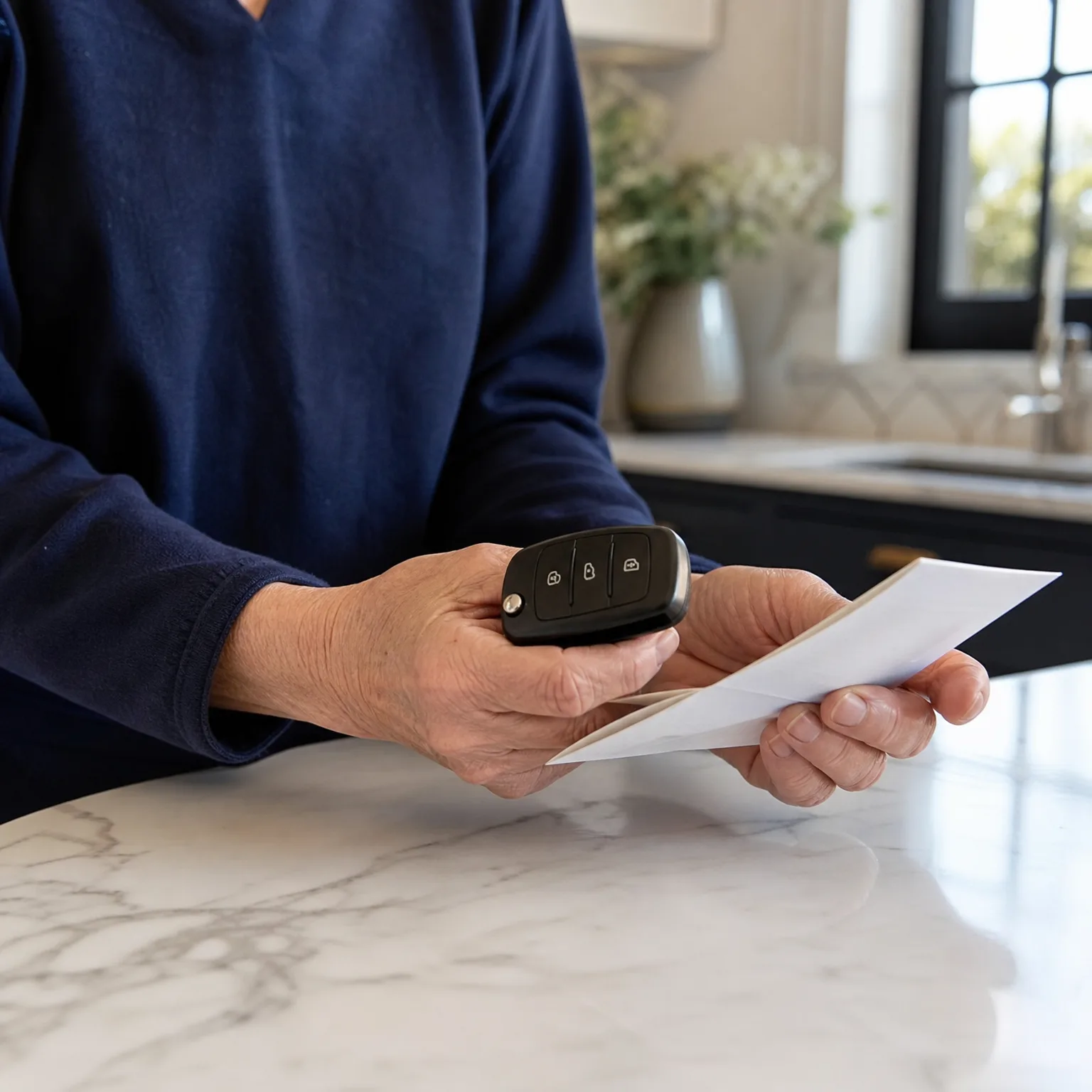
Your own insurer can likely sell you the same coverage for less
Most auto insurers offer gap coverage, sometimes called loan or lease payoff coverage, as an add on to your regular policy. Ask your insurer directly whether they offer it before you sign anything at the dealership.
Because it's billed with your premium instead of financed through the loan, you're not paying interest on it over the life of the loan. That alone usually makes it cheaper over time than the dealership's version, even if the stated cost looks similar.
If you already have gap coverage through the dealership and want to switch, ask your insurer if they'll add it and ask the dealership or lender how to cancel the one tied to your loan. Some will refund the unused portion.
Check whether your state or your lender requires gap coverage at all. Some loans require it only above a certain loan to value ratio, and some states cap how dealerships can price it.
What people get wrong about dealership gap insurance
A lot of buyers assume gap coverage is required whenever you finance a car. It isn't required by law. A lender may require it as a condition of the loan, but that's the lender's rule, not a state rule, and it varies by lender.
Another common mistake is assuming the dealership's price is fixed. It's often negotiable, the same way the car's price is. Ask what the coverage costs as a standalone line item, separate from the rest of the financing, before you agree to it.
People also forget that gap coverage tied to the loan usually ends when the loan is paid off or refinanced. If you refinance or pay off the loan early, check whether the coverage is still active and whether you're owed a refund for the unused portion.
Questions people ask about this
Do I still need gap insurance if I have full coverage?
Full coverage pays out the car's actual cash value, not what you owe, so if your loan balance is higher than that value, you'd still owe the difference without gap coverage. Whether you need it depends on your loan balance versus the car's value, which changes over time.
Can I cancel dealership gap insurance after buying the car?
Usually yes, but the process depends on whether it was sold as an insurance policy or added into the loan contract itself. Contact the dealership or the gap provider named in your paperwork and ask about cancellation and any refund for the unused term.
Does gap insurance cover a leased car the same way?
Leases often include gap coverage automatically or require it, so check your lease agreement before buying a separate policy. If it's not included, the same comparison applies: ask your insurer whether they can add it instead of buying it through the leasing company.
How long does gap insurance last on a car loan?
It typically lasts as long as you owe more on the loan than the car is worth, which is usually the early years of a loan. Once your loan balance drops below the car's value, the coverage has nothing left to pay for and is worth dropping.
Will my insurance premium go up if I add gap coverage?
Adding gap coverage to your policy adds its own cost, but it doesn't affect your rates for other coverages the way a claim or a violation would. Ask your insurer for the exact added cost before deciding, since it varies by insurer and by vehicle.
See what your own insurer would charge for the same coverage before you accept the dealership's price.

Before you sign the dealership's gap addendum, call your current auto insurer and ask if they offer loan or lease payoff coverage and what it would cost added to your policy. Have your loan balance and the car's purchase price handy, since that's what determines whether you need it at all. If you've already bought gap coverage through the dealership, find the paperwork and check who actually underwrites it and what the cancellation terms are. Ask the dealership or lender directly how to cancel and whether you'd get a refund for the unused portion. Compare that refund against what your insurer would charge going forward before you decide to switch.